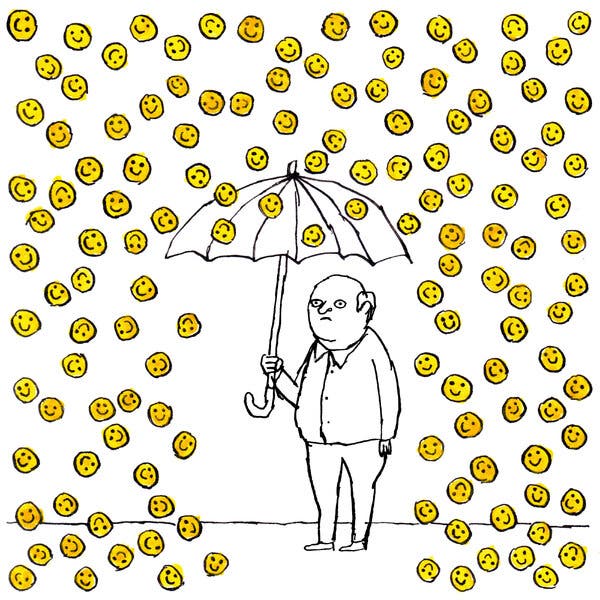
As Labor Day arrives, many find themselves longing for the serene beaches and calming forests that allowed them to unwind. These natural retreats, often recommended by therapists and yoga instructors, offer a sense of peace and contentment.
However, concentrating solely on these pleasures as the essence of happiness might need reevaluation. Many believe that life’s goal is to toil, achieve success, and then enjoy leisurely comforts indefinitely. This belief is embodied in the idea of aimless sailing, indulging in fine cuisine in the South of France, or hopping from one festival to another. Such activities are often equated with happiness, supported by the thoughts of many intellectuals.
Jeremy Bentham, the utilitarian philosopher, argued for seeking continuous pleasure and sidestepping pain. Oscar Wilde, known for his indulgent lifestyle, expressed no regrets for living a life devoted to pleasure, believing he experienced life’s richness fully.
Yet, some suggest cautious engagement with such happiness. The German philosopher Arthur Schopenhauer posited that humans face two primary adversaries: pain and boredom. We use intellect to shield ourselves from pain, but once it’s avoided, the mind seeks new pursuits, possibly leading us into folly. According to Schopenhauer, constant mental activity demands fresh objectives and distractions, potentially causing trouble.
He observed that amidst boredom, people turn to temporary reliefs like parties, gambling, travel, and more. These solutions offer short-term respite, leading to recurring feelings of ennui. The relentless quest for new stimuli illustrates the challenge of finding a lasting balance between contentment and the desire for novelty.
 Communication Issues Over Meal Planning and Grocery Shopping
  Concerns Over Political Influence in Academia
  Dedicated Educator Stays On to Support Growing Program in Rural Missouri
  College Podcast Challenge: A Catalyst for Change
  NPR College Podcast Challenge Returns for Another Year
  Cristo Rey Jesuit High School’s Unique Approach to Education