
Last week, House Democratic Leader Hakeem Jeffries faced a protest during his conversation at the What’s Next conference in Denver. This occurred just ten days after the Democrats secured majorities in both the House and the Senate. The event’s focus was on plans surrounding these new majorities, but it was disrupted by a young woman’s expression of fear for her future. She pressed for answers on the Green New Deal and Medicare for All.
During Jeffries’ response to a healthcare query, a protester labeled him a liar, a traitor, and an oligarch. The individual continued to shout accusations as security escorted him away, and another claimed Jeffries prioritized private equity over public interest.
On Wednesday, Jeffries was overwhelmingly nominated as speaker by House Democrats, with a 251 to 11 vote, facing no opposition. Despite the Denver incident, attention lingered on the potential impact such division could have on the future, particularly the 2028 elections.
The narrative is not about defending Jeffries. Rather, it’s about the importance of meaningful protest. Holding leaders accountable, like the young woman did, reflects genuine concern shared by many voters. However, simply condemning Jeffries as a traitor blurs the lines between confrontation and courage.
“Our Constitution defines treason as levying war against the United States or aiding its enemies.”
Evidence-free allegations do little to advance productive discourse and primarily serve to cause embarrassment.
Witnessing true courage can be seen in figures like Jessica Tarlov, who regularly defends Democratic values on platforms against opposing views, despite challenges and critique from figures as high as the president.
This year marked significant Democratic achievements. Gaining control of governorships and Congress was due to a coalition of progressives, moderates, and independents voting together.
The upcoming open Democratic primary in 2028 will be competitive. If the trend leans towards loud denunciations within the party, it risks fracturing unity before general elections even commence. This atmosphere plays into Republican hands, providing them with material to damage Democratic coherence.
True accountability doesn’t require labels like ‘traitor.’ Change occurs through organized campaigns, co-sponsorship, and primary challenges. Jeffries’ commitments include reversing Medicaid cuts, extending the Affordable Care Act tax credits, and banning congressional stock trading.
While eleven Democrats opposed Jeffries, some members have indicated progress on key issues such as Medicare for All and campaign finance. Effective leadership accountability occurs through constructive dialogue.
Political movements faltering into internal conflict detract from addressing authoritarianism’s root causes. The potential for a legislative agenda focused on the vulnerable should redirect our collective energy.
January brings Democrats committee gavels and subpoena power, providing opportunities for impactful governance. Utilizing these tools to address systemic issues should be prioritized over internal discord.
Disagreement should not transform fellow party members into enemies. Building a coalition larger than those who agree on every issue is essential for long-term success. Democrats have demonstrated this by winning Congress, aligning behind leadership, and must continue focusing on deliverables. Otherwise, Republicans might reclaim power in 2028.
Emily Suttle-Braun is founder and CEO of Mend Political. These views are her own.
 Amy Klobuchar Takes On Governorship with Promises for Minnesota’s Growth
 Understanding ‘I’ Statements in Communication
 Tragic Incident at Cincinnati Zoo Sparks Controversy
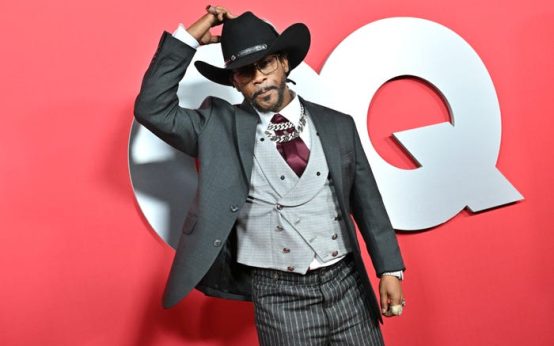 Katt Williams Shares Key to Success: Embracing Rejection
 A Day in the Life: Insights and Commentary from Joe Kinsey
 Exploring Asian American Contributions Amid Corporate Scandals