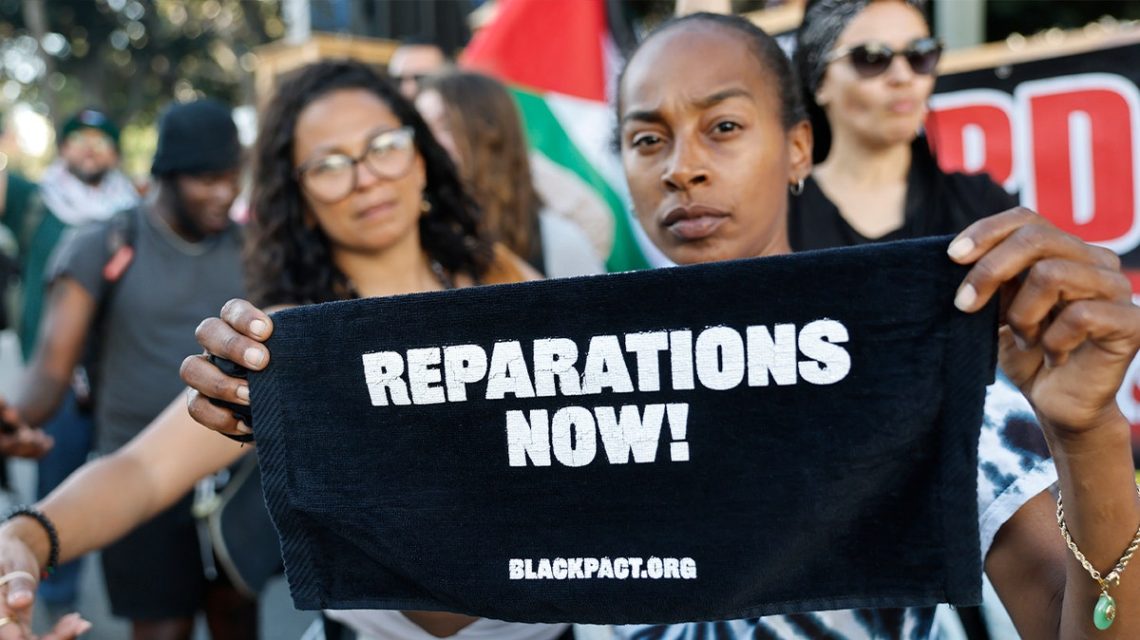
A reparations activist from the grassroots organization, the U.S. Freedmen Project, stated that their group does not expect financial compensation from New York state officials following the delay of a prominent study on historic remedies. The decision to delay the study has drawn attention and criticism.
The mainstream reparations movement seems designed to exhaust those owed a debt until they give up,
said Devine Prince, President of the U.S. Freedmen Project, expressing skepticism about the process. He questioned the pursuit of race-based policies within a system featuring the 14th Amendment, which opposes such policies.
The U.S. Freedmen Project educates the public on the differences between African Americans who directly descend from enslaved people in the U.S. and recent voluntary immigrants from Africa or the Caribbean.
New York Reparations Commission Faces Delays
The delay in a report from New York’s reparations commission has drawn criticism, especially after the commission faced an extended timeline. Originally due in 2025, the final report deadline was pushed to 2029. Chantelle Williams from the NYCLU criticized this delay, highlighting ongoing discrimination’s harms and the challenges Black New Yorkers face.
Delays are more than bureaucratic inconveniences. They represent a disservice to those who have suffered from inequality,
Williams emphasized.
Commission’s Task and Challenges
The nine-member state commission was established to investigate New York’s historical connections to slavery and racial discrimination. They are responsible for delivering recommendations on possible state-level financial compensation and policy changes.
The commission concluded statewide public hearings, ending with a forum in Harlem about closing the racial wealth gap. Despite this, lawmakers moved the deadline due to changes in the national legal landscape. Michaelle C. Solages, an assemblymember, acknowledged these adjustments, noting challenges facing diversity and race-conscious policies.
Freedmen Project’s Stance on Reparations
The U.S. Freedmen Project advocates for reparations strictly for descendants of U.S. enslaved individuals rather than broadly defined racial categories. They criticize larger groups like the NYCLU for not recognizing the specific historical claims of these descendants.
Prince, from the Freedmen Project, argued that some commission members aim to maintain the status quo, rather than working for substantial change. True repair means aiding those truly harmed, not expanding categories without merit,
he argued.
Freedmen Project supporters suggest that any reparations program must adhere to lineage-based criteria to avoid violating the U.S. Constitution’s Equal Protection Clause.
Wider Context and Future Expectations
New York’s efforts are part of a larger trend where states and cities explore local reparative measures. Evanston, Illinois, offers an example with its distribution of $25,000 housing grants to eligible Black residents.
Despite steps toward reparations, Prince remains skeptical about payments reaching descendants. Realistically, I expect New York to distance itself further from fulfilling commitments,
he stated.
Requests for comment from New York officials went unanswered.
Joshua Q. Nelson is a reporter with Fox News Digital, covering cultural trends, education, and public policy developments, including reparations.
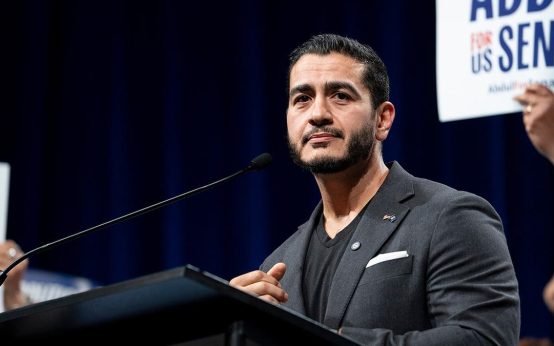 Abdul El-Sayed Open to Debate on Bill Maher’s Show
 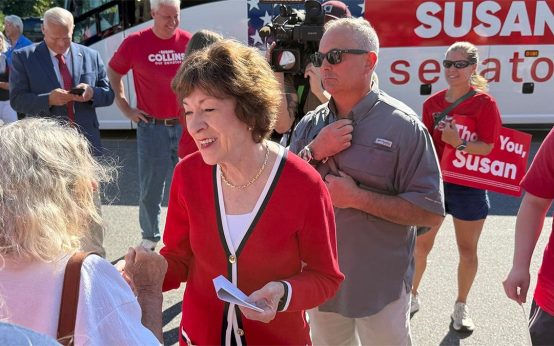 Sen. Collins Stands Firm After Vandalism of Maine Office
  Discussion on Political News with Tamara Keith and Amy Walter
  Trump Administration Reverses Federal Fuel Economy Standards
  Discussion on Political Developments and Election Insights
  Attorney General’s Political Appearances Raise Concerns