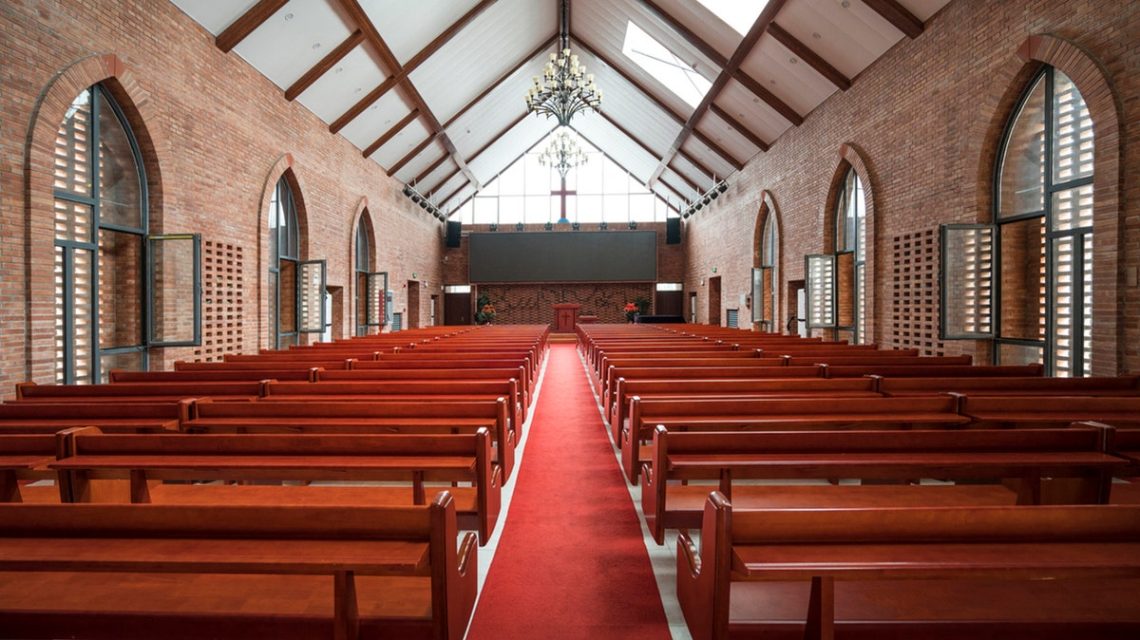
Christian organizations in California are expressing concerns over a new mandate requiring hate speech training in workplaces, citing potential imposition of government-endorsed views on sensitive issues. The legislation, Assembly Bill 1803, signed by Governor Gavin Newsom, will come into effect in 2028. This law requires employers with five or more employees to include anti-hate speech instruction in their harassment training. It addresses workplace speech that targets protected characteristics such as sexual orientation and gender identity.
Concerns from Religious Groups
Christian churches, which hold traditional views on homosexuality based on biblical teachings, are not exempt from these requirements. The California Family Council and several pastors have expressed their worries about potential conflicts between Christian teachings and the new regulations. Greg Burt from CFC noted that the curriculum condemns conservative perspectives.
Dr. Paul Chappell from Lancaster Baptist Church labeled the law as poorly crafted, suggesting that it aims to create a bias against conservative views. Burt and Chappell argue against the law’s implications for defining and regulating speech, emphasizing concerns over religious freedom.
Implications for Employers
The law extends its reach beyond private employers to public school staff and many state-licensed industries. Employers must integrate the new material into existing training programs, with no specific exemption for religious beliefs. Burt warns that this could lead to decisions about disciplining employees based on religious beliefs, potentially leading to legal challenges.
Equality California supports the legislation, arguing that current training fails to adequately protect employees from hostile environments. Despite requests for comments, the organization has not responded.
Resistance from Religious Leaders
Pastor Jack Hibbs from Calvary Chapel Chino Hills criticizes the legislation as an unwarranted intrusion into church affairs. He argues the government is imposing moral authority, traditionally held by the church, through this law. Hibbs claims the government lacks moral authority and sees the bill as unacceptable.
Hibbs fears that the government is attempting to push its moral code onto churches and believes the law will face challenges. Governor Newsom’s office and the California Civil Rights Department have not provided comments on the issue.
 Lessons from the Briefing Room
 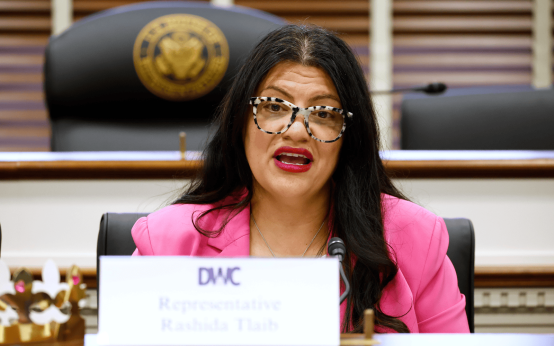 Rashida Tlaib’s Surveillance Bill Targets Federal Funding for License Plate Readers
  Addressing the High Recidivism Rates in the U.S.
  Public Execution and Its Implications
  Joe Manchin Cautions Democrats on Trump Investigations
  Pressure Mounts on Israel Over Settler Violence