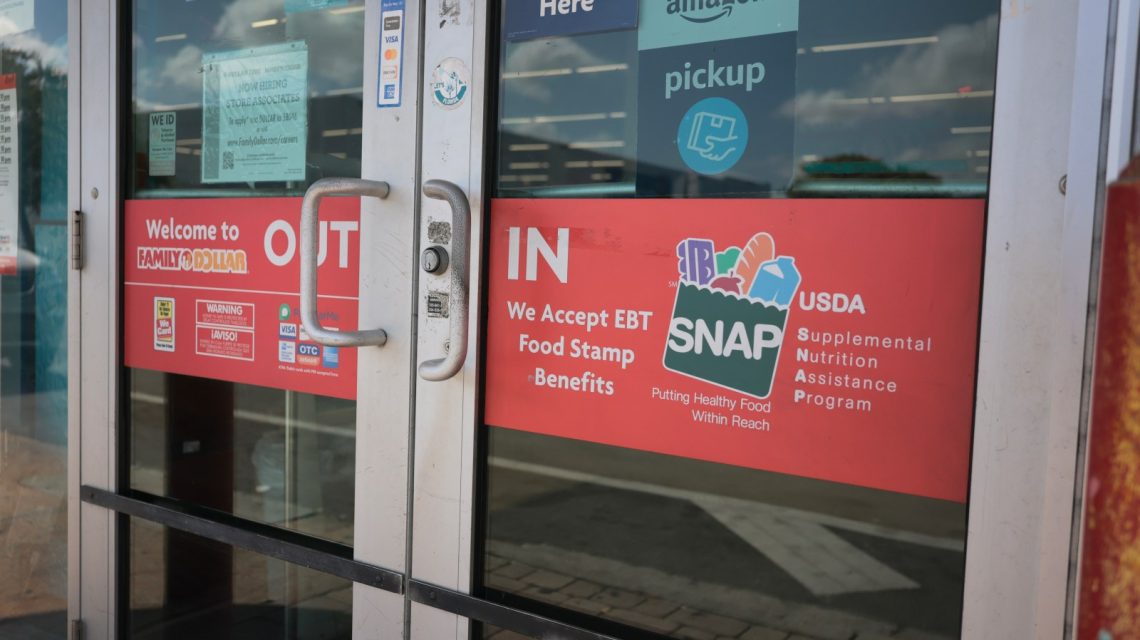
Millions of Americans depending on government safety net programs might experience significant changes soon. New rules from President Donald Trump’s budget law are set to take effect next month, impacting the Supplemental Nutrition Assistance Program (SNAP) and Medicaid.
Impact on SNAP and Medicaid
The proposed reforms aim to enhance accountability and reduce federal spending. However, they could also increase hardships for vulnerable households and shift billions in costs to states. Alex Beene, a financial literacy instructor at the University of Tennessee at Martin, emphasized the changes as a major shift in the financial dynamics between Washington, states, and the beneficiaries of these programs.
“The changes beginning this fall represent one of the more significant shifts in the financial relationship between Washington, the states, and Americans who rely on safety net programs,” Beene said.
Why It Matters
SNAP supports over 40 million people monthly, while Medicaid covers tens of millions of low-income Americans and individuals with disabilities. Starting October 1, new rules outlined in the One Big Beautiful Bill Act will begin, creating financial pressures for states and imposing new eligibility requirements for beneficiaries.
State Financial Responsibilities
Increased Administrative Costs for SNAP
From October 1, the federal share of SNAP administrative costs will drop from 50% to 25%. States will now cover 75% of these program costs, as mandated by the One Big Beautiful Bill. This change impacts costs related to caseworker salaries, fraud prevention, and technology platforms used to process benefits. State officials have raised concerns that this shift might lead to difficult budget decisions. Although benefits themselves are not directly reduced, higher state costs could lead to reduced administrative staff, slowing down enrollment processing.
Cost-Sharing in SNAP
From October 2027, states with payment error rates exceeding federal thresholds will be required to contribute towards SNAP benefit costs for the first time. Currently, the federal government entirely funds these benefits.
Medicaid and Eligibility Changes
On October 1, modifications to Medicaid eligibility will affect many lawful non-citizens. The Centers for Medicare & Medicaid Services (CMS) has issued guidance to limit federal Medicaid funding for full-scope coverage to U.S. citizens, lawful permanent residents, Cuban-Haitian entrants, and citizens of Compact of Free Association nations. Many groups that had federal Medicaid access, like refugees and trafficking survivors, might lose federally funded coverage unless states provide alternatives using state funds. Emergency Medicaid coverage remains available, and existing law allows coverage options for eligible children and pregnant individuals.
Upcoming Work Requirements
The One Big Beautiful Bill introduces work requirements for certain Medicaid recipients. Beginning January 2027, able-bodied adults aged 19 to 64 will need to complete at least 80 hours per month of employment, education, or community service to maintain Medicaid eligibility. The timing may vary based on federal guidance and state implementations.
These new requirements aim to boost workforce participation while maintaining Medicaid for at-risk populations. CMS Administrator Mehmet Oz stated that the rule encourages Americans to build skills and independence through work opportunities.
“This rule helps Americans build skills and independence through work, education, job training, or community service, creating new opportunities for themselves and their families,” Oz said.
Criticism and Concerns
Many express concerns about worsening health outcomes and rising debt levels among struggling Americans. Critics argue that these policies might lead to lost benefits for individuals facing administrative barriers, not due to improved financial situations.
“Supporters see these policies as a way to promote work and shift more responsibility to states, while critics worry the savings will come partly from people losing benefits,” Beene explained.
Feeding America described the One Big Beautiful Bill Act as a significant reduction in SNAP funding, warning about potential budget strains that might limit food assistance.
“The passage of the budget reconciliation bill is a significant setback for people and communities facing barriers to accessing the food and resources they need to thrive,” Claire Babineaux-Fontenot, Feeding America’s CEO, stated.
Looking Ahead
As the SNAP administrative cost changes and Medicaid immigrant eligibility restrictions take effect on October 1, the response from states and communities will determine the real impact on Americans in need.
These changes occur amidst ongoing debates about work requirements, which some argue will promote employment and reduce improper enrollments.
“Many affected beneficiaries already work, and additional reporting requirements could cause eligible people to lose coverage due to administrative hurdles,” Kevin Thompson, CEO of 9i Capital Group, remarked.
 Improving the Transparency of Public Records
  Death of Jim Copenhaver Brings Attention to Butler Rally Security Issues
  Republican Senator Proposes Major Overhaul of U.S. Immigration System
  AI Concerns Emerge Amid High-Level Discussions and Industry Warnings
  Election Details for Illinois Voters: Importance of Participation and Key Information
  Court Rules Against Third-Country Deportation Policy