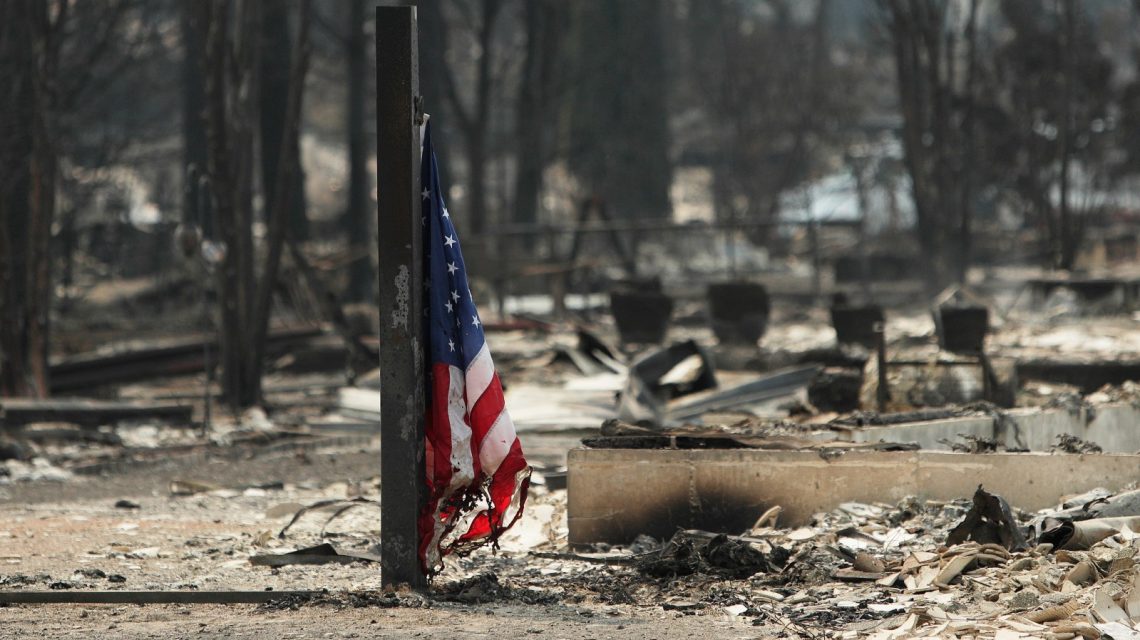
In 2026, wildfires have ravaged over 8.3 million acres across the United States. This marks the most destructive wildfire year in at least a decade, according to the National Interagency Fire Center (NIFC). Firefighters have responded to 53,030 wildfires across the nation amid ongoing large blazes in the West, despite slight improvements in weather conditions.
This surge in fire activity led federal officials to elevate the national preparedness level to its highest during the summer. It was only reduced to Level 4 on September 4 as conditions improved in some areas. However, officials warn that late summer and fall remain perilous due to exceptionally dry vegetation.
Oregon experienced the highest acreage burned with 1,199,105 acres. Washington follows with 398,064 acres. This year’s fires have surpassed previous records. By late August, over 7.7 million acres were already burned, compared to about 4 million acres during the same period in 2025.
“Even with cooler temperatures arriving, the risk of wildfires persists due to extremely dry fuels,” stated NIFC.
Data on the Last 10 Years of Fires
From January 1 to September 5 each year between 2016 and 2026, wildfire statistics fluctuated. 2026 saw the most significant acreage burned, with 8,307,707 acres affected from 53,030 fires. In contrast, 2017 had 7,925,998 acres burned across 47,298 fires. The least impact occurred in 2023 with just 2,096,906 acres burned from 40,444 fires.
Current Large Fires in the U.S.
As of September 5, there were 78 large fires burning nationwide, with 17,812 firefighters and personnel on the ground. The most numerous active large fires were in Washington and Montana, at 13 each, followed by Idaho with 12 and Oregon with 9.
- Big Grass Fire, Oregon: 578,637 acres burned, 94% contained.
- Crosswhite Fire, Oregon: 342,923 acres burned, 92% contained.
- Coleman Creek Fire, Oregon: 308,863 acres burned, 99% contained.
- Little Giant Fire, Washington: 170,784 acres burned, 81% contained.
- Sinlahekin Fire, Washington: 166,106 acres burned, 44% contained.
The Pacific Northwest remains a focal point for wildfire activities, though cooler temperatures and increased moisture are beginning to reduce potential in parts of Washington, Oregon, and Northern California. Yet, officials maintain caution regarding extremely dry fuels and potential fire starts in several regions as the season progresses into its final months.
As Labor Day approached, NIFC released advisories urging travelers to ensure their vehicles are in working order to avoid dragging chains or causing sparks. They also emphasized campfire safety, urging individuals to ensure fires or grills are completely extinguished before leaving them unattended.
 American Public Opinion on Press Freedom
  St. Laurence High School’s Transformative Journey
  Significant Events in Chicago History on September 21
  Presley Gerber Passes Away at 27 in Rehab Facility
  Shooting of DoorDash Delivery Driver by ICE Agent Raises Questions
  Growing Concerns Over Food Safety and National Security