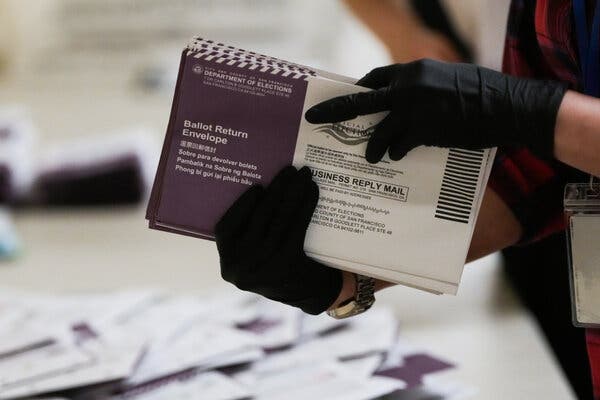
The U.S. Postal Service has proposed a new rule that could significantly impact mail voting in states that do not share their voter rolls with the federal government. This rule, introduced recently, would empower the agency to reject delivering mail ballots without state cooperation.
Democratic leaders and voting-rights advocates argue that the rule represents a federal overreach into state-administered elections. This proposal could influence the voting process for millions who rely on mail-in ballots, a group predominantly composed of Democratic voters.
President Trump’s **claims of unreliability and fraud** associated with mail voting have led more Republicans to vote in person, thereby skewing the demographic of mail voters toward Democrats. Consequently, the proposal could disproportionately affect Democratic ballots.
The rule’s vague wording introduces uncertainty about the federal government’s role in screening mail ballots for voter eligibility. Experts express concern that this involvement could breach constitutional protocols, as states traditionally oversee election processes.
During a recent federal court session in Boston, representatives of Democratic state attorneys general and several voting rights organizations challenged the regulation. They highlighted the difficulty and high cost of enforcing new voter list requisites and redesigning mail ballots with less than 150 days before the 2026 election.
Michael Cohen, the Deputy Attorney General of California, emphasized the disruption the rule could cause, arguing it would complicate the administration of elections across numerous states.
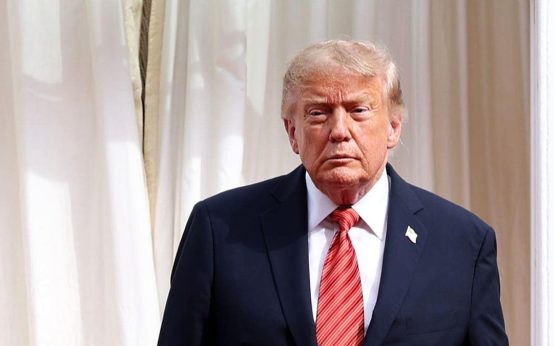 Trump Pressures Republicans on Filibuster Threat
 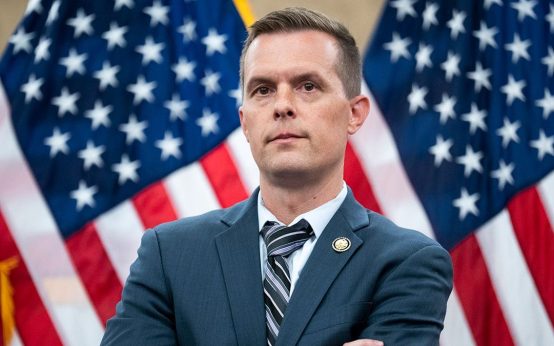 Rep. Golden Endorses Rep. Lawler for Re-election
  Public Perception and Political Impact of Data Centers
 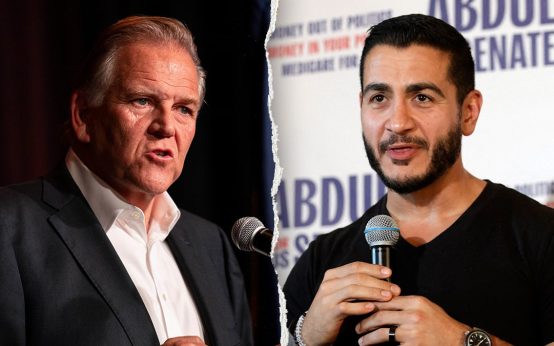 Jewish Democrats in Michigan Shift Support to GOP Candidate in Senate Race
  Mayor Mamdani and President Trump Discuss Major Housing Project in NYC
  Poll Reveals MAGA’s Increasing Popularity Over DSA as Democrats’ Future Debated