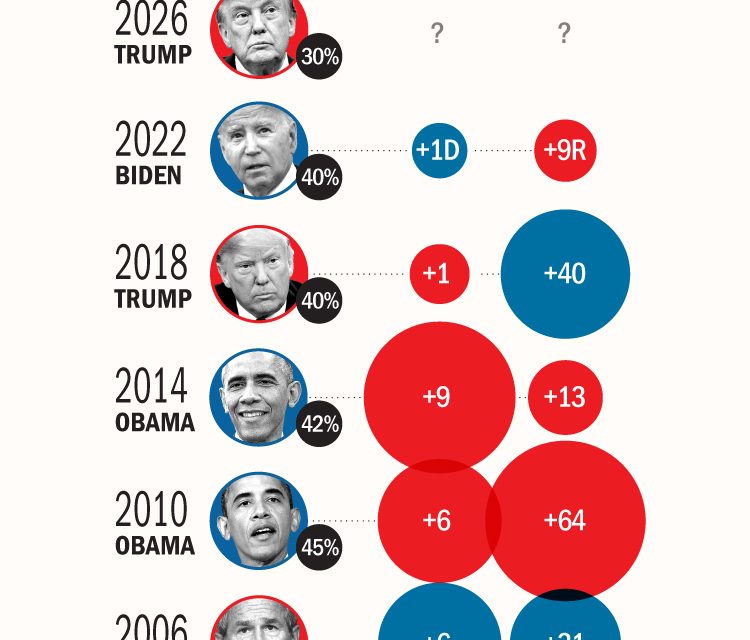
Lowest Approval Ratings Before Midterms
With November’s elections approaching, President Donald Trump faces historically low approval ratings. His rating dropped to 30% in early October, marking the lowest point of his second term. This is the lowest any President has reached heading into midterms in decades. The Pew Research Center highlights that similar low ratings were last seen with President Harry Truman in 1946.
Key Issues Influencing Public Opinion
The economy significantly influences public dissatisfaction with Trump’s administration. According to a survey by The Associated Press-NORC Center for Public Affairs Research, only 26% of adults support Trump’s handling of the economy. Furthermore, just 17% approve of his approach to the cost of living. Many also disapprove of Trump’s actions regarding the conflict in Iran; only 28% express support.
Peter Enns, a professor at Cornell University, emphasizes Trump’s unpopular policies. He connects Trump’s decisions with notably high gas prices. Registered voters prioritize the economy and foreign policy as critical issues for the midterms.
Midterm Election Challenges
Midterms typically challenge the sitting President’s party. Experts note that the incumbent party generally loses congressional seats. Frustration arises from unmet expectations and disagreement with the administration’s actions.
Costas Panagopoulos from Northeastern University attributes this trend to voters seeking partisan balance. When one party controls the White House and Congress, it’s easier for voters to blame that party for dissatisfaction.
Despite historical trends, exceptions exist. In 2002, President George W. Bush’s high ratings led Republicans to gain seats. Additionally, unexpected outcomes occurred in the 2022 midterms, where despite President Joe Biden’s low approval ratings, Democrats performed better than anticipated.
Approval Ratings as Predictors
Michele Swers from Georgetown University explains that midterms act as a referendum on presidential performance. While the President isn’t on the ballot, dissatisfaction affects the President’s party. Swers emphasizes that presidential approval ratings predict midterm outcomes.
Panagopoulos agrees, stating that low approval ratings increase the likelihood of losing congressional seats.
Impact on Republican Party
Experts believe Republicans face a challenging political climate. Democrats outperform Republicans in generic ballot polls and show higher enthusiasm for voting. Panagopoulos suggests Republicans may lose seats in both chambers.
However, capturing the majority remains challenging. Enns notes that polling provides a snapshot, and actual voter turnout remains uncertain until Election Day.
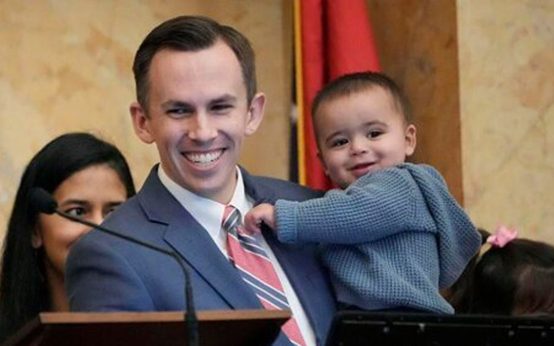 Mississippi State Auditor Shad White Announces Gubernatorial Bid
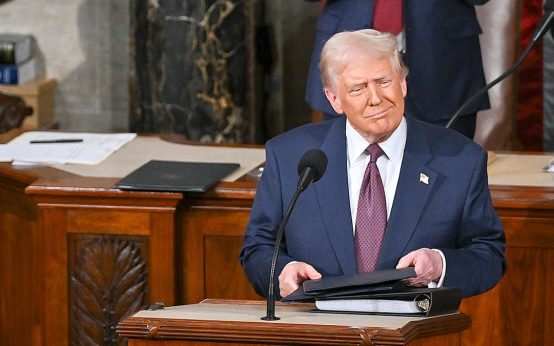 Trump Dismisses Third Impeachment Prospects
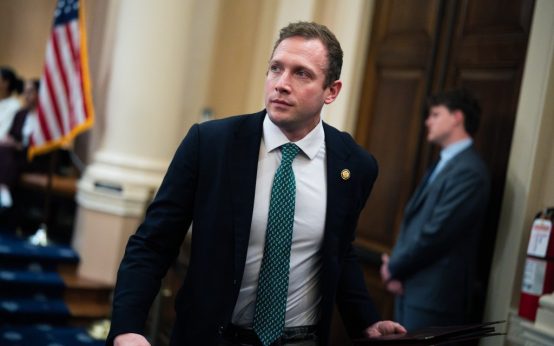 Custody Dispute Involving Rep. Max Miller Delayed
 Attorney General Addresses Post-Midterm Democratic Threats
 Senator Elizabeth Warren and the Future of Crypto Regulation
 Bipartisan Opportunities in Foreign Policy