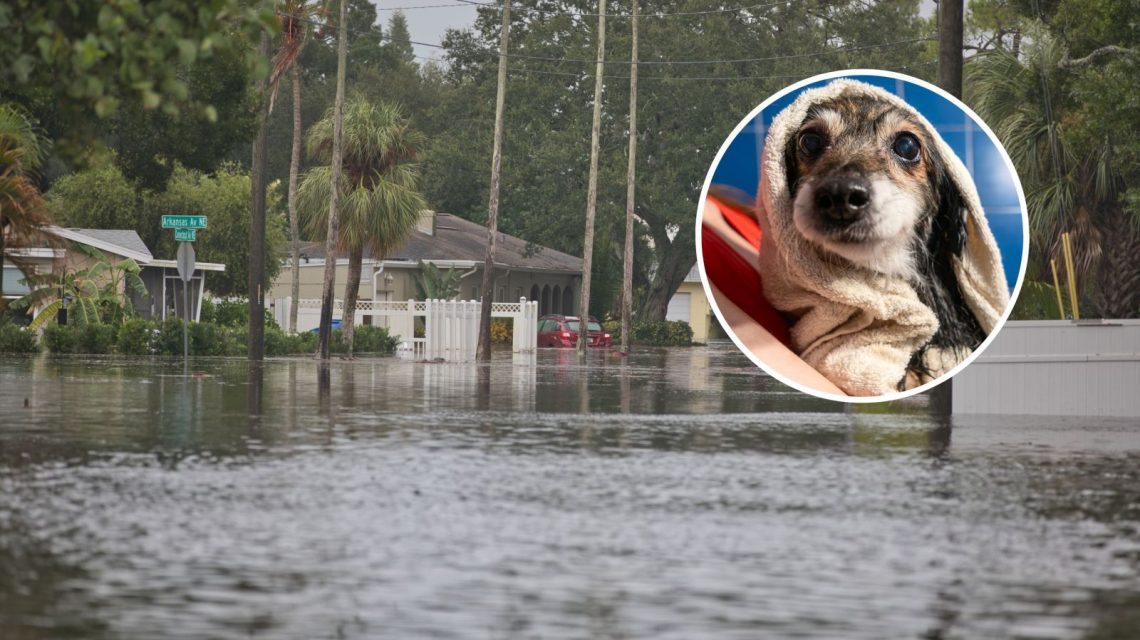
Pet owners should start preparing for a “supersized” El Niño, set to affect the country this fall and winter. Livestock caregivers will face unique challenges with wet and wintry weather. The forecast indicates that El Niño may reach its peak by the end of the year. There is a 75% chance it will reach historic strength between October and December.
“El Niño is being supersized before our eyes. The science leaves no room for doubt: the planet is in uncharted waters, and those waters are heating up,” stated United Nations Secretary-General António Guterres.
El Niño results from unusually warm ocean temperatures in the central and eastern tropical Pacific. It influences atmospheric patterns, impacting weather worldwide. In the United States, El Niño generally brings wetter conditions to the southern states, including California, and warmer, drier conditions to the northern states. Due to varying impacts, animal owners should prepare for risks specific to their region.
Why Livestock Need Special Preparation
Preparing cattle for a potentially wet and cold winter differs significantly from preparing dogs or cats. Cody Deluisio, herd manager at Deluisio Angus in Pennsylvania, explained that cattle rely on food to maintain warmth.
“Cattle’s internal furnace is powered by digesting roughage,” he explained. “During an El Niño winter, with wet freezing rain, their coats get wet, losing insulation.”
Owners may need to provide extra feed or shelter from elements. Deluisio Angus plans to have about 30% more hay available this winter.
“Managing cattle in El Niño is less about bringing them inside and more about providing the right food and environment,” Deluisio emphasized.
Protect Livestock From Wet and Windy Conditions
Rain creates issues like mud, which can cause injuries or hoof rot. Owners should manage high-traffic areas, like gates and feeding spots, using mats, concrete, or regular cleaning. Drainage and pasture management are essential for keeping animals clean and dry. Wind protection is also vital. Although heated barns seem logical, they may foster respiratory illnesses due to lack of fresh air.
“Cattle need fresh air, as in a stuffy barn respiratory illnesses will skyrocket,” Deluisio noted.
Three-sided sheds allow protection from rain and wind while maintaining ventilation.
“Even on the coldest days, a windbreak feels significantly warmer,” Deluisio added.
The goal is not artificial warmth but conditions enabling animals to regulate their body temperature.
“With a 1,500-pound animal born and raised outside, you have to actively manage their environment and feed,” Deluisio said.
What About Dogs and Cats?
Preparation for household pets is simpler, but preventive steps are necessary. Ali Smith, a canine behavior consultant at Maven, advises considering the animal and expected regional risks. In heavy rain areas, owners might prepare indoor potty areas.
“It’s a lot of the regular emergency preparedness things we might expect,” Smith explained.
In flood-prone zones, an emergency plan is crucial, including safe destinations for pets. Adequate emergency supplies like food, water, medications, identification information, and veterinary records should be accessible for potential evacuations.
For cats, getting them accustomed to carriers is vital, while dogs should have secure leashes and harnesses ready. Standing floodwater can pose dangers if contaminated, so owners must plan alternate housing like pet-friendly hotels or boarding facilities.
While El Niño’s specific effects vary geographically, preparing for potential severe weather alleviates stress during the unpredictable season.
 Federal Relief Funds Used for Anti-Racism Training in Albuquerque Schools
  Concerns Over Food Safety and Its Impact on Families
  EPA Dismantles Greenhouse Gas Rules, Causing Concern
  How Battery Innovations Transform Renewable Energy
  Data Centers Stir Controversy in Texas Amid Growth Boom
  Urgent Archaeological Efforts in Quinhagak Stay Ahead of Erosion