
The recent wildfires have significantly impacted air quality across major cities in Canada and the U.S. Last week, the Midwest and Northeast experienced some of the worst air quality globally. Smoke from wildfires blanketed cities including Minneapolis and New York, creating a dramatic scene reminiscent of a dystopian setting.
Over 100 million people in the U.S. faced air-quality alerts due to the extensive smoke. The situation deteriorated as the smoke reached as far as Washington, D.C., over the weekend.
Despite these challenges, both Canada and the U.S. do not invest enough in fuel treatment to curb such severe fires. Fuel treatment involves reducing forest fuel loads, such as dead branches and undergrowth, which can worsen fire conditions. Improved attention to these preventive measures is crucial to mitigate future fire impacts and protect communities from hazardous air quality.
Organizations, including City Journal published by the Manhattan Institute, continue to emphasize the importance of urban policy in tackling environmental issues. By making strategic investments and policy changes, North America can better address the growing threat of wildfires and their effects on air quality.
Informed by the recent events, policymakers must reassess current strategies for managing forest fires. Enhanced focus on fuel treatment can significantly reduce the frequency and intensity of these fires, ultimately safeguarding public health and environmental stability.
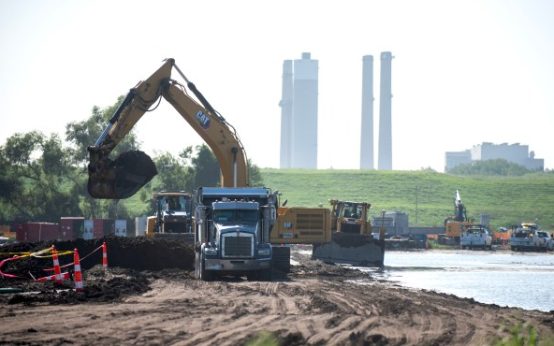 EPA Dismantles Greenhouse Gas Rules, Causing Concern
 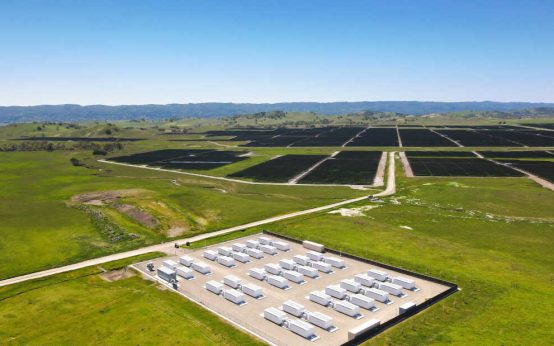 How Battery Innovations Transform Renewable Energy
  Data Centers Stir Controversy in Texas Amid Growth Boom
 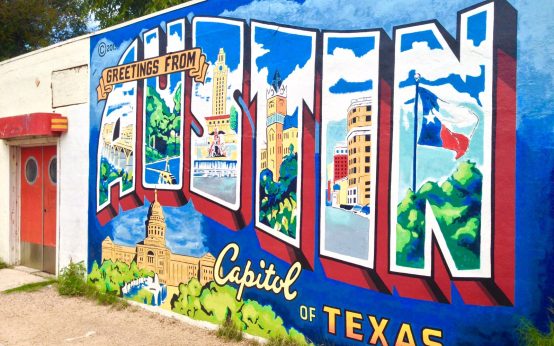 ICE Agent Shoots Civilian in Austin: Investigation Underway
  Sunday Sports Recap and Weekend Adventures
 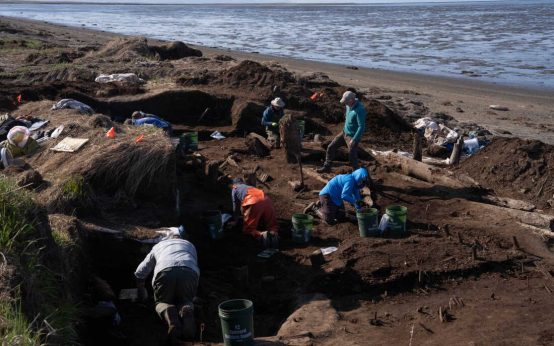 Urgent Archaeological Efforts in Quinhagak Stay Ahead of Erosion