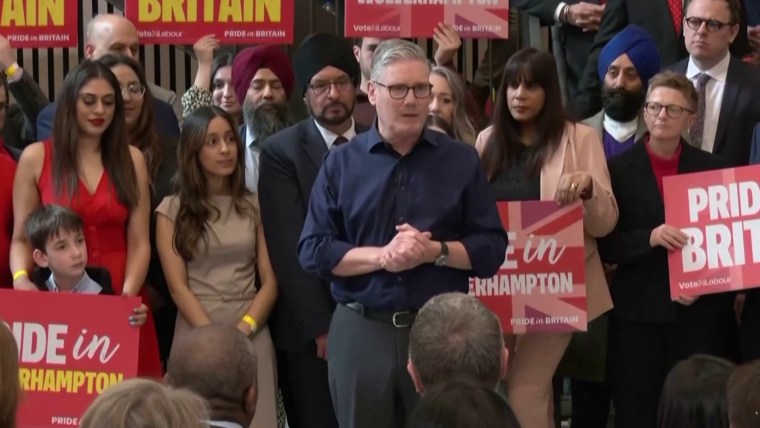
The British Prime Minister, Keir Starmer, is facing significant challenges within his own party. Wes Streeting, the Health Secretary, resigned on Thursday, setting the stage for potential leadership changes in the UK and within the Labour Party.
Current Situation
Starmer is dealing with internal rebellion due to losses in recent local and regional elections. This adds to previous scandals that led him to dismiss key allies.
“Starmer will not lead the Labour Party into the next general election,” asserted Streeting. He emphasized the need for bold visions and bigger solutions.
Streeting’s resignation might trigger a leadership contest, as he seeks to gather support from Labour MPs. Other figures may also consider entering the potential leadership race.
Key Contenders
Wes Streeting
Streeting, 43, from the centrist wing of Labour, is a skilled communicator with ambitions for leadership. He left Starmer’s cabinet, hoping it would open up a leadership challenge. Considered a “Blairite,” Streeting admires former leader Tony Blair, known for steering Labour to the center. However, his centrist views may face resistance from more left-leaning members.
Streeting’s association with Peter Mandelson, a recently fired British ambassador, has been questioned. Mandelson faced allegations of misconduct related to his interactions with Jeffrey Epstein, but both deny close friendship and wrongdoing.
Streeting’s life story is notable: born to teenage parents in East London, he overcame poverty and became the Health Secretary in 2024. He manages the National Health Service, advocating for modernizing it and collaborating with private healthcare to alleviate systemic strain. His stance has led to clashes with striking healthcare workers, complicating his position within Labour, which values union ties.
Andy Burnham
Unlike many potential contenders, Burnham is not part of Starmer’s circle, serving instead as the mayor of Greater Manchester. According to YouGov, Burnham is highly popular nationally.
Though favored in leadership discussions, Burnham cannot run currently as he is not an MP. To enter the race, an MP would need to vacate their seat, and Burnham must win a by-election, a challenging process given Labour’s national standing.
Burnham champions the “Manchester Model,” promoting investment and innovation, coined “business-friendly socialism.” Streeting’s prompt action might keep Burnham from contesting, despite Streeting’s call for a broad candidature pool.
Angela Rayner
Rayner, from the Labour left, counterbalanced Starmer when she was his deputy. Her background as a former carer and union member, and her down-to-earth demeanor, resonate with working-class supporters.
Rayner encountered legal issues over taxes on a second home, previously forcing her resignation. With recent clearance from HMRC, she might pursue leadership.
Ed Miliband
Once Labour’s leader nearly a decade ago, Miliband now serves as Starmer’s energy secretary, advocating for a net-zero agenda. His leadership previously led to significant electoral defeat, making his candidacy risky, yet possible.
Starmer’s Position
Despite his unpopularity, Starmer might remain due to rivals’ challenges and internal party rules. Labour’s structure requires 20% of MPs to support a challenger, making leadership upheaval complex. Over 100 Labour MPs support Starmer, citing his economic and diplomatic steadiness.
Markets have reacted to potential leadership changes with unease, prompting caution among those considering dramatic shifts.
Other Potential Candidates
Other names have surfaced but are seen as long shots. This includes political newcomer Al Carns and seasoned figures like Foreign Secretary Yvette Cooper and Home Secretary Shabana Mahmood, who have shown no overt interest in candidacy.
Leadership Challenge Process
In the UK parliamentary system, a leadership contest unfolds internally. Labour requires 20% of MPs rallying behind a challenger. These contenders then face a vote by Labour members and affiliated union members, with the winner becoming Labour leader and possibly Prime Minister.
 Nicki Minaj Sits Down with Lara Trump
  Senators with Sports Backgrounds Push College Sports Act
  Judge Temporarily Restores CNN’s Access Amid White House Restrictions
  Attorney General Defends Trump’s Media Restrictions Amid Legal Battle
  JD Vance’s Vision for America Resonates with Small Towns
  Trump Administration Shuts Down Refugee Program for Iranian Minorities Amid Rising Antisemitism Concerns