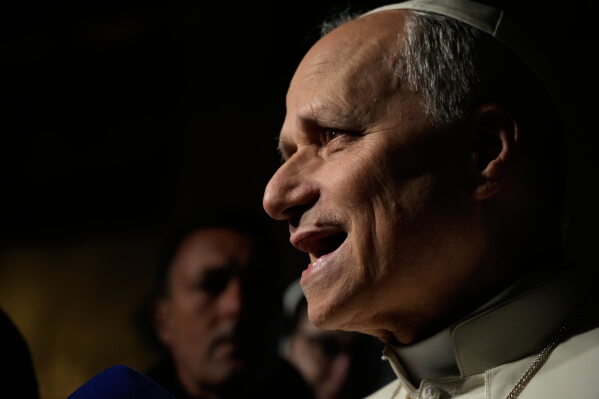
On Monday, Spanish lawmakers honored Pope Leo XIV with a standing ovation after his historic address to parliament. He called for the respect of migrant rights and adherence to international law. This event marked a significant level of acceptance of the Catholic Church in the largely secular country.
In an unprecedented move, Pope Leo XIV addressed Spanish legislators, emphasizing the need for a ‘moral renewal’ in public life. He stressed the importance of respecting the dignity of all individuals, including migrants, the unborn, and society’s most vulnerable members.
The moral greatness of a nation is manifested, above all, in its capacity to accompany, protect, and love those lives that are most fragile,Leo stated.
While papal speeches to foreign legislative bodies are uncommon, they suggest a recognition of religious leaders by lawmakers. Notably, Pope Francis spoke to the U.S. Congress in 2015 and Pope Benedict XVI addressed Germany’s Bundestag in 2011. The invitation extended to Leo signals growing acceptance for the Church in Spain’s political environment.
The Catholic Church played a significant role during Gen. Francisco Franco’s dictatorship, commanding significant influence over society. Since the 1970s, as democracy took hold, this influence waned. Although many Spaniards still identify as Catholic, religious practice has declined as seen in other previously Christian countries. Yet, lawmakers showed overwhelming support for Pope Leo XI, with chants of “Viva el Papa!” following his speech.
During his weeklong visit to Spain, 1.5 million people attended a Mass, while 600,000 young people participated in a prayer vigil. This visit aligns with Pope Benedict’s last visit in 2011.
Call for Peace Amid Regional Conflicts
Pope Leo’s address took place amidst escalating tensions between Israel and Iran, threatening broader conflict in the Middle East. He reiterated the need for dialogue and diplomatic courage, advocating for peaceful means to resolve disputes as per international law. Leo expressed concern over increased European defense spending due to tensions with Russia and the Trump administration’s stance on support for Europe.
It is therefore a cause for concern that rearmament is once again being presented as an almost inevitable response to the fragility of the international situation,Leo remarked.
He also urged rigorous ethical oversight over automated weapons systems driven by artificial intelligence, ensuring moral responsibility remains with humans.
Advocacy for Migrant Dignity and Integration
Pope Leo commended Spain’s Socialist-led government for its unique stance on immigration, emphasizing economic and humanitarian benefits. A legalization initiative was launched for many unauthorized immigrants, addressing Spain’s workforce challenges due to an aging population and low birth rate.
Leo called for robust international efforts to combat migrant smuggling and foster conditions allowing them to remain in their home countries. For those escaping conflict, poverty, and climate change, he advocated for their proper integration and acceptance.
This gives rise to a twofold demand for social justice: to offer safe and legal pathways, a respectful welcome and real opportunities for integration; and, at the same time, to promote the right to remain in one’s own land,said Leo.
Reflecting on Historical Lessons
The pope referenced the intellectual tradition of the 16th century known as the School of Salamanca, leading to concepts of international law and human rights in the wake of Spanish colonialism. Leo praised their understanding that power should not be justified by force or self-interest, admitting that both society and the Church often failed to uphold these ideals.
He acknowledged the Church’s complicity in the trans-Atlantic slave trade and colonialism, referencing his recent apology for the Church’s historical actions.
A Delicate Political Setting
Pope Leo’s visit coincided with a challenging period for Prime Minister Pedro Sánchez’s administration. While not directly implicated, Sánchez’s party faced corruption scandals impacting his associates and relatives. Spain faces increased political polarization, which has hindered legislative progress, including passing a budget.
In what seemed a nod to polarization issues, Leo cautioned against letting political pluralism lead to constant denigration of adversaries. Sánchez, an atheist, and the pope have found common ground on major issues, including opposition to the Iran conflict. After meeting Leo, Sánchez described the pope’s guidance as a moral beacon against injustice.
Traditionally, Spain’s Catholic Church held closer ties to the conservative Popular Party. However, Pope Francis and Leo’s emphasis on justice has helped bridge the gap with progressive governments, noted Rafael Ruiz Andrés, a religious dynamics expert at Complutense University of Madrid.
_____
Associated Press religion coverage receives support through the AP’s collaboration with The Conversation US, funded by Lilly Endowment Inc. The AP is solely responsible for this content.
 Social Media Influencer Faces Serious Charges
  U.S. Military Expansion in Greenland
  The Autocratic Age: A Closer Look
  Venezuelan Migrant Arrest in Texas Sparks Outrage
 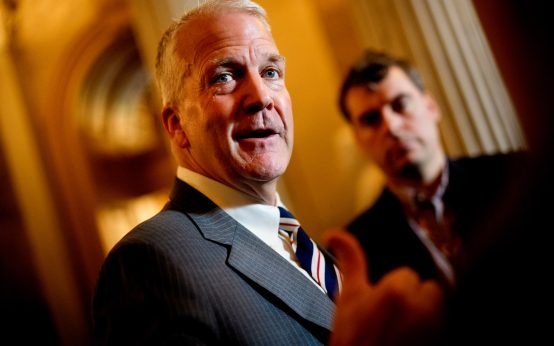 Senator Calls for Halt in Diesel Exports Amid Rising Fuel Costs
 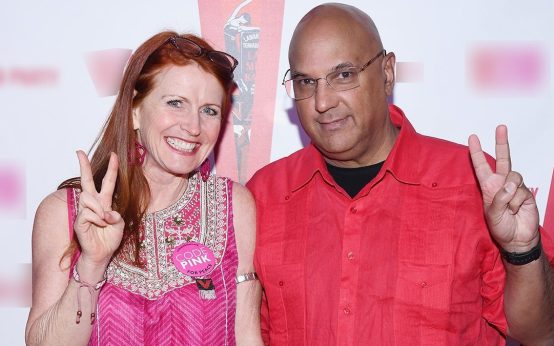 Investigation into Far-Left Groups Organizing Protests