Introduction to a Groundbreaking Surgery
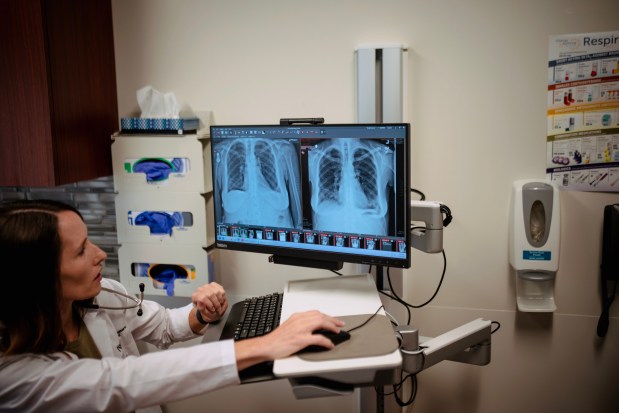
Before undergoing surgery, Elizabeth Wehrle was aware that doctors planned to transplant four new organs into her body. What she didn’t know was the operation at Northwestern Memorial Hospital might be the first of its kind in the U.S. A quadruple-organ transplant on someone who previously had a lung transplant.
Understanding the Complexity
Northwestern reported that, while seven quadruple-organ transplants have occurred in recent years, Wehrle is the first to receive a liver, kidney, and second set of lungs after a previous lung transplant. Her liver and kidney were damaged by cystic fibrosis, and her first set of donor lungs was rejected by her body.
The Challenge of Repeated Transplants
A quadruple-organ transplant is inherently complex. Wehrle’s case was further complicated by her earlier lung transplant. Scarring and anatomical changes from the first lung transplant made the second more challenging, according to Northwestern doctors.
This was a young woman who had no other options, and we could apply the transplant’s capabilities uniquely to save her life,said Dr. Satish Nadig, transplant surgeon and director of the Northwestern Medicine Comprehensive Transplant Center.
Wehrle’s Journey with Cystic Fibrosis
Wehrle was diagnosed with cystic fibrosis, a genetic disease affecting lungs and other organs, at age 11. Initially, doctors managed the disease until 2015. A lung transplant in Iowa followed in 2017, allowing her to resume normal activities until early this year when pneumonia led to severe health complications.
The Decision for Quadruple Transplant
Severe health decline, marked by significant weight loss and the need for daily task assistance, sent Wehrle back to the hospital in February. Eventually, her parents woke her to decide on proceeding with another transplant, a decision influenced by her son.
There was no way I was going to leave my son so early,Wehrle stated, emphasizing her reasons for choosing the transplant.
The Surgical Procedure
Transported to Northwestern, Wehrle underwent surgery in two stages. Her condition posed a challenge due to severe rejection, making second lung transplants particularly demanding, as noted by Dr. Ankit Bharat, chief of thoracic surgery.
Stage one involved freeing the rejected lungs. Then, Wehrle remained under anesthesia with open chest and machines assisting her breathing. In stage two, new lungs, followed by liver and kidney, were successfully transplanted, with the procedure lasting about eight hours.
Recovery and Rehabilitation
Wehrle’s post-surgery memory is foggy, but relief was paramount. Gracious for the renewed chance at life, she spent weeks at Northwestern and later at Shirley Ryan AbilityLab for rehabilitation.
Now walking three to four miles daily, Wehrle looks forward to reuniting with her son and pets. Grateful for the medical team’s efforts, she anticipates continued recovery at home.
Hope for Future Patients
Northwestern doctors aspire to extend such surgeries to other complex cases, demonstrating the possibilities for patients with limited options.
The coordination involved is truly staggering,emphasized Nadig, highlighting the procedure’s potential to give hope to others.
 Florida Man Claims ‘Lion Diet’ Transformed Health and Life
  Concerns Over Food Safety and Its Impact on Families
  A Mother’s Tragic Journey Under Abortion Ban
  Medical Diagnosis Errors: Understanding the Crisis
  Lymphatic Drainage and Ice Sculpting: Emerging Wellness Trends
  The Rising Trend of GLP-1 Medications Among College Students