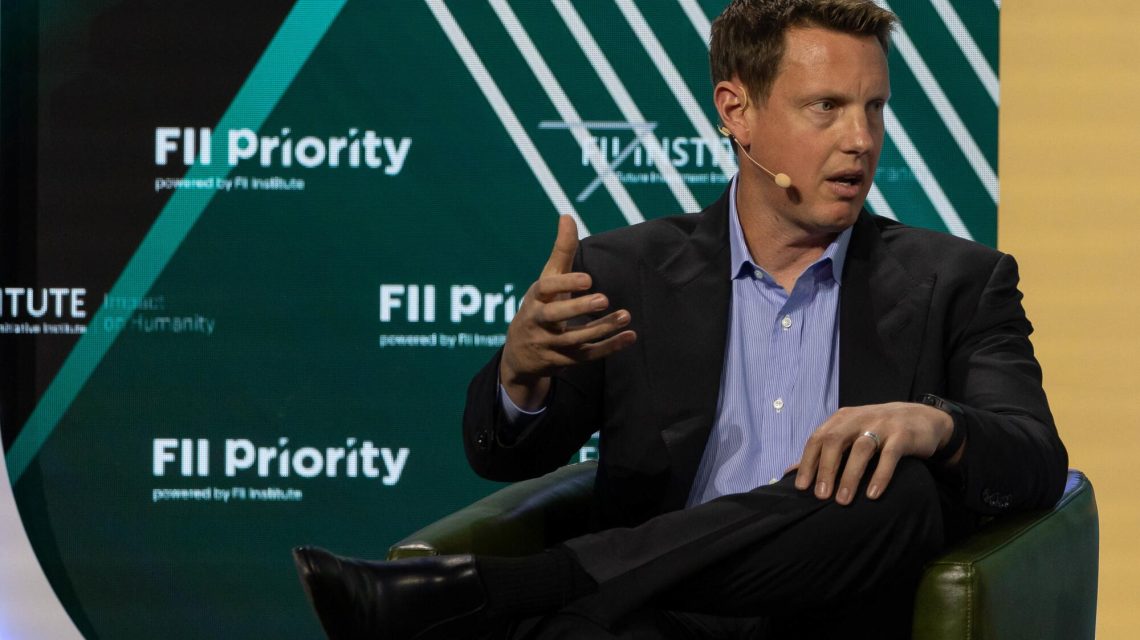
David Ellison, Paramount Skydance Chief Executive, is confronted with an important decision about his Hollywood studio’s future. With iconic films from “Sunset Boulevard” to “The Godfather” produced there, Paramount considers moving its operations to states like Tennessee or Texas. The proposed relocation aims to counteract legal challenges from California Attorney General Rob Bonta, who opposes Paramount’s $111 billion acquisition of Warner Bros. Discovery, labeling it as “blackmail.” Bonta’s antitrust lawsuit, involving 11 Democratic state attorneys general, has stalled the merger—the largest in Hollywood for decades—and placed Ellison in a challenging position.
Though Ellison, a 43-year-old tech entrepreneur, prefers staying in Los Angeles, he has signaled readiness to sell historic studio properties if the merger is not finalized soon. Such a move would impact L.A. significantly, given its current struggles with declining film production and job losses. Assemblymember Rick Chavez Zbur is among those expressing concern, stating the importance of preserving California’s entertainment jobs. Paramount has refrained from commenting directly. Ellison’s frustration is evident after obtaining global regulatory approvals for the merger that would unify networks like HBO, CNN, and CBS. Bonta’s lawsuit remains a key obstacle.
A federal judge’s temporary block on the deal has Paramount agreeing to delay the acquisition’s finalization pending trial or June 1, whichever comes first. Settlement efforts failed in August after Bonta accused Paramount of misrepresentative leaks. Paramount’s urgent need to compete with tech giants has them facing increased financial burdens, including $7 million daily in additional payouts to Warner Bros. Discovery shareholders starting October.
Paramount has requested a $1.88 billion bond from California and other plaintiffs to cover ticking fee costs. The ongoing plan to leave L.A. serves as significant leverage, with Governor Gavin Newsom and other leaders encouraging settlement. Relocating would qualify Paramount for new state tax incentives, though it would be costly given the talent pool concentrated in California.
States like Tennessee have declined to discuss negotiation specifics with Paramount, but they express willingness to work with industries interested in growth there. Pro-merger group Neighbors for Strong Communities urges Californians to advocate for case dismissal, emphasizing impacts on those with longstanding ties in the entertainment industry. Effects of the merger—according to merger opponents—could worsen L.A.’s production landscape.
Paramount’s expense-cutting promises are overshadowed by ticking fee costs, adding quarterly financial strain. L.A. City Council member Adrin Nazarian notes potential job losses from merger outcomes, reflecting broader economic impact concerns, including decreased tax revenues if the studio relocates.
Analysts project drastic economic impacts, predicting job loss numbers exceeding 28,000 if Paramount moves entirely out of California. Alternatively, Paramount could shift headquarters while maintaining substantial staff in Los Angeles and New York. Ellison’s consolidation efforts in L.A. underline family business strengths.
Ellison’s threat of relocation mirrors tactics used by Oracle, founded by Ellison’s father, Larry Ellison. Oracle moved to Texas in 2020 amid tax protests, while further plans to relocate to Nashville remain unsettled. Concerns about losing skilled workers present challenges for Paramount. A talent exodus could follow any move, reminiscent of Nissan’s 2006 workforce shift from California to Tennessee, where less than half their employees relocated.
Court-ordered settlement discussions are planned for late October. Parties have incentives to settle, avoiding drawn-out litigation. Bonta demands asset divestment to reduce market concentration, potentially involving Warner’s film rights and cable channels. An agreement could halt relocation plans, preserving Paramount’s L.A. presence.
Assemblymember Rick Chavez Zbur hopes for a resolution preserving Paramount and Warner Bros. operations, maintaining their economic significance.
 The War on Poverty: A Lesson on Intentions and Outcomes
  Reporters Blocked from White House by Trump Administration
  Universities Should Reject Political Influence on Research Funding
  Trump’s Approach to China: Trade Dynamics and Challenges
  Media Outlets Sue After White House Ban
  American Public Opinion on Press Freedom