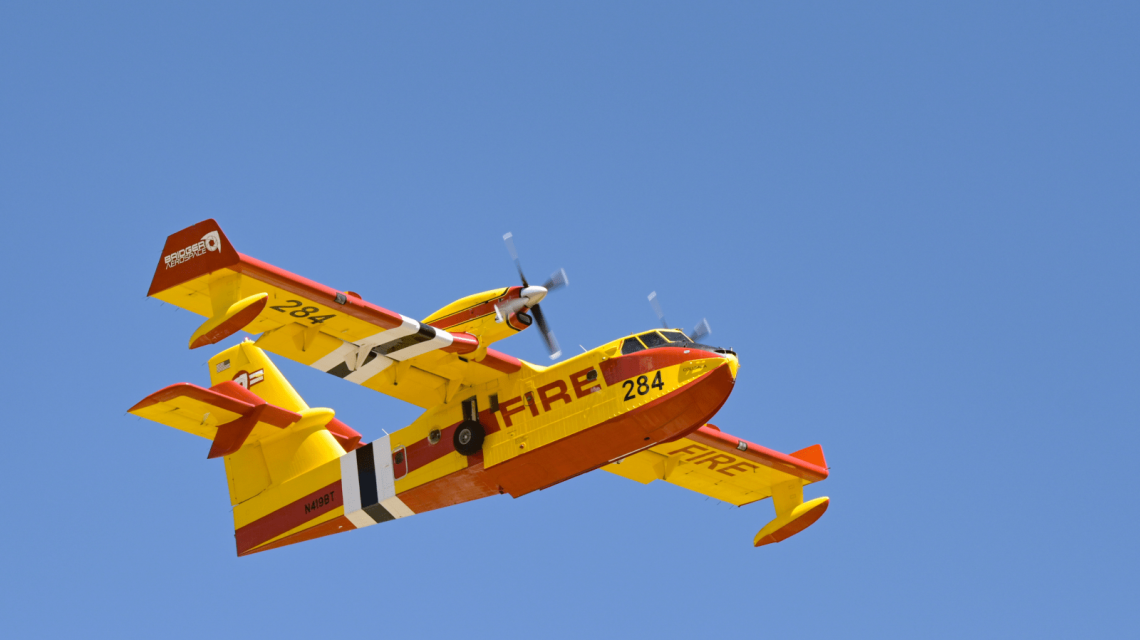
Oregon faces one of its most severe wildfire challenges, with state emergency officials issuing a clear warning to drone operators: drones must stay grounded if a wildfire is nearby. The increased presence of unauthorized drones is disrupting firefighting operations, preventing aircraft from carrying out critical missions. Recently, the Oregon Department of Aviation and the Oregon Department of Emergency Management emphasized that active wildfire zones are strictly “No Drone Zones.”
Officials explain that even a small recreational drone presents serious hazards. Firefighting aircraft fly at low altitudes through smoke to deliver water and fire retardant, aiming to slow fire spread. KOIN 6 News reported concerns about drones around the Grasshopper Fire delaying firefighting activities. Oregon Department of Aviation Director Kenji Sugahara noted these delays could allow fires to spread further, impacting safety and nearby communities.
The presence of unauthorized drones requires firefighting aircraft to halt operations until safe. Each minute delayed increases risks, emphasizing the importance of keeping these zones clear. Violators face significant penalties, including civil fines up to $75,000, potential federal prison sentences up to 12 months, confiscation of equipment, and loss of pilot certificates.
Drone interference is a national problem. The Federal Aviation Administration sets Temporary Flight Restrictions (TFRs) around wildfires to prohibit unauthorized aircraft, ensuring safety. The U.S. Forest Service’s campaign, “If You Fly, We Can’t,” stresses that drone interference halts aerial operations. Reports reveal 20 incidents across eight states have suspended operations at least nine times.
Utah’s authorities recently advised avoiding drone flights after the Eight Mile Fire in Cedar City saw disruptions, affecting both aerial and ground firefighters. Fire officials highlight risks as drones share low altitudes with firefighting aircraft, causing potential collisions and operational suspensions in critical moments.
Authorized drones serve firefighting efforts, monitoring hotspots, and providing valuable data, but recreational flights remain uncoordinated. With active fires across the western U.S., authorities insist on the firm rule: if wildfires are nearby, keep drones at home and support emergency operations by keeping airspace clear.
For more information, contact Newsweek editors Daniel Orton and Robert Greenall.
 EPA Dismantles Greenhouse Gas Rules, Causing Concern
  How Battery Innovations Transform Renewable Energy
  Data Centers Stir Controversy in Texas Amid Growth Boom
  Urgent Archaeological Efforts in Quinhagak Stay Ahead of Erosion
  Concerns Rise Over NIPSCO Permit In Jasper County
  Reader Reactions on Grizzlies and Data Centers