
Current Challenges in the Housing Market
Mortgage rates are climbing due to global economic uncertainty. The conflict beginning in Iran intensified these challenges. For many prospective homebuyers, years of increasing housing costs have made affordability a pressing issue.
Reasons for Optimism
Despite the difficulties, there are signs of hope. Latest data from the U.S. housing market reveals positive trends for buyers:
- Decline in New Home Prices: The cost of new homes is down 15% over the past four years, making them cheaper than existing homes—a rare occurrence. Typically, new homes cost more.
- Improved Inventory Levels: Inventory nationwide is nearly back to pre-pandemic levels, although still below market needs.
Supply and Demand Issues
The housing market faces a significant supply shortage. The U.S. Department of Housing and Urban Development (HUD) estimates a 1.5 million housing unit shortfall. Census Bureau data from July 2026 shows an oversupply in new homes with 488,000 units for sale.
Restrictive zoning and land-use rules contribute to difficulties in meeting housing demands. High land costs further challenge builders, especially in high-demand areas like the Northeast, Midwest, and California. Meanwhile, some Southern and Mountain West regions see more robust construction.
Comparing New and Existing Homes
New homes had an average price of $394,000 in July, while existing homes were priced at $434,000. This results in a 9.3% discount for new builds compared to the average historical premium of $40,000 over existing homes.
Builders lowered prices following mid-2022’s increased borrowing costs, whereas existing homeowners raised prices. New home supply is at recession-levels, over nine months, compared to four and a half months for existing homes.
For homebuyers, this provides an opportunity but suggests potential future supply shrinkage if builders reduce new projects due to decreased profits.
Regional Inventory Differences
While inventory has improved, the issue of high prices persists. Regions like the South have ample supply, lowering prices, but the Northeast and Midwest experience acute shortages. Of states with increased supply, demand remains low with sales below 2019 levels, affecting both sellers and first-time buyers.
Market and Economic Challenges
The average home price increased by 3.2% in July compared to the previous year. Borrowing costs are high, with the 30-year fixed-rate mortgage averaging 6.71% as of early September.
Higher borrowing costs are reflected in the reduced number of mortgage applications. While applications rebounded by 0.8% during the week ending August 28, they had fallen 1% the previous week, indicating continued financial hardship for Americans.
 Amazon Offers Discounts to Employees at Whole Foods
  Hidden Fees in Real Estate Transactions: A Growing Concern
 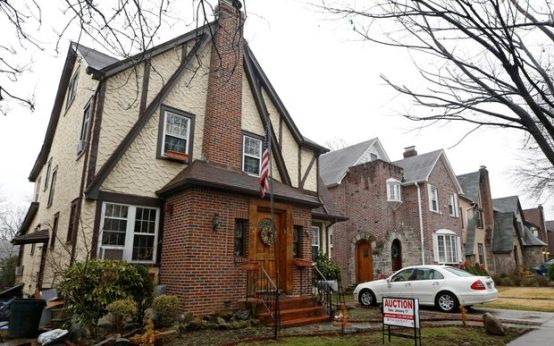 Trump’s Childhood Home Sells for Nearly $2 Million After Renovation
  Luxury Five-Bedroom Home with Rooftop Deck in Edgewater
  Trump’s Housing Affordability Agenda Faces Challenges
  Easing Mortgage Standards: A Complex Debate