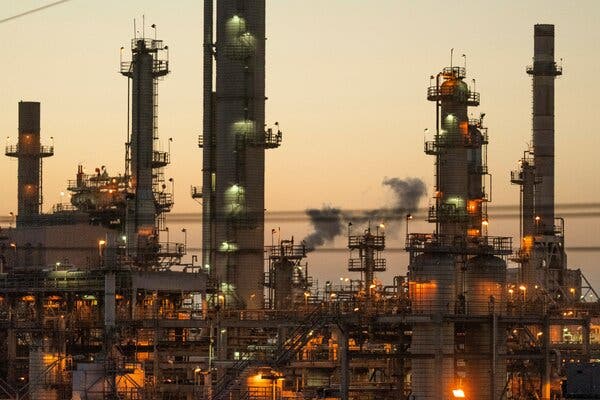
Oil prices climbed significantly on Monday, driven by signs of faltering peace talks between Iran and the United States. Brent crude, the international benchmark, increased over 5% to approximately $93 per barrel. This rise marked its most substantial uptick in nearly a month. Meanwhile, West Texas Intermediate, the U.S. benchmark, jumped over 6% to around $93 per barrel, the largest increase since late April. Despite these gains, prices remain below the peaks observed during wartime.
The negotiations between Iranian and American parties center around extending a cease-fire and reopening the crucial Strait of Hormuz. This strategic passage, vital for oil and other commodity shipping, lies along Iran’s southern border. However, the discussions are fraught with risk following recent attacks by Iran, the United States, and Israel, alongside subsequent threats of further hostilities.
During the past week, the United States launched strikes in Iran, and Iran’s Revolutionary Guards retaliated by targeting an American air base. This intensifying conflict raises fears about the longevity of global oil and fuel reserves if the strait remains closed.
“There has been quiet panic building,” stated Helima Croft, the head of global commodity strategy at RBC Capital Markets.
The ongoing conflict with Iran has led Persian Gulf countries to cut output by more than 14 million barrels daily, as per the International Energy Agency (IEA). This reduction equates to almost 14% of the global supply before the war.
Efforts have been made to mitigate these losses. China has scaled back on oil imports, while numerous nations have tapped into emergency stores. Additional exports from the U.S., Canada, Brazil, and others have also helped, according to the IEA. Furthermore, elevated prices have led to decreased oil demand.
Nevertheless, industry analysts and executives are increasingly worried about shrinking oil and fuel inventories, including gasoline and diesel.
“We’re approaching unheard-of inventory levels. Really low levels. Whether it’ll reach those levels in two weeks or three is up for debate,” said Neil Chapman, Exxon Mobil’s senior vice president, at a recent conference. “But once we hit that point, prices will shoot up.”
The United States is extracting about nine million barrels per week from its federal stockpile. According to the Energy Information Administration, this rate would deplete the nation’s strategic reserves to their lowest since 1983 by next week.
“That’s a debt we’re going to have to pay back,” noted Amos Hochstein, a former senior adviser on energy and foreign policy in the Biden administration.
Rebecca F. Elliott and Joe Rennison report on energy and financial markets respectively for The Times, offering insights into these complex fields.
 Austin Tice: A Search for Answers
 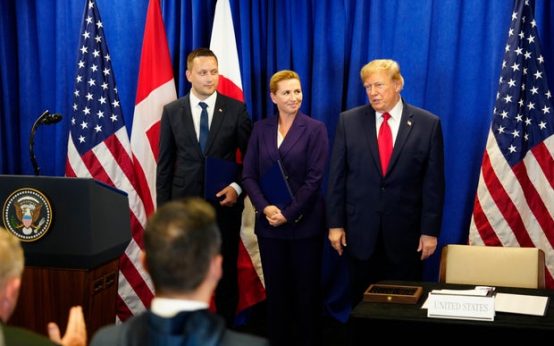 U.S., Denmark, and Greenland Forge New Security Agreement
 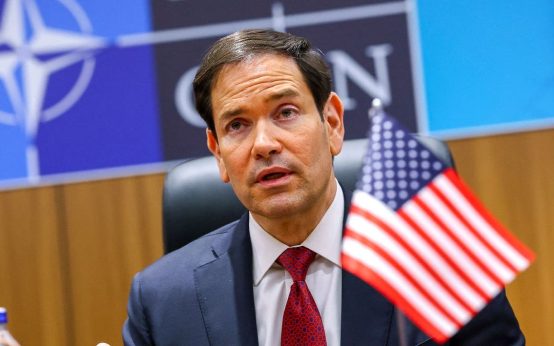 Secretary Rubio Discusses Middle East Conflict and NATO Relations
  Israeli Leader’s Upcoming U.N. Assembly Speech Marked by Controversy
  United States Secures Arctic Defense Pact
 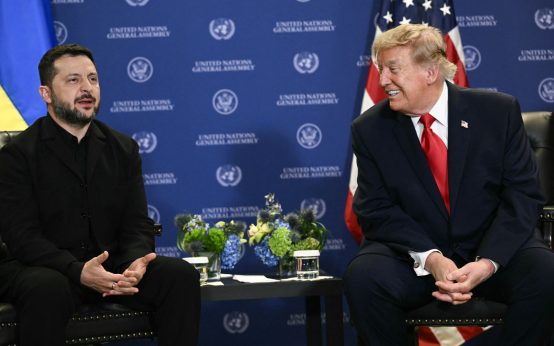 Trump’s Engagements at the UN: Focus on Ukraine and White House Developments