
Oil prices fell sharply on Sunday evening following President Donald Trump’s announcement that U.S. forces would hold off on further strikes against Iran. Trump suggested that a resolution to the ongoing Middle East conflict might be close. This potential agreement could allow oil tankers to resume passage through the Persian Gulf, a key shipping route that had been obstructed due to the fighting.
The price of U.S. crude oil dropped 5% to $80.79 per barrel on Sunday night, while the Brent crude price decreased 5% to $83.87 per barrel. Since the United States and Israel initiated attacks on Iran in late February, oil prices have fluctuated significantly, surpassing $100 per barrel multiple times throughout the spring.
The conflict’s persistence led to elevated oil prices impacting the cost of gasoline, jet fuel, and other diesel-dependent products. Consumers felt the effects at the gas pumps, with increased prices for airfare attributed to the rising jet fuel costs. Some nations experienced fuel shortages, which resulted in rationing and temporary closures of schools and government offices.
While consumers faced higher costs, oil and gas companies benefited from the price surges. They saw significant profits in the spring, primarily due to the inability to ship petroleum products through the strategic Strait of Hormuz, which borders Iran and was inaccessible due to the conflict. Despite the recent drop, U.S. crude oil prices remained roughly 20% higher than their levels before the conflict began.
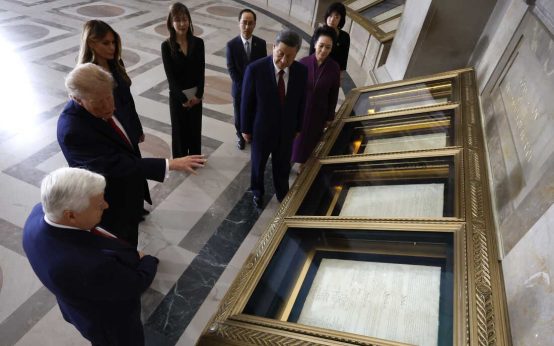 Historical Discrepancies and Diplomatic Sensitivities in U.S.-China Relations
 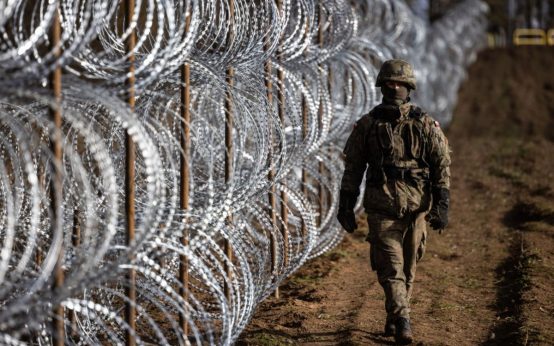 Escalating Tensions: Russia’s Nuclear Threat and the Kaliningrad Conundrum
 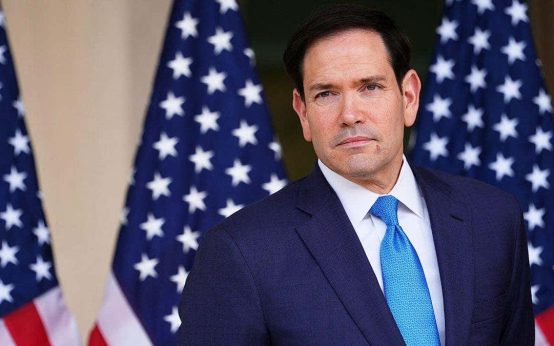 Marco Rubio Discusses Thwarted UK Terror Plot and Global Threats
  New Leads Emerge in 2014 Ayotzinapa Student Disappearance Case
  Concerns Over U.N. Secretary-General Candidate’s Alignment
  Possible Shipwreck Exposed After Nor’easter in Nantucket