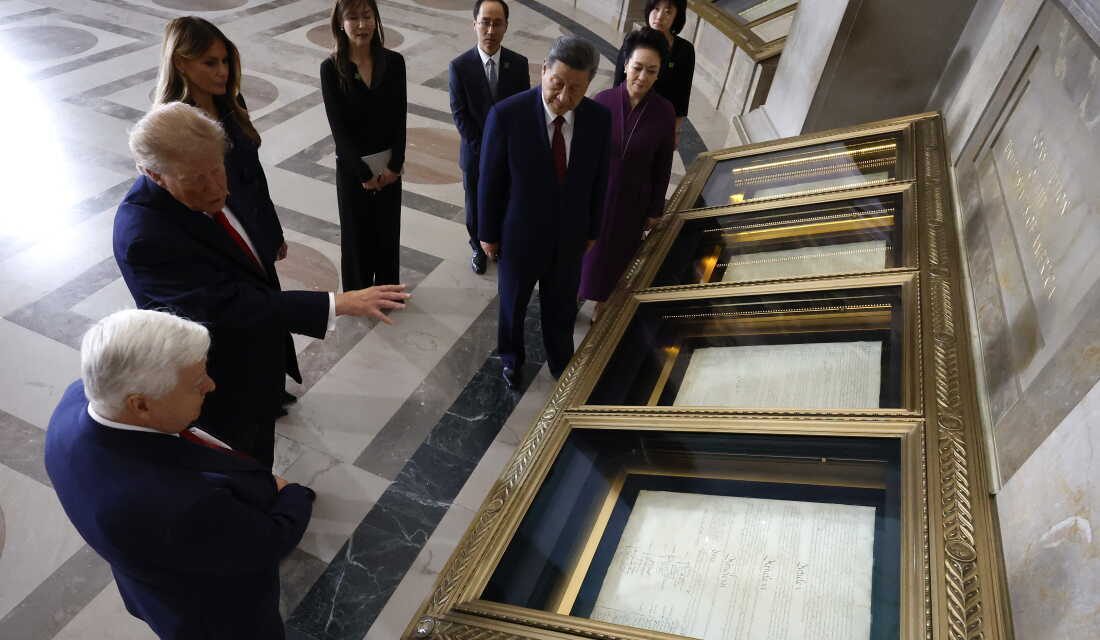
On September 25, 2026, U.S. President Donald Trump embarked on a tour of the National Archives Museum in Washington, D.C., accompanied by Chinese President Xi Jinping, First Lady Melania Trump, and Peng Liyuan, the First Lady of China. During this visit, an unexpected change in plans occurred due to diplomatic sensitivities.
In preparation for the visit, a temporary display had been arranged in the museum’s main foyer. The display included notable artifacts such as a brick from the Great Wall of China and a 19th-century scroll sent by a Qing emperor. However, these items were removed at the last minute due to Chinese opposition.
The removal of the display centered around the planned inclusion of the Treaty of San Francisco from 1951. This treaty, signed by Japan and the Allied Powers excluding China, marks the end of World War II hostilities. The treaty leaves the status of Taiwan undetermined, which remains a contentious issue for Beijing. A Chinese diplomat, speaking anonymously, explained the displeasure as stemming from China’s exclusion from the treaty and its implications regarding Taiwan’s political status.
Ryan Hass, a China expert at the Brookings Institution, emphasized the treaty’s significance in defining Taiwan’s undetermined status. He noted that it is a point of contention for the Chinese, who were not signatories. The U.S.’ relationship with Taiwan is influenced by documents such as the Six Assurances and the Three Communiques, key aspects of diplomatic discussions between the two countries.
During the Archives visit, discussions about displaying Taiwan-related documents took place. Ultimately, these documents were excluded, showcasing Taiwan’s sensitive position in U.S.-China relations. The incident highlights the ongoing foreign policy ramifications stemming from historical interpretation differences.
The visit served as an opportunity for both leaders to discuss shared historical points, reciprocating a similar event in Beijing where President Trump visited the Temple of Heaven and other notable sites. A U.S. administration official described the visit as productive, allowing leaders to review important historical documents foundational to American history.
The Chinese Embassy did not provide comments on the incident, but diplomatic sources noted China’s efforts to deem the Treaty of San Francisco as illegal, citing the lack of signatures from both China and Taiwan. China prefers referencing the Cairo Declaration and Potsdam Declaration as opposed to the treaty, emphasizing support for returning territories to Chinese sovereignty.
As President Trump and Xi Jinping entered the Archives, the building had been cleared for browsing original copies of the Declaration of Independence, the Constitution, and the Bill of Rights. President Xi praised the founding spirit of American history, and President Trump returned the compliment by highlighting the long history of China.
 Zohran Mamdani’s Vision for Affordable Child Care in New York City
  Senator Ted Cruz Leads Effort to Reform College Athletics Regulation
 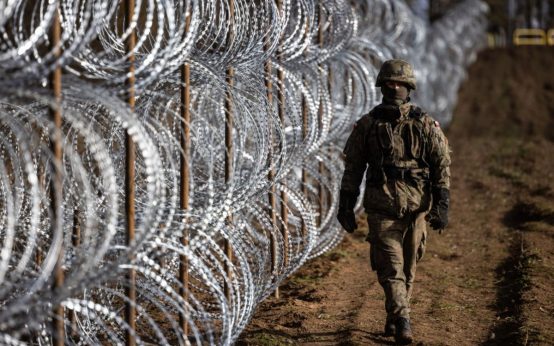 Escalating Tensions: Russia’s Nuclear Threat and the Kaliningrad Conundrum
  California Governor Signs Bills Challenging Federal Immigration Policies
 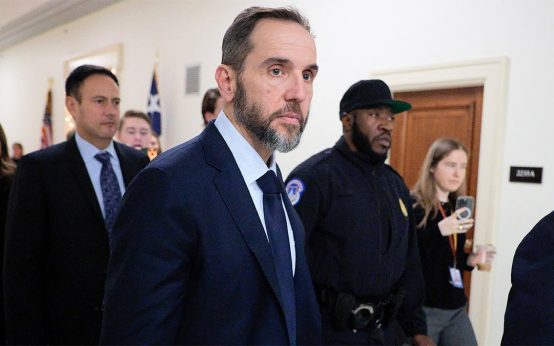 Jim Jordan Claims Jack Smith Misled Congress
 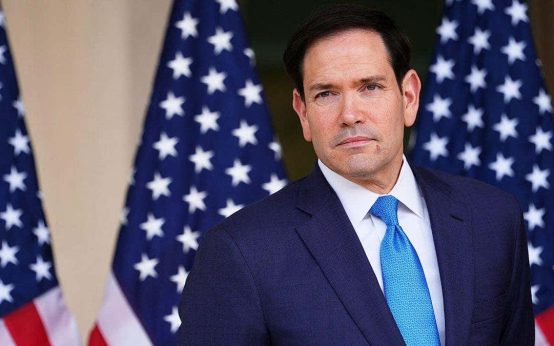 Marco Rubio Discusses Thwarted UK Terror Plot and Global Threats