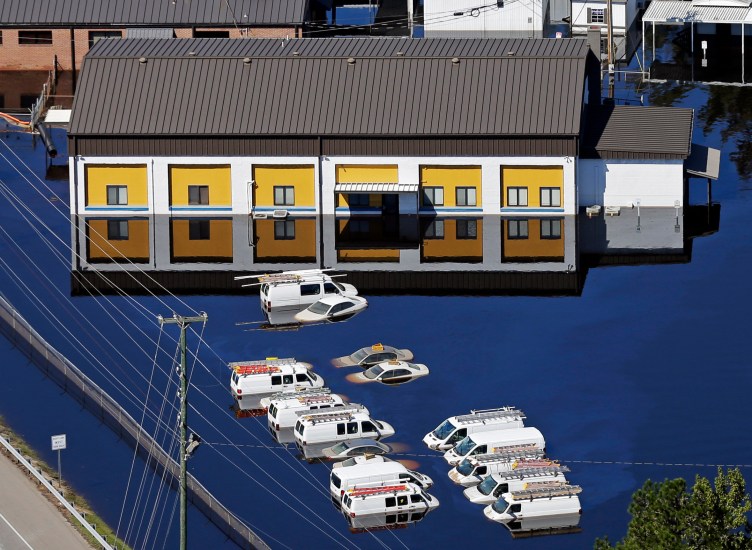
Delays and Setbacks in Rebuilding
A North Carolina home rebuilding program faced significant challenges after Hurricanes Florence and Matthew, leaving many families waiting for years to return home. The program struggled with tracking expenses and holding contractors accountable. To address these issues, Governor Josh Stein launched a new recovery program for Hurricane Helene.
Current Situation and Challenges
About 5,000 homeowners are currently waiting for state assistance with rebuilding after Hurricane Helene. Problems similar to previous efforts, such as rigid rules and understaffed agencies, have surfaced again. The earlier program, ReBuild NC, established to help those affected by Florence, had over 10,000 families apply. Yet, five years post-storm, 3,100 families were still awaiting construction.
“It’s like being in jail. Everybody else done moved back home in their houses, enjoying it, except me.” – Willa Mae James
James, a 69-year-old retired dietitian, spent 459 days at a hotel after her home in Lumberton was damaged by flooding. The state promised to aid thousands but took years to initiate work.
Problems with ReBuild NC
ReBuild NC was designed to help low and moderate-income homeowners restore their homes by managing and financing contractor work. However, it failed at expense management and holding contractors accountable, accruing about $100 million in costs for temporary housing and relocations. Inefficient processes and hard-to-navigate rules further hindered progress.
Homeowners faced unnecessary demolitions and reconstructions rather than repairs. For example, Kath Durand’s home needed $20,000 in repairs, but ReBuild NC only offered rebuilding, a more costly endeavor.
Renew NC and New Initiatives
Trying to avoid previous errors, Gov. Stein’s Renew NC program promises to scrutinize contractors more effectively. It started accepting applications in June and has aimed to repair and rebuild 2,700 homes. Stephanie McGarrah, overseeing Renew NC, emphasizes financial oversight and stakeholder collaboration, yet similar logistical problems have persisted.
Continuing Struggles
The agency encounters challenges such as administrative hurdles and a lack of local resources. Local governments cannot keep up with inspection demands due to staffing shortages. Dennis Aldridge, a commissioner in Avery County, highlighted delays in well and septic permits due to insufficient inspectors.
Meanwhile, homeowners, including musician Chuck Brodsky, face the prospect of demolition instead of land repairs due to program rules. Brodsky stands at risk of losing his home perched precariously on a cliff after a landslide.
Looking Forward
Renew NC aims to address these continuous challenges with increased oversight and partnership. The program is attempting to prevent past mistakes and navigate current logistical constraints, striving to rebuild efficiently while learning from ongoing experiences.
Despite reforms, constituents and lawmakers continue to scrutinize the program’s efficiency and equity in relief distribution. The program remains under evaluation as more homeowners seek aid.
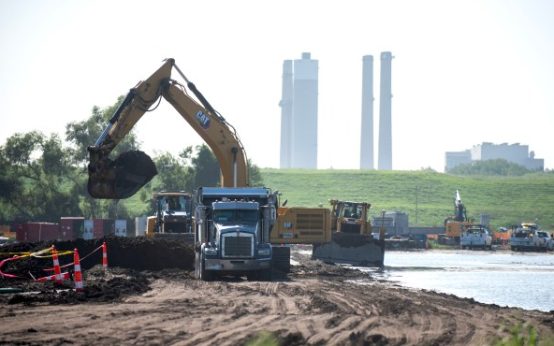 EPA Dismantles Greenhouse Gas Rules, Causing Concern
 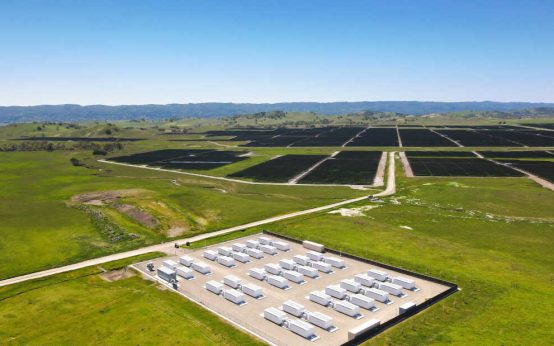 How Battery Innovations Transform Renewable Energy
  Data Centers Stir Controversy in Texas Amid Growth Boom
 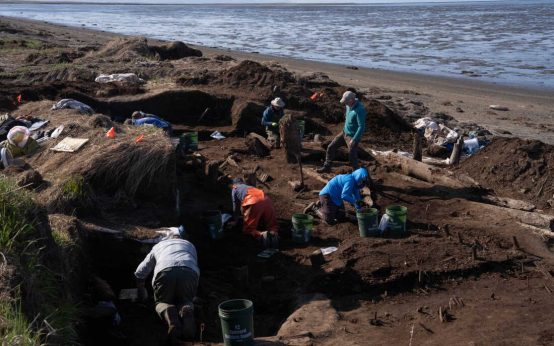 Urgent Archaeological Efforts in Quinhagak Stay Ahead of Erosion
  Concerns Rise Over NIPSCO Permit In Jasper County
  Reader Reactions on Grizzlies and Data Centers