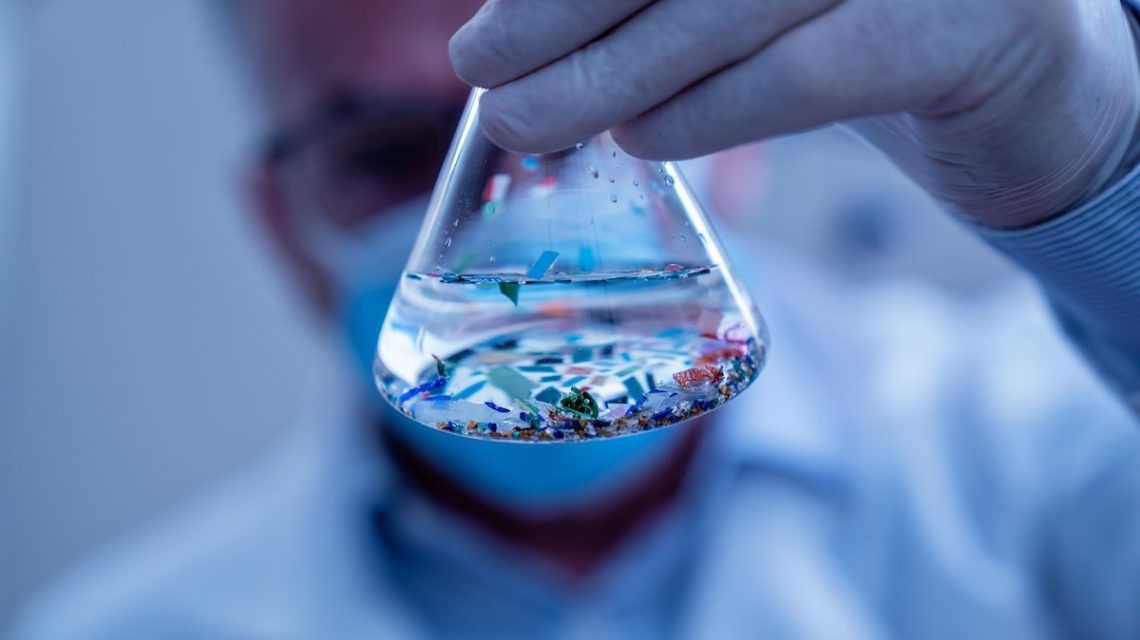
Recent research indicates that patients experiencing severe heart attacks may have significantly higher levels of micro- and nanoplastics in their blood compared to those with stable heart conditions. Italian researchers conducted a study involving 61 patients undergoing angiograms, revealing interesting results.
Nearly 84% of individuals suffering from active, severe heart attacks had detectable micro- and nanoplastics in their bloodstream. In contrast, plastics were detected in 40% of patients with chronic heart disease and just 32% of those with normal coronary arteries.
Polyethylene, commonly found in plastic bags and bottles, was present in 97% of patients who tested positive for microplastics.
The study, led by Dr. Raffaele Marfella of the University of Campania Luigi Vanvitelli, was published in the European Heart Journal. Findings show that patients with severe heart attacks were considerably more likely to have micro- and nanoplastics in their blood than those with stable heart conditions or healthy arteries.
Michelle Routhenstein, a preventive cardiology dietitian, highlighted the results stating, “The findings highlight the importance of considering environmental factors in heart disease.” However, she emphasized the need to view these findings within the broader context of environmental health hazards.
Dr. Routhenstein also pointed out that while previous research detected microplastics in arterial plaque, there are limitations to the study. It was observational and involved a relatively small sample from one country, meaning broad applicability requires caution.
The research also identified a history of smoking as the strongest predictor of plastic particles in the blood. “Factors like smoking and air pollution, associated with cardiovascular disease, complicate the data on microplastics,” stated Routhenstein.
Experts suggest practical steps to minimize microplastic exposure, such as using glass or ceramic containers instead of plastic for food storage and heating.
Routhenstein advises reviewing regular sources of microplastic exposure and making beneficial swaps. For instance, choosing reusable containers and limiting the use of plastic water bottles can be effective measures.
Ultimately, she advocated that reducing plastic exposure should form part of a broader heart-healthy lifestyle approach.
Khloe Quill is a lifestyle writer who contributes to Fox News Digital on topics including food, travel, and health.
 Managing Distress: Insights and Techniques
  Best Practices for Safe Consumption of Fresh Produce
  The Complexity and Prevention of Suicide
  A Journey Through Cancer: Reflections on Diagnosis and Metaphor
  Impact of Sleep Types on Disease Risk
  Understanding School Shooting Preparedness Drills