The conflict between the U.S. and Iran, along with the military operation capturing Venezuelan President Nicolás Maduro, showcases the typical aspects of warfare: soldiers, strategy, casualties, and expenses. However, a novel element has emerged: betting on war. In 2026, over a billion dollars were wagered online on military decisions and outcomes. Much like betting on sports or award show winners, global bettors speculated — some with suspiciously precise information — on attack timings and the fate of leaders. This has introduced a new category of insider trading.
Historically, wars have enticed profiteers, but never like this. Under the cover of darkness, U.S. Special Operations forces captured Nicolás Maduro on January 3. He was brought to the U.S. to face charges of drug trafficking and narco-terrorism. But Maduro wasn’t the only person facing charges. U.S. Army soldier Gannon Ken Van Dyke, involved in the Venezuela mission, was charged in April for using classified intelligence to place strategic bets.
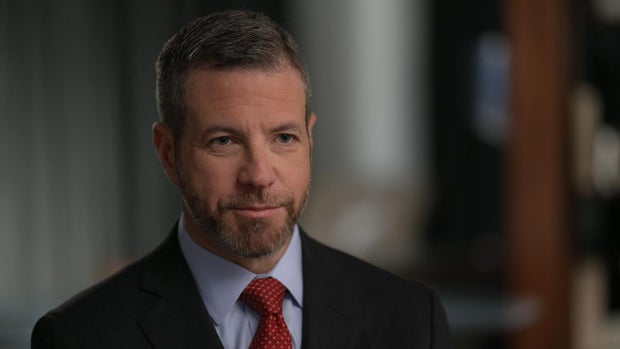
Rob Schwartz, a lawyer, once with the Commodity Futures Trading Commission, stated, “If the allegations are true, this is one of the worst betrayals of trust in this area.” Jon Wertheim expressed the unprecedented nature of a soldier using classified information to trade. Van Dyke allegedly placed bets totaling about $34,000 just before the raid, netting over $400,000 in profit. He tried deleting his betting account on Polymarket, the world’s largest online prediction market, but ultimately pleaded not guilty. Polymarket cooperated with law enforcement.
Rob Schwartz highlighted the similarities between insider trading in corporate contexts and the military bets. Schwartz remarked on the new form of insider trading, evidenced by its rise in prediction markets like Polymarket, where wagers on future events occur. Military conflict bets have gained popularity, with insiders allegedly betting on outcomes based on non-public information.
Michelle Kendler-Kretsch, from the Anti-Corruption Data Collective, studied Polymarket bets on military outcomes, noting long-shot wagers often win. Military bets had a 52% success rate compared to 7% for sports wagering, suggesting systemic insider trading. Nicolas Vaiman, analyzing trades in Paris, found clusters of bettors winning extensively, with one group earning $2.4 million. Such high win rates usually indicate insider access.
David Kovel, a former commodities trader now representing fraud victims, noted suspicions in traditional markets. On March 23rd, weeks into intense fighting, $800 million in oil futures were placed, anticipating a price drop. Moments later, President Trump tweeted promising discussions with Iran, causing oil prices to plummet, leading to potential earnings of tens of millions.
Emanuel Fabian, a journalist, faced threats over his reporting on an Iranian missile strike. His article voided losing bets worth millions, prompting intense backlash. Polymarket banned accounts involved in these threats, emphasizing their commitment to addressing suspicious activity. The Commodity Futures Trading Commission (CFTC) oversees such matters, yet enforcement has decreased significantly. Led by Michael Selig, they plan to utilize AI technology for improved oversight.
The White House recently warned staffers about the criminal nature of using nonpublic information for market predictions. Experts worry today’s insider trading could become a national security threat. As irregular trades get noticed, adversaries might adjust their strategies. Federal prosecutors have charged more individuals since May, including a Google software engineer profiting from insider information. The engineer plans to plead not guilty.
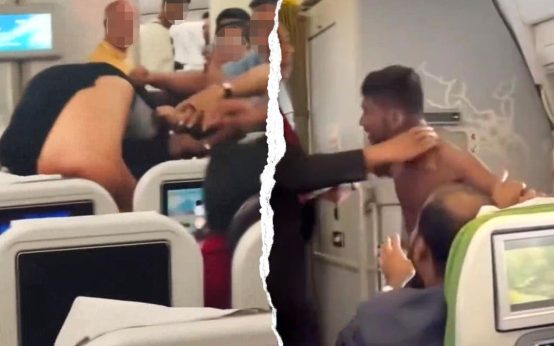 Midair Altercation on Bangladesh to London Flight
 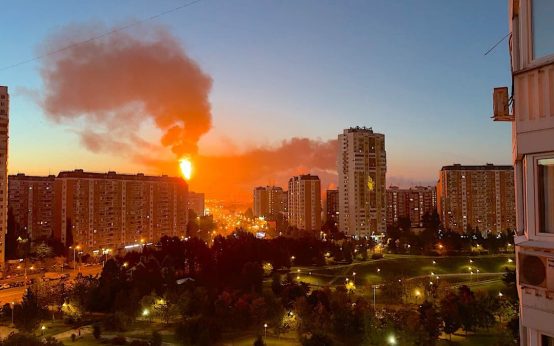 Ukraine Missile and Drone Barrage Hits Russia Amidst Elections
  U.S. Strategic Goals Remain Unmet Amid Prolonged Conflict
  New Photos Reveal Damage from Iranian Strikes in the Middle East
  Assassin of Chilean Diplomat Orlando Letelier Faces Deportation 50 Years After Assassination
  Gorillaz and Macklemore Respond to Controversy Over Israel-Palestine Statements