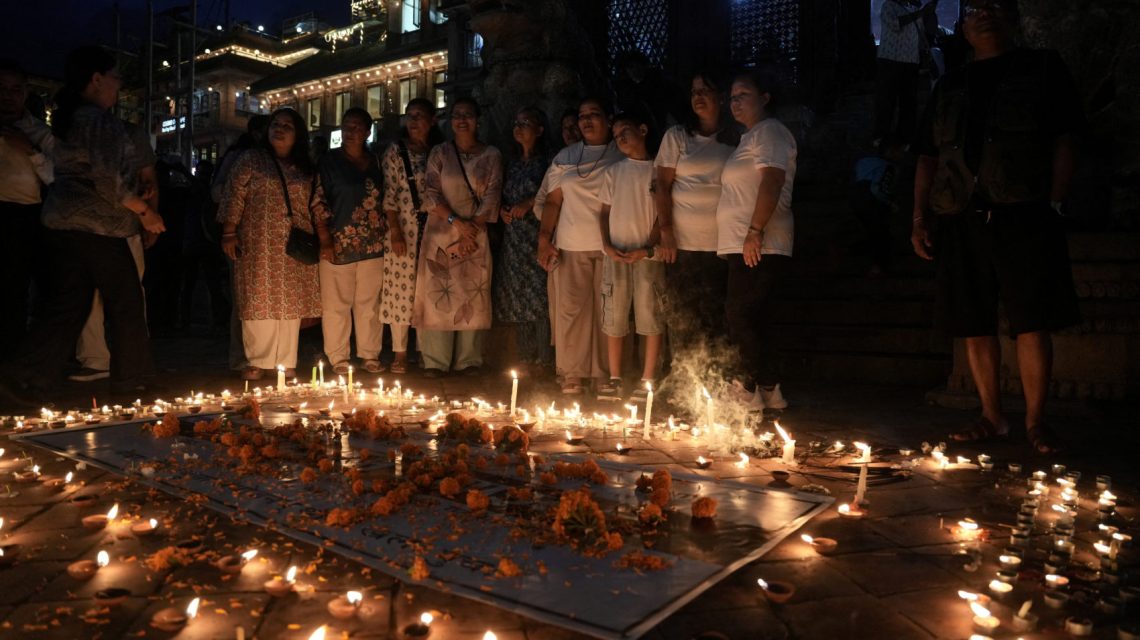
Nepal observed a national day of mourning on Monday in remembrance of those who lost their lives in the catastrophic floods that occurred on August 26. Flags were lowered at government offices as a mark of respect while families completed mourning rituals.
The disaster claimed more than 1,300 lives in Nepal and Tibet, leaving around 5,000 people missing, including foreign nationals, according to the country’s disaster management agency.
Mourning Traditions and Rituals
In Nepal, a country with a predominantly Hindu population, mourning periods traditionally last 13 days. During this time, close family members remain at home, and relatives visit to express condolences. On the final day, various rituals are conducted to pray for the souls of the deceased. Despite the absence of their loved ones’ bodies, several families performed symbolic funerals, finding some solace in fulfilling these important traditions.
“Cremation holds spiritual significance in Hinduism, and even symbolic rites offer families spiritual relief,” said concerned residents.
The government recognized Monday as an official day of mourning, ordering flags at half-staff. Butter lamps and candles were lit in Basantapur Durbar Square in Kathmandu as a tribute to the victims of the disaster.
Search and Rescue Efforts Continue
Search operations are ongoing, though concerns over inadequacies have been raised. Crowds gathered near governmental offices in Kathmandu, urging accelerated efforts, particularly for those who were present at hydropower plants during the floods.
Families of the missing shared their anguish. Sumana Shrestha, holding a picture of her husband, described her hope for a miracle. Her husband was a consulting geologist at the Trishuli hydropower plant. The site was completely buried in debris.
Another protester, Mahesh Prasad Shrestha, expressed frustration with the response. He noted that an excavator was deployed late, suggesting that larger helicopters from neighboring countries could have expedited equipment arrivals.
Ongoing International Assistance
Candlelight vigils took place across Kathmandu to honor the deceased. Rescue operations have targeted 12 hydropower projects, involving about 900 workers still missing; approximately 500 are believed trapped in tunnels. International teams from India, China, South Korea, and the United States are participating in coordinated searches.
Recent rescues reported include two Nepalese workers from a plant on Friday and a Chinese national on Saturday, giving families a glimmer of hope amid the tragedy.
In moments of crisis, supporting informed journalism is vital. It sustains civil dialogue and upholds democratic values.
 Inside the Secret Deals Powering the President’s Push to Deport Migrants to Countries Not Their Own
  Navigating the Challenges of Third-Country Deportations
  Midair Altercation on Bangladesh to London Flight
 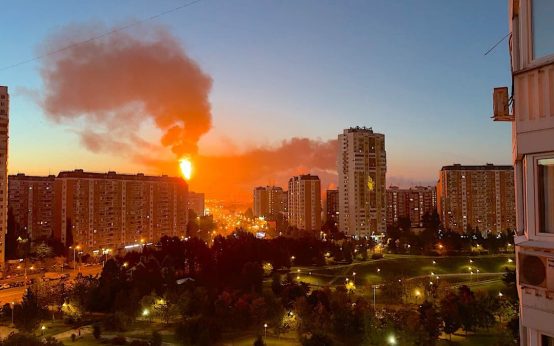 Ukraine Missile and Drone Barrage Hits Russia Amidst Elections
  U.S. Strategic Goals Remain Unmet Amid Prolonged Conflict
  New Photos Reveal Damage from Iranian Strikes in the Middle East