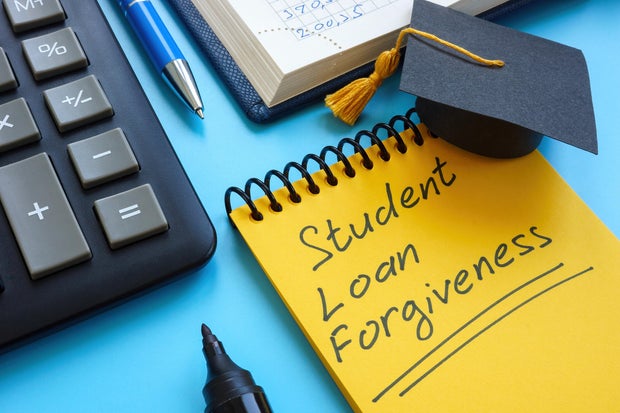
The federal student loan landscape has shifted dramatically over the past year due to new legislation. These changes have reshaped repayment options and altered longstanding programs. Added legal challenges contribute to the uncertainty within the student loan relief system.
This uncertainty particularly affects those seeking Public Service Loan Forgiveness (PSLF). The PSLF program has provided a pathway to loan forgiveness for teachers, nurses, government employees, and many nonprofit workers. Recent policy changes have raised questions about who qualifies, which repayment plans count, and whether current borrowers should adjust their strategies.
Who Qualifies for Public Service Loan Forgiveness in 2026?
PSLF offers forgiveness of the remaining balance on eligible federal Direct Loans after qualifying monthly payments are made. This requires the borrower to work full-time for a public service employer. However, meeting the basic criteria involves several specific requirements.
Borrowers with Eligible Public Service Employers
Employment is key to PSLF eligibility. Qualifying employers include:
- Federal, state, local, or tribal government agencies
- Public schools and colleges
- Eligible 501(c)(3) nonprofit organizations
- Other nonprofits providing qualifying public services
The Department of Education’s PSLF Help Tool can assist borrowers in verifying employer eligibility.
Borrowers with Eligible Federal Loans
Only federal Direct Loans typically qualify for PSLF. Borrowers with older loan types such as Federal Family Education Loan (FFEL) Program loans or Perkins Loans usually need to consolidate into a Direct Consolidation Loan for payments to count. Note that consolidation may impact previous payment history.
Borrowers Making Qualifying Monthly Payments
To qualify, borrowers generally need to make 120 qualifying payments under an eligible repayment plan while maintaining qualified employment. Historically, income-driven repayment plans have played a role, but the standard 10-year plan may also be applicable.
Newer borrowers, those with loans from after July 1, 2026, must follow different repayment rules. The new Repayment Assistance Plan (RAP) is necessary for these payments to count towards PSLF.
Borrowers Who Properly Certify Their Employment
Regularly certifying qualifying employment can prevent future issues. Submitting employment certification allows the Department of Education to update payment counts and highlight issues early.
Borrowers Whose Employers Remain Eligible
Recent regulations impacting employer eligibility must be monitored, especially by those working for nonprofits. These rules have faced legal challenges, so guidance should be reviewed if your employer is affected.
Other Options for Managing Student Loan Debt
Not all borrowers will qualify for PSLF, but several strategies can help reduce or manage student loan costs.
- Income-driven repayment plans: These tie payments to a borrower’s income and may provide suitable options under the revised plans from the past year.
- Loan consolidation: Useful for converting older loans to Direct Loans, but it can affect payment histories, so consider impacts carefully.
- Temporary relief: Options such as deferment or forbearance may provide temporary relief for financially struggling borrowers.
- Refinancing: For those with strong credit and stable income, using a private lender might secure a lower interest rate. This step forfeits federal benefits, so weigh it with caution.
Public Service Loan Forgiveness remains a valuable benefit in 2026. Eligibility hinges on various factors beyond employment in public service, including appropriate loans, repayment plans, and documentation. As policies evolve, staying informed and proactive is crucial for reaching loan forgiveness.
 Nikole Hannah-Jones Reflects on Educational Choices for Her Daughter
  The Rising Trend of GLP-1 Medications Among College Students
  Seton Hall National Security Graduate Fellowship Provides Hands-On Experience
 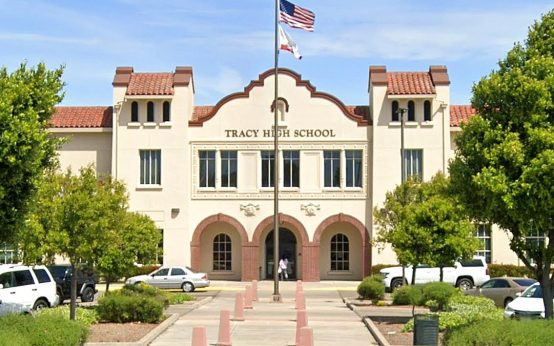 California High School Coach Arrested Over Secret Recording in Locker Room
  Student’s Coffee Incident Sparks Policy Review in New York School
  Hillcrest High School’s Academic Success in 2026-27