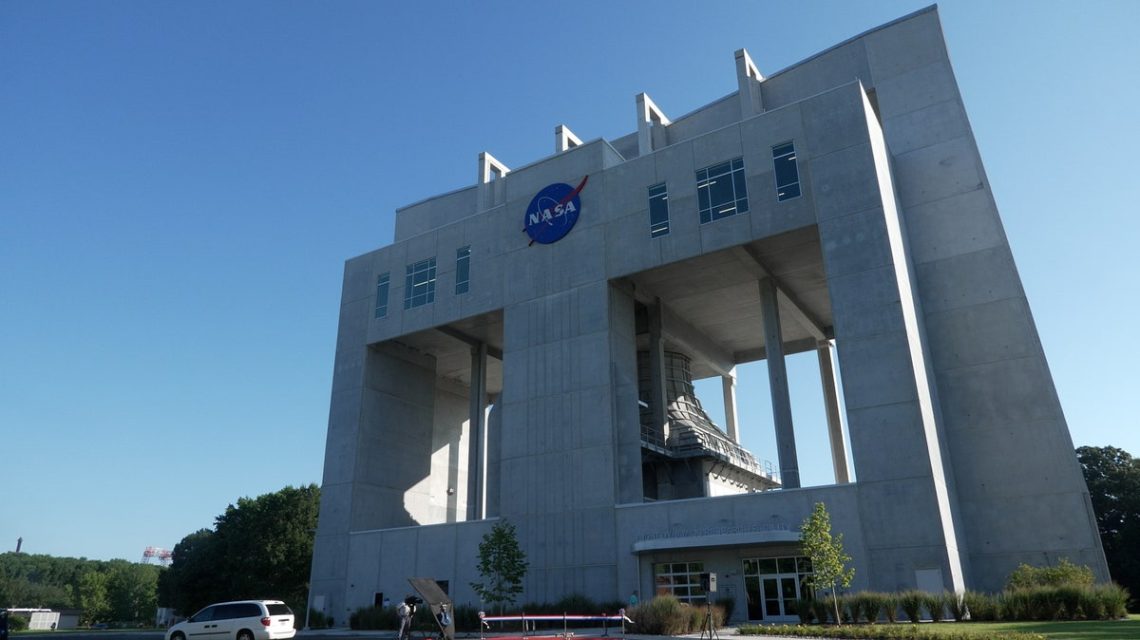
The National Aeronautics and Space Administration (NASA) has inaugurated its first major new wind tunnel in over four decades, marking a significant step forward in aviation and space exploration research. Located at Langley Research Center in Hampton, Virginia, the Flight Dynamics Research Facility serves as a modern testing ground for future aircraft and space missions.
The opening of the Flight Dynamics Research Facility represents a significant advancement for NASA and for the nation,” said Dr. Trina Dyal, NASA Langley center director. “By bringing modernized testing capabilities under one roof, we are enabling transformative research that will ensure the United States remains at the forefront of aeronautics and exploration.”
This advanced tunnel, developed through collaboration with the US General Services Administration, supersedes two long-standing facilities that had been operational for over 80 years. This initiative forms part of NASA’s larger strategy to upgrade its infrastructure and curtail the costs associated with older facilities. The project’s aim is to allocate resources towards next-generation capabilities essential for meeting contemporary and future missions.
The opening ceremony at NASA’s Langley Research Center featured industry leaders, government officials, and community members. Attendees had the opportunity to tour the state-of-the-art 25,000-square-foot facility, which boasts a vertical test section with dimensions of 20 feet in diameter and 24 feet in height, capable of producing wind speeds up to 117 mph.
According to Giovanny Guecha, technical lead for NASA’s Dragonfly parachute decelerator system, this wind tunnel greatly enhances the ability to test stressful conditions closer to the conditions on Venus, with wind speed capabilities almost ten times greater than previous setups.
The tunnel’s operation relies on four 750-horsepower motors, each connected to a 14-foot-diameter, eight-blade fan. The carbon-fiber blades provide engineers with the ability to quickly modify airflow during testing, which is crucial for simulating flights at various altitudes.
The wind tunnel will play a vital role in testing technologies for future exploration of Venus and Titan, as well as missions to the moon and Mars. It will also examine scale models of vehicles traversing atmospheres, including spacecraft returning to Earth.
Facility manager David Storch highlighted the tunnel’s importance, stating, “This facility will absolutely have a role in every future space mission, anything that has to come back to Earth.”
The new facility offers NASA and its collaborative partners an essential resource for verifying the safety and performance of future aircraft, rockets, space-exploration vehicles, drones, and autonomous flight systems.
Amy Galo, Multimedia Reporter at FOX News, based in Orlando, Florida, contributed to this report.
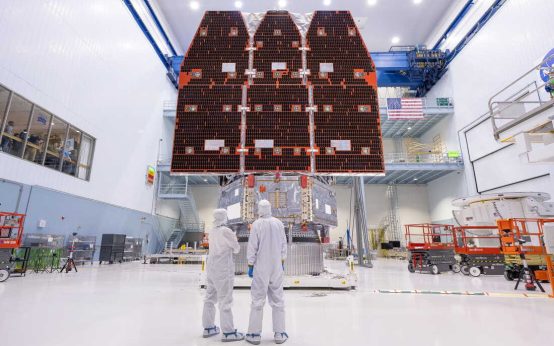 NASA’s Challenges Amid Goddard Space Flight Center Relocations
  Lost City Linked to Jesus Discovered Near the Sea of Galilee
  NASA’s Launch of the Nancy Grace Roman Space Telescope
 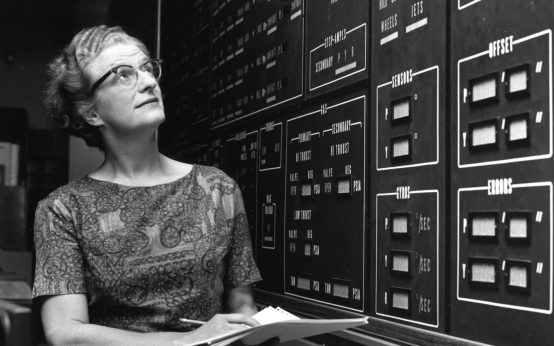 NASA Launches Nancy Grace Roman Space Telescope to Explore Universe’s Mysteries
 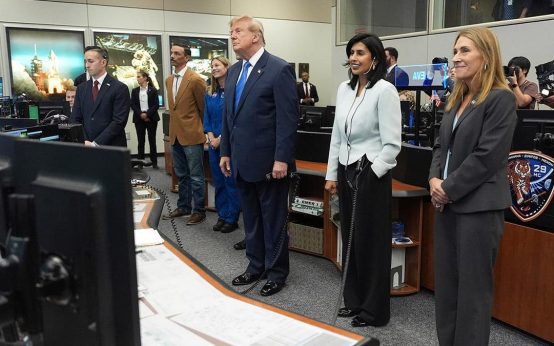 Trump Engages with Astronauts and Honors Artemis II Crew
  NASA’s Nancy Grace Roman Telescope Prepares for Launch