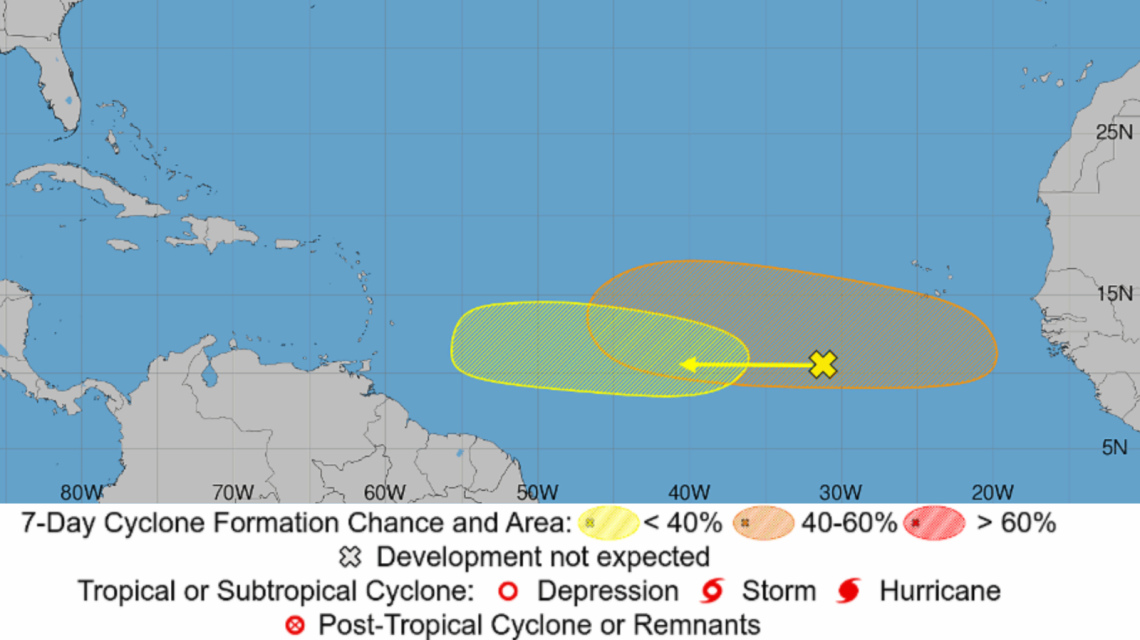
The National Hurricane Center (NHC) is keeping a close watch on five potential tropical development areas across the Atlantic and Pacific oceans. Included in this are two tropical waves in the Atlantic basin which have the potential to evolve into tropical depressions as the 2026 hurricane season intensifies. While no tropical cyclones are currently active, a collection of disturbances is being observed ranging from Africa’s coast to areas east of Hawaii. The NHC states that one Atlantic disturbance has a 40% likelihood of evolving over the next week.
Two Atlantic Systems Under Watch
According to the NHC’s Atlantic Tropical Weather Outlook, a broad area of showers and thunderstorms tied to a tropical wave is situated a few hundred miles southwest of the Cape Verde Islands near Africa’s west coast. This system is moving westward through the central tropical Atlantic, with potential gradual development expected in the early to mid-week. However, forecasted upper-level winds are anticipated to become less conducive for further development as the disturbance nears the Lesser Antilles. This system currently has a near-zero chance of formation over the next 48 hours and a 20% chance in the upcoming week.
Forecasters are also examining another tropical wave set to move off Africa’s west coast soon. Environmental conditions may favor its development, and a tropical depression could form later in the week as this system progresses westward through the eastern and central Atlantic. Presently, this disturbance holds a 40% chance of development within seven days.
Three Additional Pacific Threats
In the Eastern Pacific outlook, three areas are under evaluation for development. A significant tropical wave is located over 1,000 miles east-southeast of Hawaii, characterized by a wide area of disorganized showers and thunderstorms. The NHC expects a tropical depression within days due to movement west-northwest across the Central Pacific, with a development chance of 90% over the week.
Another disturbance southwest of the Baja California Peninsula has a 50% chance of formation in the next week, and a third low-pressure area forecast to develop off Mexico’s southwestern coast has a 10% chance.
Will Any of Them Hit Land?
Current Atlantic systems remain deep in open ocean, while Pacific disturbances are expected to continually move either westward or west-northwestward over open waters. As none of these systems have established a well-defined circulation, forecast accuracy regarding track and intensity remains uncertain.
Why It Matters
The rising number of tropical disturbances indicates that the Atlantic hurricane season is becoming more active. Historically, August signifies a considerable rise in tropical activity, peaking in early September. Although none of the current systems pose an immediate threat to the U.S., meteorologists pay close attention to tropical waves from Africa due to their potential to evolve into tropical storms and hurricanes across the Atlantic, according to The Weather Channel. Currently, the tropical wave from Africa and the Central Pacific disturbance east-southeast of Hawaii are regarded as the most probable candidates for forming the next tropical depressions.
 Malibu Residents Confront Fire Challenges with Community Spirit and Resilience
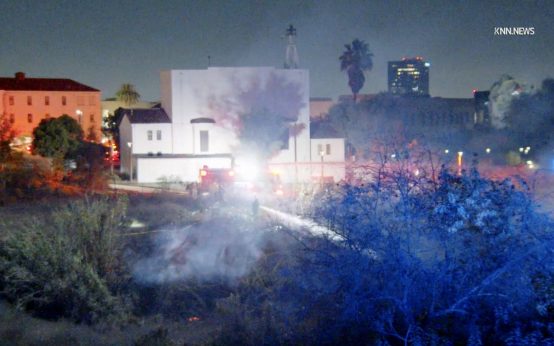
  Rapidly Spreading Fire Burns in Malibu
  Precautions Amid Southern California’s Challenging Weather Conditions
 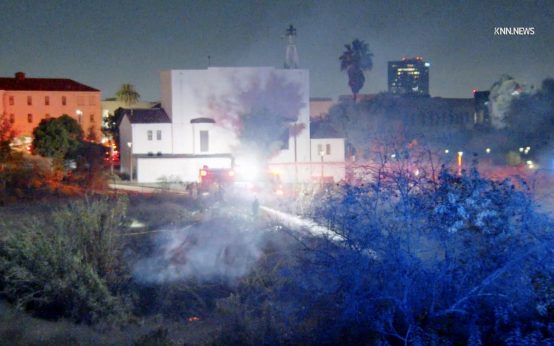 Santa Ana Winds Threaten Southern California with High Fire Risk
 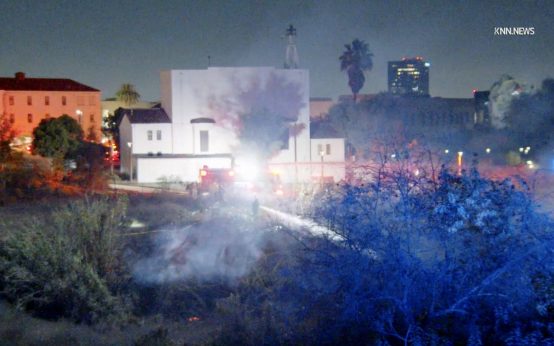 Southern California Faces Santa Ana Winds and Increased Fire Risk
  Historic Preservation Under Threat: Changes to National Law Stir Concerns