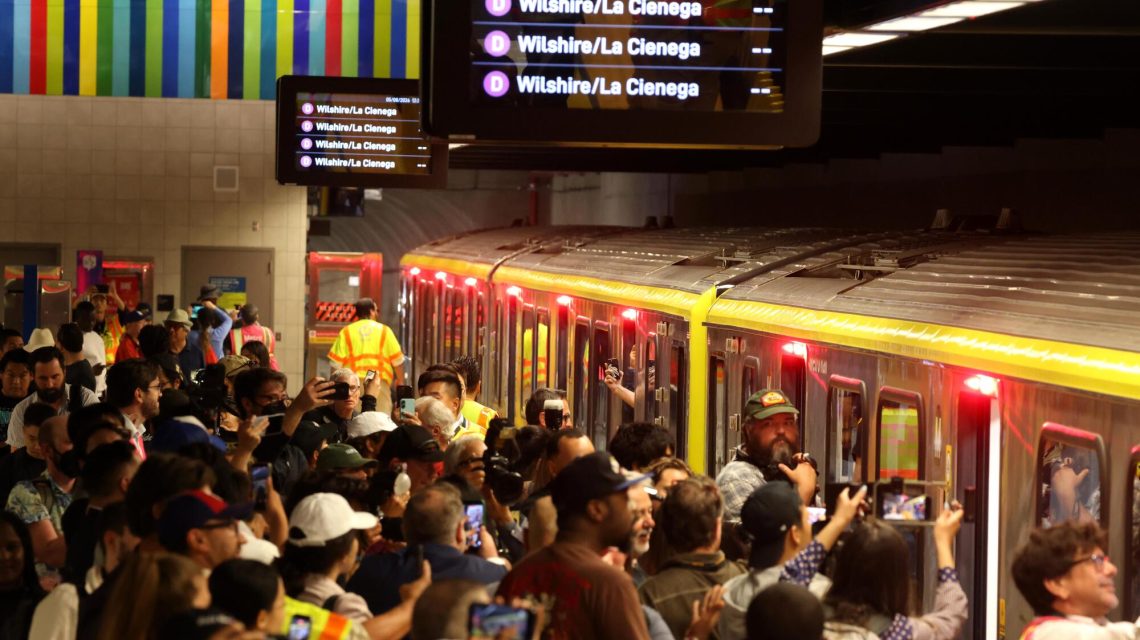
The long-awaited Westside subway extension in Los Angeles has finally made a substantial impact with the new Metro D Line reaching beyond Wilshire/Western to three new stations: Wilshire/La Brea, Wilshire/Fairfax, and Wilshire/La Cienega. This progress marks the first western stretch of a project that began in the 1980s and offers both benefits and challenges.
Connecting the City
Although not completely transformed, Los Angeles feels more interconnected with these new additions. The seemingly endless cityscape with its congested roads and bureaucratic stagnation feels a bit more navigable. These stations offer a more cohesive transportation experience, where art, architecture, and infrastructure seamlessly blend to enrich the Metro’s visual appeal.
Underground, the integration of art into station design is clear. Pieces are not merely decorative but structural, enhancing the experience as commuters descend to catch their trains. This approach builds on the L.A. Metro Art program, which has been successful in incorporating over 200 artworks into the transit system.
The Architectural Approach
In past decades, stations like the Santa Monica/Vermont station showcased dramatic and unique designs, combining art and architecture with flair. However, older stations often lacked consistency in comfort and usability. The new designs maintain arts integration but focus on coherence and a human-scaled experience.
At the Wilshire/La Brea station, Eamon Ore-Giron’s “Infinite Landscape: Los Angeles Para Siempre” serves as a striking example of this blend. Artistic elements reference local architecture while harmonizing with station features.
The Surface Challenge
Despite these improvements below ground, the story above is different. Station plazas appear barren and lack inviting spaces for public gatherings, likely as a precaution against urban issues such as homelessness. These areas miss the opportunity to truly welcome civic life.
Even so, public activity finds ways to thrive. At Wilshire/Fairfax, a dance class used available shade, illustrating potential for civic interaction if spaces were designed to accommodate such activities more effectively.
Service Limitations
Service irregularities remain an issue. Trains, while not overly crowded, do not run frequently enough to encourage regular use. The absence of convenient parking and poor last-mile solutions further deter potential riders who may have other transportation options.
While these problems persist, significant progress has been made. The new D Line stations serve some of L.A.’s busiest areas, creating a spine for metropolitan connectivity that suggests a future of connected neighborhoods and reduced reliance on cars.
The Path Ahead
Metro’s success in underground design presents an opportunity to rethink city space above ground. The question now is whether Metro can effectively partner with various stakeholders to ensure these stations do more than serve as transit hubs but become vibrant public spaces themselves.
As the underground infrastructure advances, the surrounding city still must evolve to match this progress, encouraging artful integration and community-oriented development.
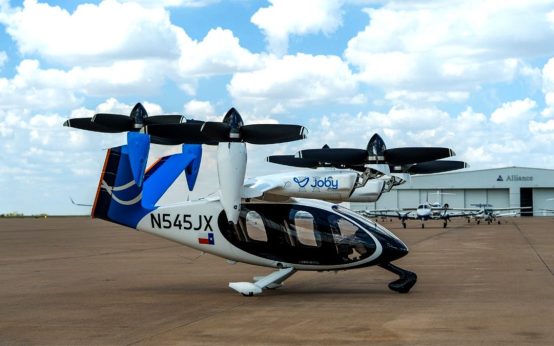 Texas Leads Air Taxi Innovation with Project Nexus
  AI and the Changing Nature of Google Searches
  Debate Intensifies Over AI Development Amid Presidential Remarks
 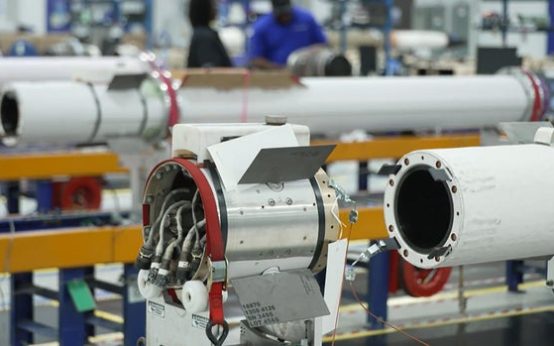 Challenges and Innovations in U.S. Defense Production
  The Role of Stablecoins in Modernizing Banking
  Food Delivery Robots on the Rise in Washington D.C.