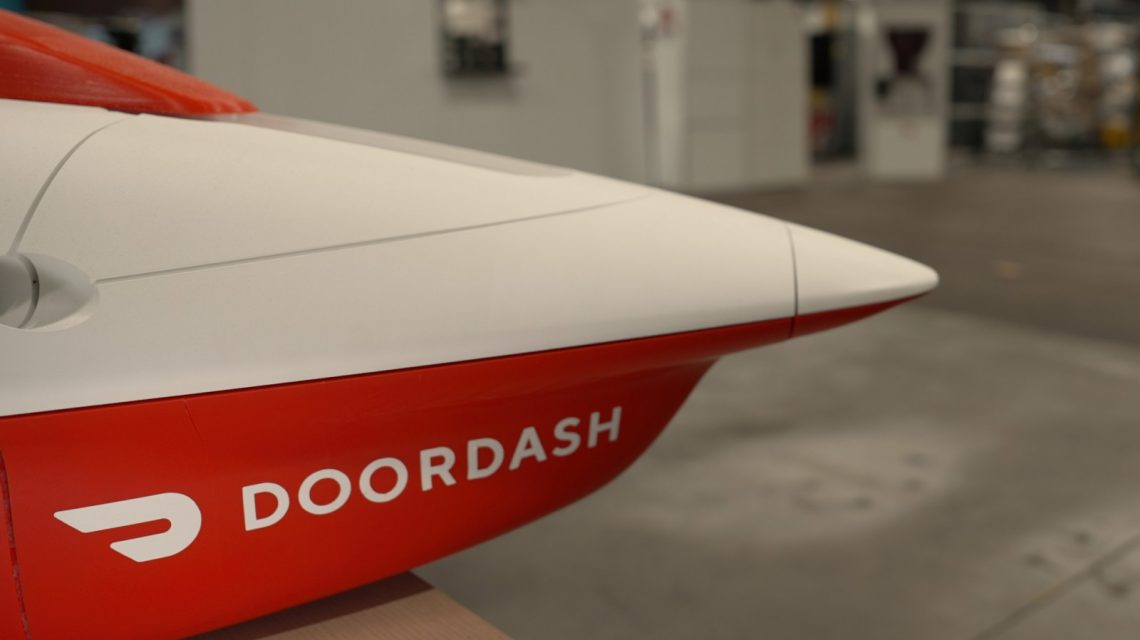
DoorDash’s exploration into drone delivery may transform the logistics of reaching customers. It could also create new job opportunities requiring skills in aviation and robotics, areas not usually associated with food delivery. This week, DoorDash revealed its new initiative, DoorDash Air, after receiving an FAA Part 135 certification. This certification allows the company to operate its in-house drone delivery program developed by DoorDash Labs, its robotics division.
Although DoorDash is the eighth company in the U.S. approved for drone delivery, the FAA states operations cannot commence immediately. Before flying, DoorDash must ensure FAA approval of their aircraft and operational plans. The company has not announced an official start date for these operations.
Growth of Drone Delivery and Job Creation
Questions arise regarding automation’s impact on human couriers with drone delivery’s expansion. DoorDash claims it will not replace Dashers but instead create more delivery opportunities. They aim to grow in food delivery and other categories like electronics and cosmetics.
Previously partnering with companies like Wing and Flytrex, DoorDash now plans to build its own drones and delivery infrastructure. By 2025, over 20% of DoorDash orders possibly travel three to five miles, areas targeted by drone delivery to improve efficiency.
Drones are not meant to replace Dashers in complex tasks, such as ID verification for alcohol deliveries or multiple-stop orders. DoorDash’s strategy aims to position them as both a marketplace and a regulated drone network operator.
Shifting Job Requirements
This shift from traditional delivery jobs to more specialized roles marks a significant change in employment opportunities. DoorDash is hiring for roles in robotics, hardware, and operations management. Unlike gig delivery roles, these positions require expertise in managing drone operations and regulatory compliance.
As technology advances, jobs may transform rather than disappear. DoorDash expects drones to complement human drivers, emphasizing new roles and potential training for Dashers as operations develop.
Dashers’ Role and Future
DoorDash assures that Dashers will continue handling most deliveries, focusing on larger orders or complex routes. Routing three-to-five-mile deliveries to drones enables Dashers to concentrate on quicker, more numerous short trips. There is no plan for workforce reductions due to drones, though exact future delivery ratios remain unspecified.
DoorDash’s experience with Dot, its sidewalk-delivery robot, supports this approach. Initial tests in Arizona showed no negative impact on Dasher pay, and some merchants reported increased order volumes.
The emergence of drone delivery presents debates on automation’s impact on employment, while DoorDash sees it as increasing capacity and opportunity. DoorDash, like other companies, views drones as an addition to a larger network.
Global Progress in Drone Delivery
Before DoorDash’s approval, seven operators achieved FAA certification under Part 135. These early companies include Wing Aviation, UPS Flight Forward, Amazon Prime Air, Zipline International, Causey Aviation Unmanned, DroneUp, and Drone Express. These approvals began in 2019.
Globally, commercial drone delivery is advancing quickly, especially in countries like China and Australia. Meituan, a Chinese company, began operations in Shenzhen in 2021 and expanded to other cities, including international authorization in Dubai. This international momentum indicates a swift evolution in drone delivery.
Before commercial operations in the U.S., companies like DoorDash need regulatory approval for their aircraft and operational plans. Specialized skills in robotics and aviation may become more common in delivery work. Despite potential shifts, DoorDash remains optimistic about the technology’s ability to increase opportunities.
 Experts Warn Against Alarmism in AI Governance
  AI and the Changing Nature of Google Searches
  Data Centers Stir Controversy in Texas Amid Growth Boom
  The Technology Rivalry: Trump’s Meeting with Xi and the AI Ecosystem Clash
  Ways to Protect Your Finances from Cyber Threats
  Interview with Nvidia CEO Jensen Huang: AI Outlook and Business Strategy