A lawsuit has been filed against Anthropic, OpenAI, SpaceXAI, and Google, accusing them of making an illegal deal to slow down their AI development. The case, lodged in the U.S. District Court for the Northern District of California, claims that these leading AI firms violated antitrust laws by coordinating efforts to decelerate advancements, potentially lowering the value consumers receive from their paid AI subscriptions.
The coordination reportedly took place on September 12, as stated in the lawsuit, when Anthropic CEO Dario Amodei published an essay advocating for industrywide cooperation to slow down developments for enhanced safety measures. Amodei expressed concern about the possibility of rogue AI agents taking control over the internet in just six months, urging AI companies to proceed with caution. In his blog post, he proposed a three-point plan with the objective of ‘pacing the frontier.’
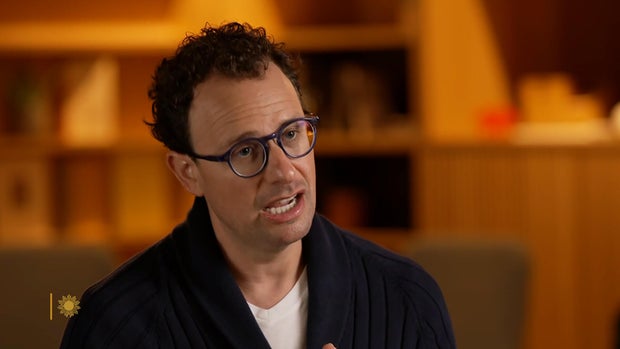
‘I didn’t fully appreciate how rapid the progress would be,’ Amodei mentioned in an interview with CBS senior business and technology correspondent Jo Ling Kent on ‘CBS News Sunday Morning.’
The lawsuit notes that Amodei’s counterparts, OpenAI’s Sam Altman, SpaceXAI’s Elon Musk, and Google DeepMind’s Demis Hassabis, confirmed their agreement on the same day. Plaintiffs in the case argue that ‘antitrust laws do not permit competitors to decide among themselves that competition is too dangerous.’ The plaintiffs represent a proposed nationwide class of subscribers to services such as ChatGPT, Claude, Grok, and Gemini.
Lead attorney Nick Rowley stated, ‘AI will quickly spin out of human control and could pose existential risks if we allow AI safety and protocols to be governed by private agreements between powerful technology companies.’
While representatives from Anthropic, OpenAI, Google, and SpaceXAI have not yet responded to requests for comment, Amodei acknowledged the potential antitrust issues in his initial essay. He suggested that government involvement might be necessary to mediate these cross-lab discussions, or at least enable them, emphasizing that a narrow waiver would be helpful for specific safety conversations.
Amodei is hopeful about the situation, noting in his CBS News interview, ‘If we build in the right way, the likelihood of a negative outcome is very low. However, if built improperly, the probability of negative outcomes is high.’
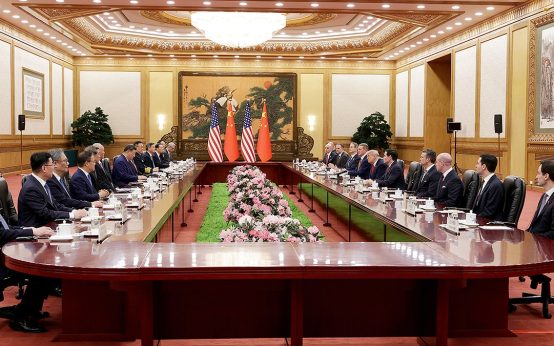 The Technology Rivalry: Trump’s Meeting with Xi and the AI Ecosystem Clash
  Ways to Protect Your Finances from Cyber Threats
  Interview with Nvidia CEO Jensen Huang: AI Outlook and Business Strategy
  Concerns Rise Over Addictive Design of Sports Betting Apps
  Seton Hall National Security Graduate Fellowship Provides Hands-On Experience
  Concerns of AI Experts