Consider the ideal immigrant from the perspective of the MAGA movement: one who arrives legally, secures a job before crossing, and departs when the work concludes. This concept may soon take form in Russia. The Russian Interior Ministry has proposed a rigid system to tackle labor shortages.
Russian companies can reach out to a state-run service, allowing specialists to recruit foreign workers. Once contracts are in place, these workers enter the country. They live in specified housing and get transported to and from work by their employers. Once their contracts end, they return home.
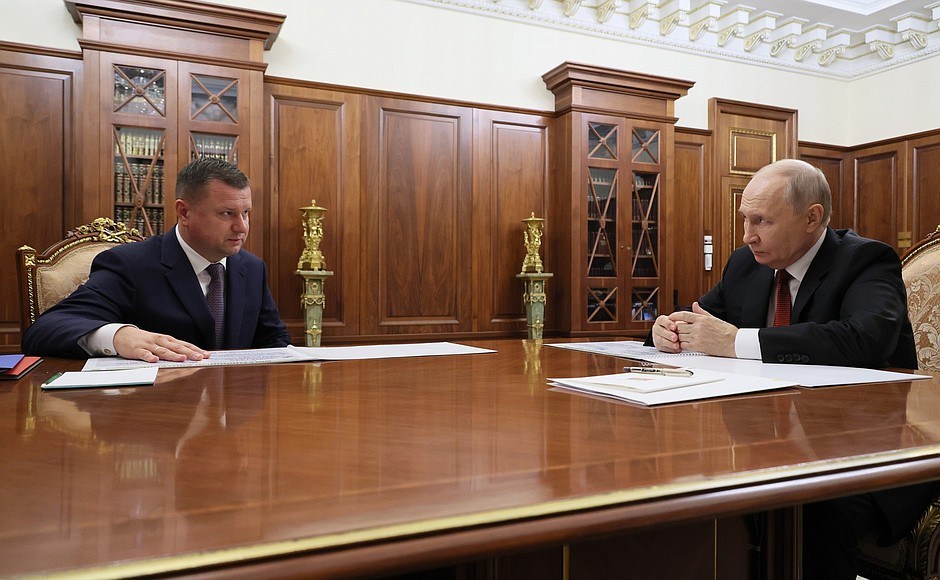
In a meeting with President Putin, Andrei Kikot, Russia’s first deputy interior minister, described the model. Putin termed it a “civilized method.” It raises questions about whether the U.S. might agree.
Labor Needs and Responses
The U.S. faces a labor crisis partly mitigated by immigrant workers. The Trump administration, despite efforts to limit immigration, allowed 64,716 additional H-2B visas in fiscal year 2026. This nearly doubled the usual cap due to American businesses needing foreign labor.
Meanwhile, Russia experiences a historic labor shortage. In May, unemployment was at a low 2.1%. Economic shifts caused by the Ukraine war and military expansions have removed many workers from civilian roles. Additionally, Russia faces a declining population of economically active citizens.
Challenges in Immigration and Labor Laws
Russia struggles with demographic challenges. Despite needing foreign labor, it emphasizes “natural reproduction” for workforce growth. The Russian Duma has passed multiple migration laws since 2024, expelling many foreigners, showing a reluctance to embrace immigration fully.
The Russian proposal aims to eliminate spontaneous migration, focusing on a “home, work, home” model. Employers would temporarily import labor and then send workers back once their employment ends. This proposal awaits approval from the Duma.
Comparing U.S. and Russian Immigration Practices
The U.S. approach is somewhat akin to Russia’s proposed system. H-2 workers arrive for specific roles, and their immigration status is employment-dependent. U.S. employers provide transport and housing, similar to Russia’s model.
However, the American system offers more flexibility. Workers retain legal status for 60 days after losing a job. They can transition to another employer without returning to their home country if procedures are followed.
Conversely, Russia’s stringent system allows little flexibility. Migrant workers face numerous regulations, including potential harsher tax laws starting in 2027.
Policy Changes and Their Impact
Recently, Putin signed legislation imposing higher taxes on migrant workers. New education policies also limit migrant children’s access to schools. Kikot highlighted that these measures reduced nonworking migrants by 20%.
The U.S. also considers changes. The Department of Homeland Security proposed removing the 60-day grace period for many visa categories. For now, this does not affect the H-2 visa program.
 Gorillaz and Macklemore Respond to Controversy Over Israel-Palestine Statements
  Investigation into Lion Deaths in Tanzania
 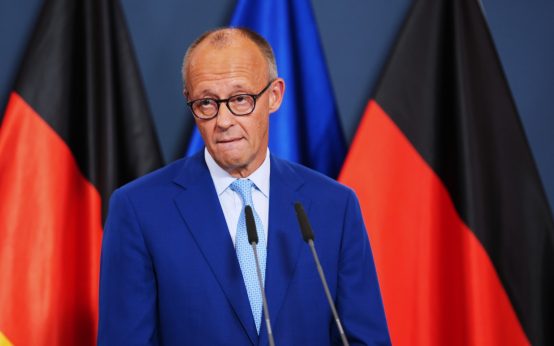 Merz Stays Resolute Amid Electoral Shifts in Germany
  The Impact of Arts and Closure on Democracy
 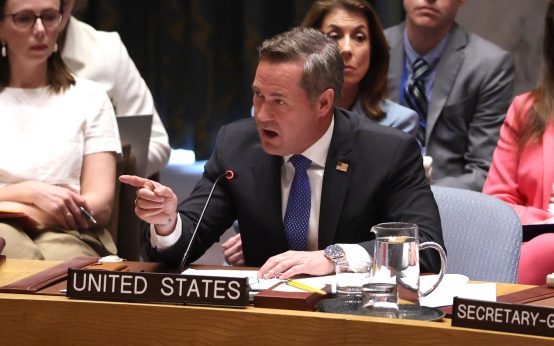 U.S. Ambassador Comments on Iran War Duration Amid Political Concerns
 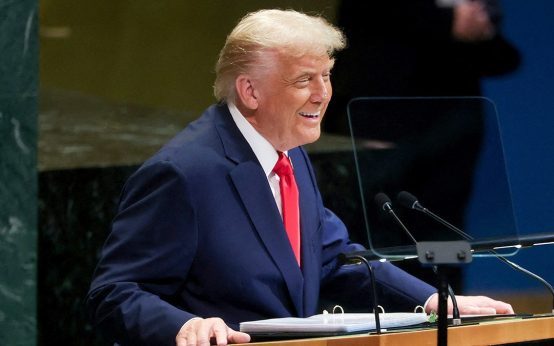 U.S.-Iran Relations and Diplomacy at Upcoming U.N. Assembly