Influence of the Iran War on U.S. Politics
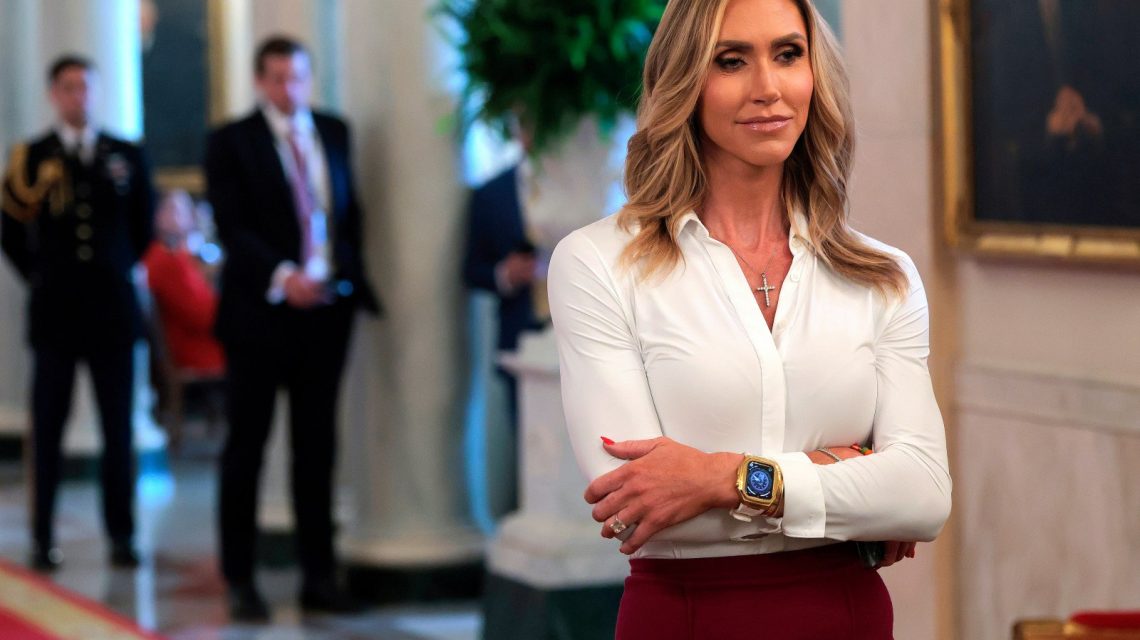
The ongoing conflict with Iran is poised to significantly affect the midterm elections, according to comments made by Lara Trump. In a recent interview with British journalist Harry Cole, Lara Trump expressed that while losing control of both chambers of Congress could be a consequence, it might be an acceptable sacrifice to prevent Iran from acquiring nuclear weapons. She emphasized, “When Iran gets a nuclear weapon, it doesn’t matter who is in charge of the House.” Higher gas prices, a key fallout from the conflict, remain a major voter concern.
Her remarks highlight a departure from the typical messaging of the Trump administration, which typically defends the war’s political viability. Brian Darling, former counsel for Kentucky Senator Rand Paul, echoed her sentiments in Newsweek, suggesting the war’s impact on daily expenses could influence close races in the midterm elections.
Potential Impact on Republican Control
If President Trump can demonstrate progress toward ending the Iran War, he may mitigate some loss of support in crucial races. However, the war presently threatens Republican chances of maintaining Senate control. Despite outreach made by Newsweek for White House comments, the concern among Republicans is palpable.
Lara Trump’s Views on the Iran Conflict
During an appearance on “Harry Cole Saves the West,” Lara Trump shared concerns that the prolonged conflict could impact President Trump’s legacy and the midterms. She perceived Iran’s reluctance to negotiate a deal as a strategic move, anticipating potential advantages from post-election negotiations. Her insights underscore the president’s achievements in the Middle East but acknowledge dissatisfaction with the ongoing war.
Public Opinion on the War
Recent polls indicate a shift in public sentiment against the conflict. An Economist/YouGov poll conducted from September 18 to 21 found 57% of Americans view the war with Iran as misguided, with 61% advocating for a prompt resolution. A Fox News poll from September 17 mirrors this sentiment, noting that 60% felt military action was ill-advised.
While Republican approval was initially robust, it has declined from 68% in April to 53% in September, according to YouGov data. As support wanes, more GOP lawmakers express concerns, and Democratic candidates see improved opportunities to gain Republican seats.
Projections for Control of Congress
Republican leaders, including House Speaker Mike Johnson and Vice President JD Vance, have made appeals for voter support to continue their legislative agenda. However, Lara Trump’s comments suggest that losing congressional control might be a necessary trade-off, contradicting party leaders’ objectives.
The midterms often gauge a sitting president’s popularity, especially when their party controls Congress. Recent polls, such as RealClearPolitics, show Democrats leading Republicans 50.6% to 42.3% in congressional ballots. Polls Max reports a similar lead by 48.9% to 42%.
While the Iran War is a notable factor, issues around cost of living, inflation, jobs, and healthcare also weigh heavily on voter decisions. Kyle Kondik from the University of Virginia Center for Politics told Newsweek, “Overall, Trump’s numbers are worse now than eight years ago. Dissatisfaction with the economy/inflation is probably the biggest reason why.”
 Trump Highlights Long-term Investments Amid Economic Concerns
  New Initiatives Announced by Defense Secretary Pete Hegseth
  Physicians Advocate Against FDA Nominee Heidi Overton
  Democrat Gains Fundraising Edge in Traditionally Republican Texas Areas
  Democrats Block Data Center Bill in Senate
  Understanding Congressional Pay and Reimbursements