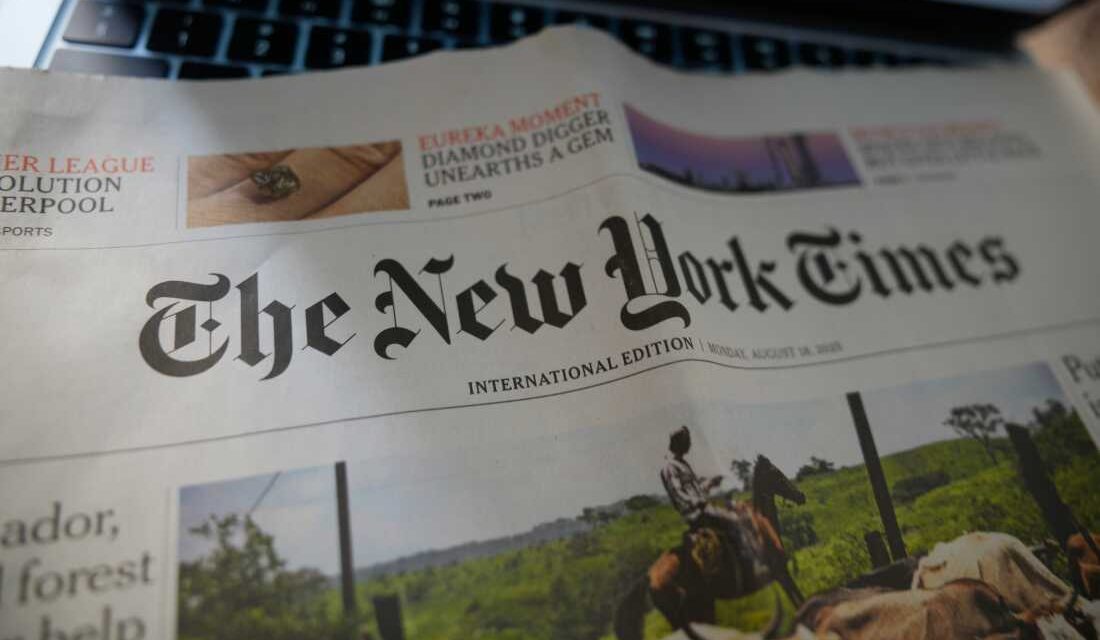
The Justice Department has decided to withdraw subpoenas demanding grand jury testimony and phone records from New York Times journalists. This decision follows intense questioning from U.S. District Court Judge Arun Subramanian, who challenged the legitimacy of the government’s approach.
David McGraw, attorney for the New York Times, praised the decision. He stated, It’s a great day for the First Amendment and a great day for the rule of law.
This move marks a victory for press rights, illustrating federal courts’ commitment to upholding journalist protections outlined by the First Amendment.
The subpoenas were issued on July 10, two days after the Times published stories highlighting security issues that led to the Secret Service intervening to prevent President Trump from flying home from Turkey on the new Air Force One jet. The government contended that the subpoenas were necessary for national security.
During the hearing, Judge Subramanian criticized the Trump administration for potentially violating journalists’ protections. He noted several instances of poor legal work and warned federal attorneys of possible sanctions for misleading the court. This highlights the administration’s aggressive stance on press rights and its broad interpretation of executive authority.
The judge firmly stated that the subpoenas would be nullified if not withdrawn. Faced with this, the Justice Department’s attorneys conceded. Sean Buckley, deputy U.S. attorney for the Southern District of New York, presented the case but declined to comment after the hearing. A Justice Department spokesperson criticized the ruling, arguing that it impedes a national security investigation.
Judge Subramanian s questioned the need to issue subpoenas so quickly after the publication of the articles. He pointed out the lack of legal precedent consideration before issuing subpoenas, referencing a case that set a precedent two decades ago involving The New York Times. Buckley responded by acknowledging the oversight.
Buckley claimed that the attorney general’s authorization overrides journalistic protections. The judge noted that asking another federal judge to prevent notifying journalists of the subpoenas was an unintended mistake. Buckley also apologized for subpoenaing the mothers of reporters and reporters’ spouses, citing errors in using public databases.
The issuance of subpoenas, initiated by FBI Director Kash Patel, appeared rushed with unclear alternative investigative routes available. Outside analysts and Trump himself expressed concerns over the security capacity of the new Air Force One aircraft.
In a related incident, FBI agents arrived at the home of Times reporter Julian E. Barnes while watching a movie with his family. Barnes’s wife, Katherine Marsh, described the episode as un-American.
In a text to NPR, Marsh stated, They should never have issued any of these subpoenas in the first place.
This statement underscores the sentiment that the subpoenas unjustly targeted journalists and their families.
 The Impact of Arts and Closure on Democracy
 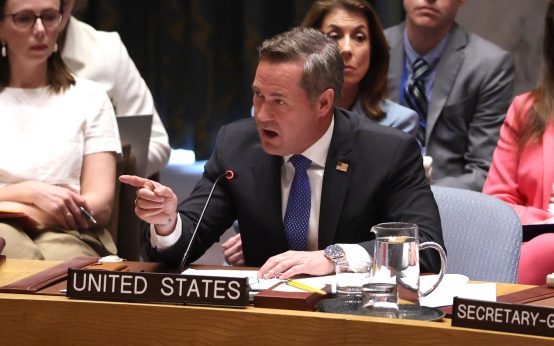 U.S. Ambassador Comments on Iran War Duration Amid Political Concerns
 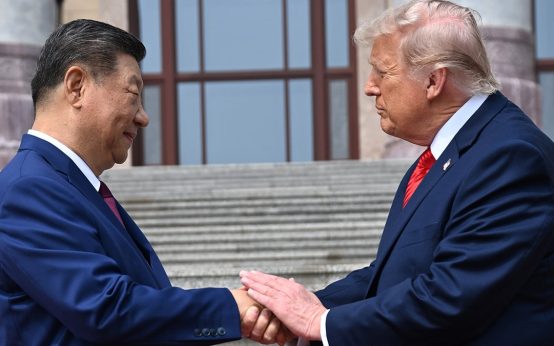 US-China Relations Under Scrutiny: Expert Warns of Escalating Tensions
  No Timeline for End of Iran Conflict
 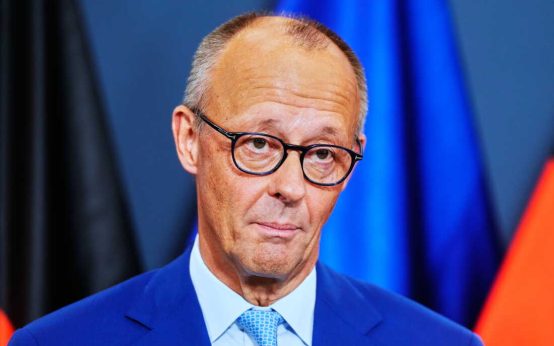 German Chancellor Merz Vows to Pursue Reforms Despite Election Setbacks
  The Technology Rivalry: Trump’s Meeting with Xi and the AI Ecosystem Clash