The U.S. Department of Justice is investigating the NFL’s exclusive streaming deals. This comes amid growing fan discontent over costly and fragmented game access. Federal Communications Commission (FCC) Chairman Brendan Carr questions whether the league should continue to have its special antitrust exemption. This exemption was originally provided by the 1961 Sports Broadcasting Act.
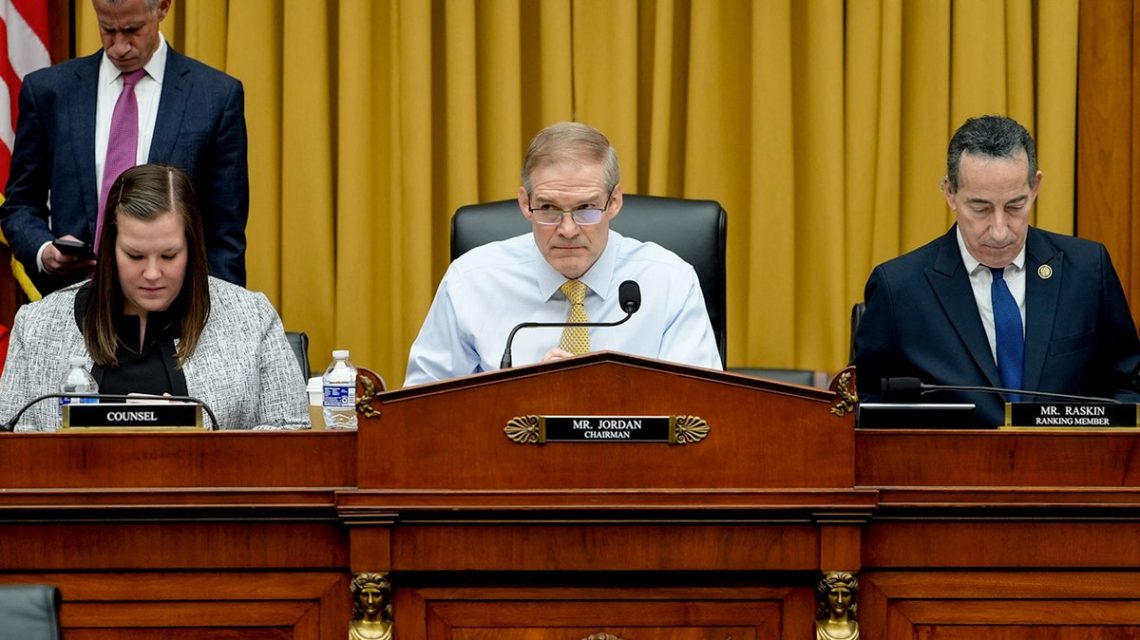
Jonathan Turley, a Fox News contributor, suggests Congress should examine the NFL’s monopoly structure. The league generates $25 billion annually, yet fans face increasing expenses. A report by the House Judiciary Committee and Chairman Jim Jordan criticizes the NFL. It argues that the league has strayed from the purpose of the 1961 Act, which was to make games available for free TV and support a struggling league.
The committee’s report highlights the NFL’s Sunday Ticket package. It cites a 2024 jury verdict that found the NFL violated antitrust laws, awarding plaintiffs over $4.796 billion. This verdict was later overturned by a judge, which the report contests.
“The Sports Broadcasting Act: A special-interest antitrust exemption gone awry.”
The committee argues that most Sunday Ticket subscribers are not avid fans but people wanting to watch one out-of-market team. ESPN proposed a lower-priced Sunday Ticket package of roughly $70 per season, which the NFL opposed. The league also rejected a proposal for a team-by-team purchase option, limiting consumer choice and keeping prices high.
Internal data shows that the NFL’s claim that Sunday Ticket is for avid fans is misleading. Instead, it allows fans to watch favorite teams, due to lack of other options. Recent investigations indicate the NFL’s television rights structure relies heavily on its antitrust exemption. The league asserts 87% of games are available on free TV, but this is refuted by the report.
The committee suggests the NFL could face legislative scrutiny and antitrust challenges. Changes may be necessary if Congress or courts intervene. If the antitrust exemption changes, individual teams may need to sell TV rights independently. This could disrupt the league’s revenue-sharing model and competitive balance, with more lucrative deals for some teams.
Continued scrutiny may pressure the NFL to adjust its media model. The league argues against such changes as its business model is at risk.
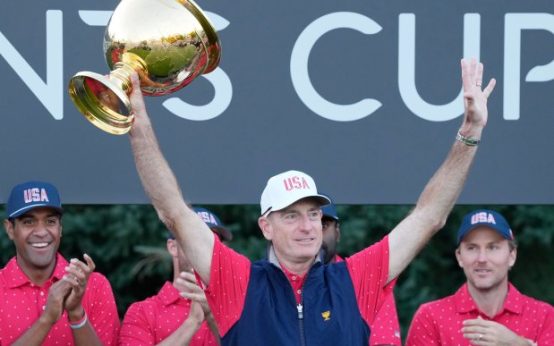 The 16th Presidents Cup Set to Tee Off at Medinah Country Club
 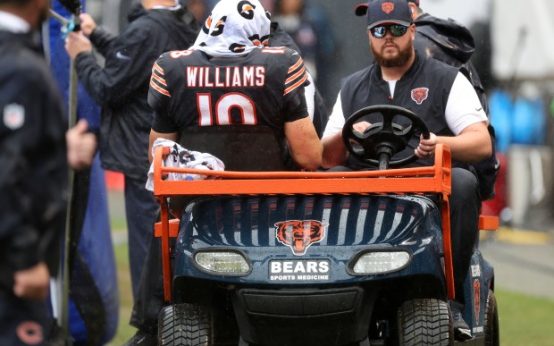 Caleb Williams Injured During Bears Game Against Vikings
 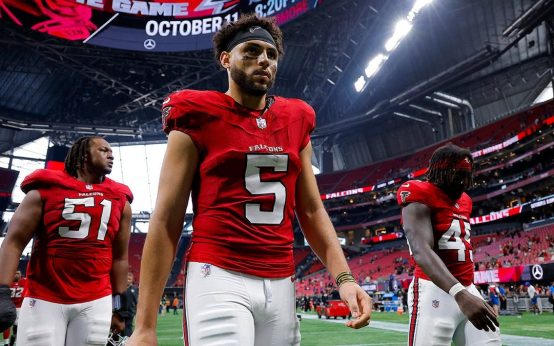 Drake London’s Heated Exchange with Fan During Falcons’ Loss
 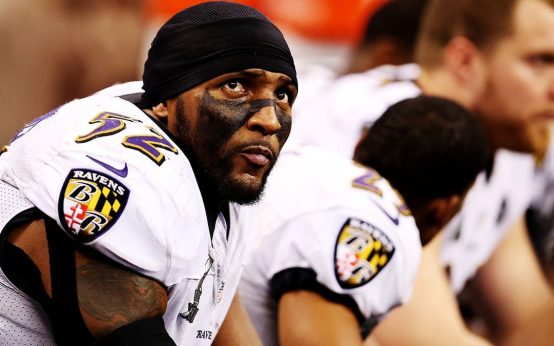 The Rise of Real American Freestyle (RAF) Wrestling
 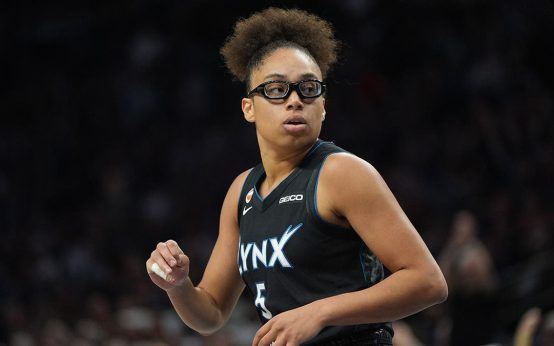 Olivia Miles Emerges as Star Player for Minnesota Lynx
 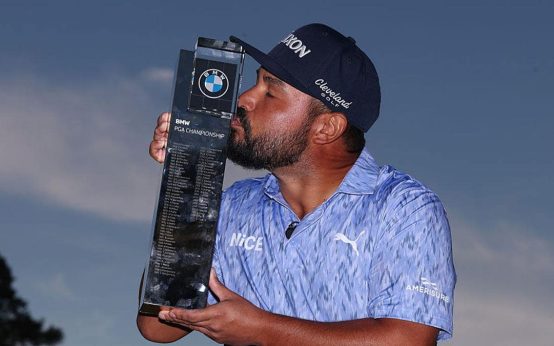 PGA Tour and DP World Tour Highlights: Spaun’s Redemption and Bridgeman’s Rising Star