
On Monday, the Justice Department and President Trump settled a lawsuit against the Internal Revenue Service and Treasury Department regarding the leak of the president’s tax returns. Acting Attorney General Todd Blanche announced the agreement, which includes creating a $1.7 billion ‘anti-weaponization fund.’ This fund is intended to address claims of individuals who feel they have experienced unjust legal actions.
The Fund’s Purpose and Management
The ‘Anti-Weaponization Fund’ aims to provide redress for those who believe they have been wrongly targeted by legal processes. Within 60 days, the Treasury will transfer $1.776 billion to the fund. A commission of five members, appointed by the attorney general, will oversee the fund. They will handle issuing apologies and financial compensation. The commission includes one member chosen in consultation with congressional leadership. The fund will stop processing claims on December 15, 2028, with any remaining money reverting to the federal government.
Eligibility and Distribution Questions
The Justice Department indicates that there are no partisan requirements for filing a claim. However, eligibility criteria remain vague. High-profile supporters of Mr. Trump might benefit. For example, former Trump adviser Michael Caputo has requested $2.7 million for issues related to the FBI’s investigation into Russian interference in the 2016 election. Other potential claimants include individuals involved in the January 6 Capitol events and former Trump administration officials.
Additionally, anti-abortion activist Mark Houck and right-wing activist Michael Flynn have reportedly settled or requested settlements with the Justice Department. Furthermore, Vice President JD Vance mentioned that individuals like Tina Peters, involved in unauthorized voting machine access, might seek compensation due to perceived unjust treatment.
Oversight and Ethical Concerns
Ethics experts express concern about the fund’s oversight. While Blanche or a future attorney general can audit its use, there is limited public oversight built into the process. The fund must provide a quarterly report detailing relief granted.
Richard Briffault, a Columbia University Law School professor, questioned the transparency of the fund’s process. He noted no clear public guidelines exist for how claims will be evaluated or decided.
Former Justice Department pardon attorney Liz Oyer voiced strong disapproval, describing the settlement as a legal system abuse. Concerns include the potential for the fund acting as a ‘slush fund’ for payouts without proving claims in court.
The Citizens for Responsibility and Ethics in Washington (CREW) also condemned the settlement as a significant act of self-dealing facilitated with taxpayer money. CREW president Donald K. Sherman criticized this move as potentially violating the Constitution’s Domestic Emoluments Clause.
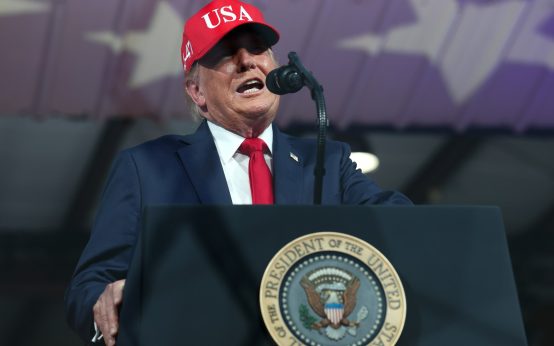 Gen Z Voters and Their Impact on the 2026 Midterm Elections
 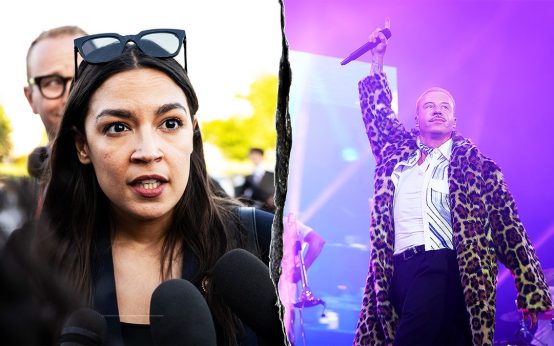 Rep. Alexandria Ocasio-Cortez Defends Macklemore Amid Tour Controversy
  Influence Concerns Surround California Political Donors
 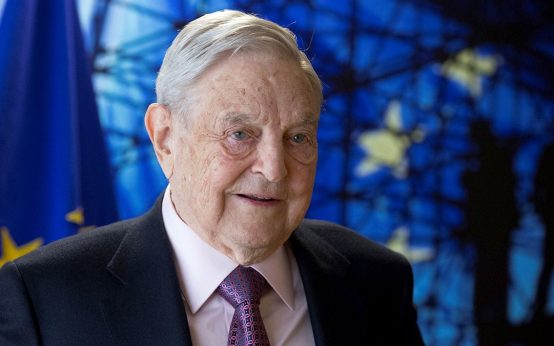 Michigan Senate Race Sees Influences from Soros-Linked Funding
 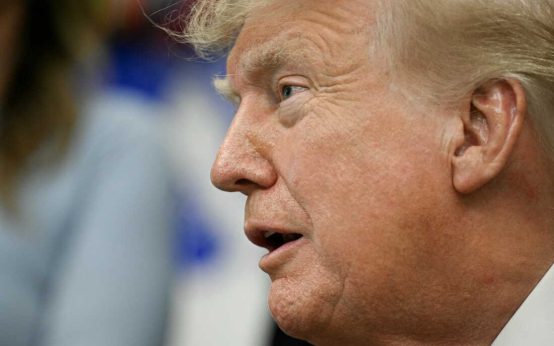 Trump Seeks Diplomatic Success at the U.N. Amid Challenges
 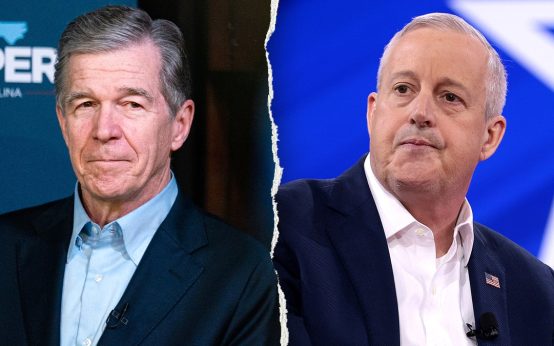 North Carolina Senate Race Influenced by Abortion Policy Messaging