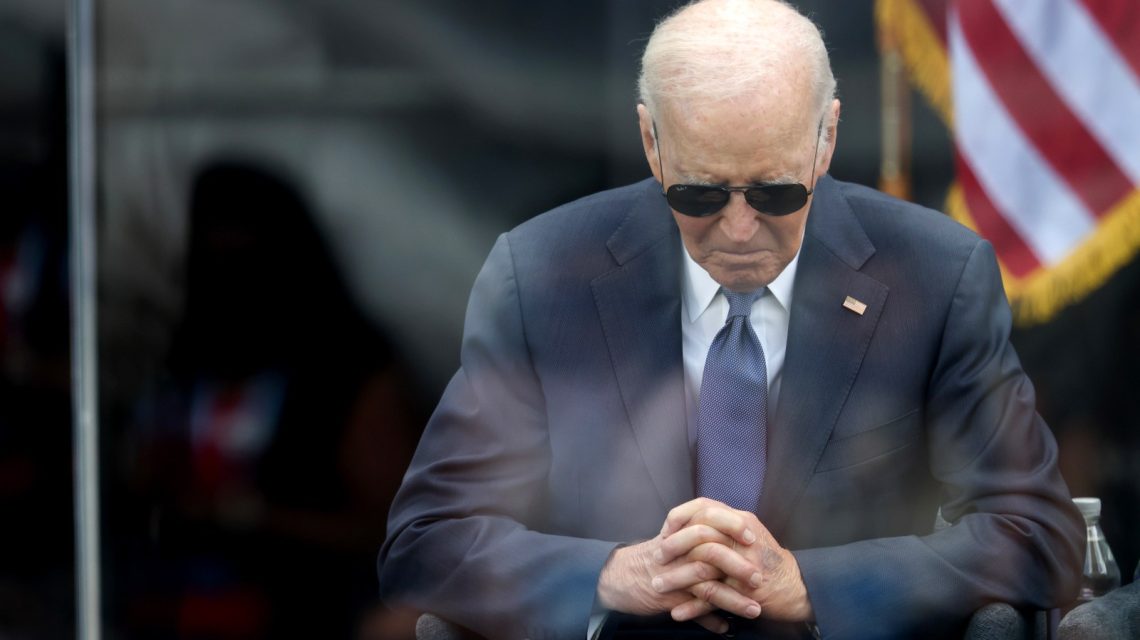
A federal judge has denied former President Joe Biden’s attempt to prevent the release of audio recordings and transcripts associated with an investigation into his handling of classified documents. U.S. District Judge Dabney L. Friedrich decided that the public’s right to access key evidence in the Department of Justice’s (DOJ) decision not to charge Biden outweighs privacy concerns. Although these materials involve private conversations with Biden’s ghostwriter for his 2017 memoir, they are considered essential for understanding the prosecutors’ actions in a major investigation.
The ruling allows the DOJ to provide the materials, with redactions, to The Heritage Foundation, a conservative think tank, and Congress. Both The Heritage Foundation and Biden’s office have been contacted for comments.
Background of the Case
The Heritage Foundation submitted a Freedom of Information Act (FOIA) request for documents used in Special Counsel Robert Hur’s investigation into Biden’s management of classified documents. Initially, the DOJ under Biden’s administration resisted releasing certain audio recordings and transcripts, citing FOIA privacy exemptions.
However, following the transition to Trump’s presidency, the DOJ approved their release, leading Biden to intervene as a private citizen. He argued that releasing these materials would breach privacy protections.
Why the Judge Rejected Biden’s Request
The case revolves around 70 hours of audio recordings from interviews conducted for Biden’s memoir, “Promise Me, Dad.” The focus is on the distinction between personal reflections and federal investigation records. Mike Howell, from Heritage’s Oversight Project, claimed the tapes could highlight issues regarding Biden’s fitness for office.
Biden’s lawyers argued for privacy, highlighting the personal nature of the discussions, which included sensitive topics like the death of his son, Beau. They insisted the DOJ must protect such private material from public release.
Biden’s spokesperson, TJ Ducklo, mentioned that Biden cooperated with the investigation and shared audiotapes under the condition of confidentiality. The DOJ maintained these tapes did not serve the public interest.
Judge Friedrich, appointed under Trump’s presidency, stated the planned redactions would adequately protect Biden’s privacy. Her ruling highlighted that the materials did not include highly sensitive topics or non-public individuals. The court emphasized the public’s interest in understanding the investigation’s limits was more significant than privacy concerns.
Next Steps in the Legal Process
Biden’s representatives have requested to delay the release of the recordings while they lodge an expedited appeal with the D.C. Circuit Court of Appeals. They may file for an emergency administrative stay to prevent the DOJ from distributing the files pending a review of the privacy issues.
If the D.C. Circuit decides not to intervene, it could set a precedent related to the handling of private communications in federal investigations under FOIA. As of now, the schedule remains uncertain. While Friedrich’s ruling advances the process for the DOJ to prepare the files for release, the subsequent appeal could delay the public availability of the tapes.
 Judge Criticizes Lawyers in Criminal Case Against SPLC
  Tensions Rise Between Democratic Moderates and Progressives
  Republican Candidates Compete for South Carolina Senate Seat
  Conservative Activists Aim to Shape Judicial Perspectives on Birthright Citizenship
  Understanding Contempt of Congress: Recent Case Involving Dr. Fauci
  Legal Experts Predict Trump’s Success in White House Ballroom Case