
Recent research reveals that individuals in consensually non-monogamous relationships generally experience less jealousy compared to those in monogamous relationships. However, both groups face similar stress when they feel less desirable than their partner. The study, published in Evolution and Human Behavior, examines the concept of mate value discrepancy (MVD), which measures the perceived gap in attractiveness, intelligence, or success between partners.
Understanding Mate Value Discrepancy
In monogamous relationships, feeling out of a partner’s league can lead to insecurity and tension. The research aimed to determine if consensually non-monogamous couples, such as those in polyamorous or open relationships, experienced similar patterns.
Study Overview
Researchers surveyed 512 individuals across 62 countries, including 312 in monogamous relationships and 200 in consensually non-monogamous ones. Participants evaluated their own relationship values and addressed challenges like jealousy and conflict. The team employed established psychological measures to assess mate value, mate guarding, conflict, and behavior for maintaining relationships.
Effects of Perceived Desirability
Both groups reported that feeling more replaceable than their primary partner led to more conflicts and rivalry with others of the same sex. This finding aligns with previous research on monogamous couples. A person who feels less desirable may view the relationship as vulnerable, leading to jealousy and possibly controlling behaviors.
In non-monogamous relationships, the dynamic shifts with secondary partners. Instead of insecurity, feeling more desirable than a secondary partner leads to more conflict and increased efforts to keep the partner, contrasting with dynamics involving primary partners.
Role of Communication and Hierarchies
Non-monogamous individuals reported less jealousy, along with decreased mate guarding and rivalry. Effective communication was key to reducing relationship issues across both groups. Discussing attraction and jealousy openly, along with celebrating a partner’s other relationships, improved dynamics. In contrast, ranking partners in a hierarchy often backfired, increasing jealousy, rivalry, resentment, and mate guarding.
The results challenge the belief that non-monogamy inherently eliminates jealousy. Individuals in non-monogamous relationships are not more susceptible or resilient to perceived mismatches in desirability than those in monogamous ones. Traditionally, relationship studies have focused on monogamy due to its cultural prevalence. These findings could assist counselors and educators in supporting diverse relationship structures more effectively.
 Lawsuits Claim Vision Loss Risk from GLP-1 Medications
 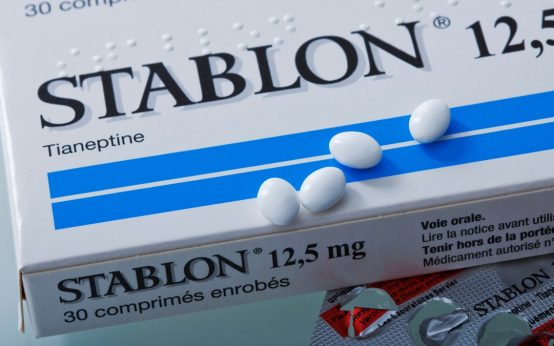 States Tighten Regulations on Tianeptine, Known as ‘Gas Station Heroin’
  Medicare Lab Test Payments: Upcoming Changes and Their Implications
  Gen Z Faces Economic Barriers to Dating and Intimacy
  Understanding and Preventing Suicide: A Public Health Priority
  Presley Gerber’s Death Highlights Concerns in Addiction Treatment Approaches