Japan’s parliament has revised the 19th-century Imperial House Law, reinforcing the policy that only men of paternal lineage can become emperor. This move has raised concerns about the future of the already diminishing imperial family.
Revisions to the Law
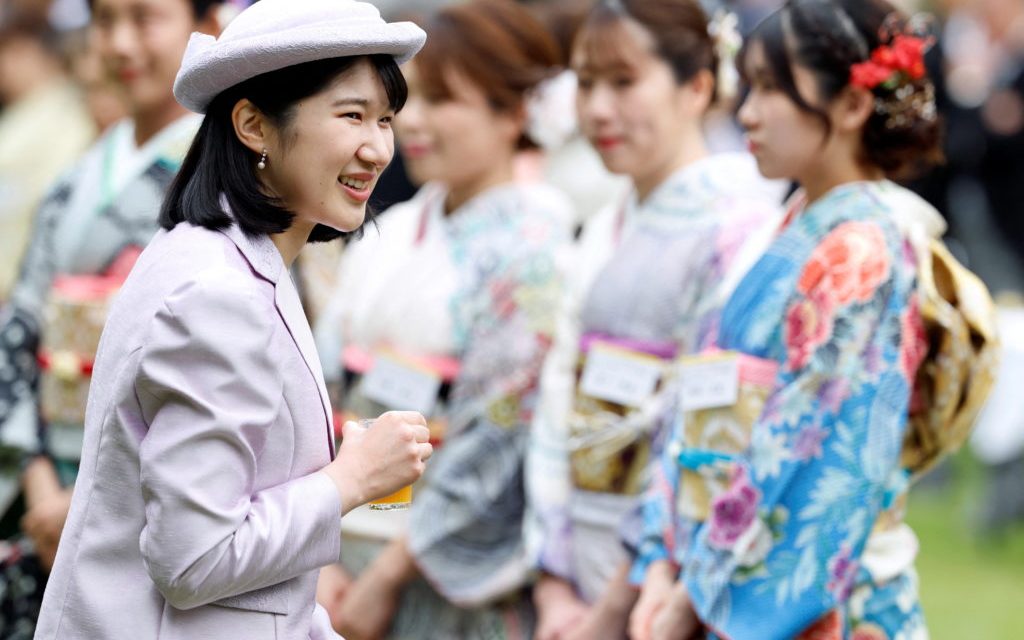
The changes allow the adoption of distant male relatives to secure future heirs. They also permit princesses to retain their royal titles after marrying commoners. Experts and royal observers worry that these measures might threaten the age-old hereditary institution by excluding women from succession. Emperor Naruhito’s daughter, Princess Aiko, is popular in Japan, yet she is ineligible to succeed because of her gender.
Current Succession Line
The current succession line includes Emperor Naruhito’s younger brother and his 19-year-old nephew, Prince Hisahito. After them, the emperor’s 90-year-old uncle is next in line. Hisahito is the first male born into the imperial family in four decades, emphasizing the male preference in succession. Out of the 16 adult imperial family members, only five are men.
Support for Male-Only Succession
Prime Minister Sanae Takaichi and other conservatives defend the male succession rule as the sole source of legitimacy for the emperor. Takaichi expressed strong support for the newly enacted measures. However, opposition points to the exclusion of women and calls it discriminatory. Notably, since the 1890 law, only male heirs have been included in the succession line. This practice continued even after the law was updated in 1947.
Controversy Surrounding Adoptions
The adoption of distant male relatives is a contentious part of the new measures. These unmarried male descendants from distant imperial branches must be over 15. Critics argue the government’s actions push male relatives into undesired roles, while others question why potential adoptees would outshine Princess Aiko in succession.
Princesses’ Royal Status
The revised law allows princesses to maintain their royal status if they marry commoners, though their spouses and children remain outside the royal family. This impacts Princess Aiko and her cousin Kako, among others. Aiko’s cousin, Mako, relinquished her royal status to marry a commoner and move to New York, highlighting the restrictive nature of imperial life.
Public Opinion and Historical Context
Public sentiment in Japan shows significant support for allowing female emperors, with historical precedence for women rulers. Former Emperor Akihito’s legacy of increasing the monarchy’s approachability aligns with modern public opinion favoring changes in succession rules to include women.
New Laws and Broader Implications
Japan’s government also enacted a law outlawing the desecration of its national flag. This move, supported by Prime Minister Takaichi, faces criticism as an attempt to suppress dissent. The law’s passage marks a significant moment in Japan’s political and cultural landscape.
 Ukraine Missile and Drone Barrage Hits Russia Amidst Elections
  A Mother’s Tragic Journey Under Abortion Ban
  U.S. Strategic Goals Remain Unmet Amid Prolonged Conflict
  New Photos Reveal Damage from Iranian Strikes in the Middle East
  Assassin of Chilean Diplomat Orlando Letelier Faces Deportation 50 Years After Assassination
  Gorillaz and Macklemore Respond to Controversy Over Israel-Palestine Statements