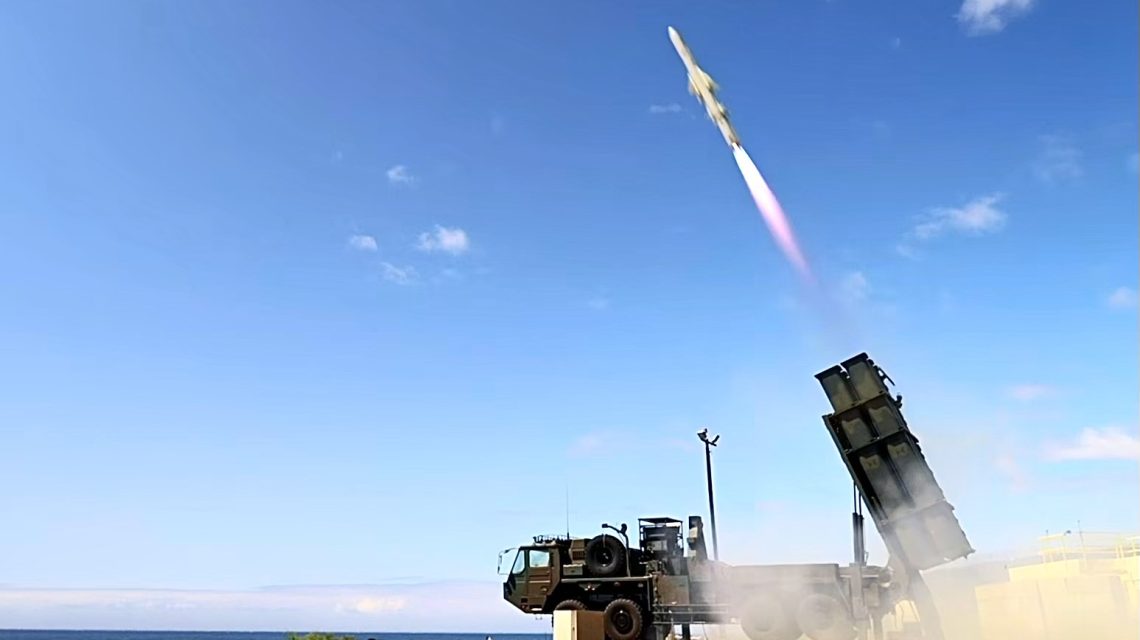
Rejection of Militarism Accusations
Japanese Defense Minister Shinjirō Koizumi contested Beijing’s allegations of a “new militarism.” He highlighted the reality that Japan lacks nuclear weapons and strategic bombers, which China possesses. This rebuttal comes amidst criticisms from China regarding Japan’s defense initiatives.
Defense Transparency and Diplomatic Openness
Koizumi emphasized Japan’s commitment to transparency in its defense efforts. He criticized China’s extensive military buildup and high defense spending due to its opacity. Despite these tensions, Koizumi assured that Japan is open to diplomatic discussions.
Strengthening Indo-Pacific Partnerships
Japan is actively strengthening security ties with Indo-Pacific countries, amidst diplomatic tensions with China. Recent actions include progressing with military equipment transfers to the Philippines, which shares concerns with Japan over China’s maritime activities.
Japan’s Evolving Defense Strategy
Koizumi addressed accusations during the Shangri-La Dialogue, a summit hosted by the International Institute for Strategic Studies. He clarified that Japan’s defense enhancements are not aimed at confrontation but are part of a broader security policy. These changes involve increased defense spending, joint exercises with the US and regional allies, and relaxed rules on arms exports.
Challenges from China and Historical Context
Koizumi responded to Chinese military official Major General Meng Xiangqing’s remarks, which linked Japan’s current actions to its wartime history. Koizumi contrasted Japan’s lack of nuclear arsenal with China’s significant military capabilities, challenging the “militarism” narrative.
“There is a country that has a huge arsenal of nuclear weapons and strategic bombers. Japan has neither of such weapons. And yet, Japan is labelled new militarism. Isn’t it strange?” – Shinjirō Koizumi
Japan’s commitment to its non-nuclear stance was reaffirmed through the principles established by former Prime Minister Eisaku Satō in 1967, which prohibit possession, production, and housing of nuclear weapons in Japan.
Fostering Diplomatic Channels
Koizumi emphasized the importance of dialogue and cooperation, expressing disappointment over the absence of a bilateral meeting with Chinese Defense Chief Dong Jun. Tokyo remains committed to open communication, highlighting its strategic partnerships in the Indo-Pacific region.
Comments on Japan’s Regional Strategy
Robert Ward, Japan Chair and Director of the IISS Geo-economics and Strategy Programme, observed Japan’s alignment with regional partners concerned about China’s military actions. This strategy complements the core US-Japan security alliance, showing Tokyo’s diplomatic adaptability.
 Understanding Congressional Pay and Reimbursements
 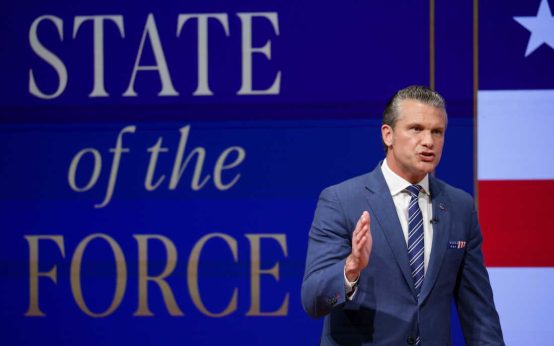 Pete Hegseth Delivers ‘State of the Force’ Address
  Trump Administration’s Controversial Ad Campaign on Banned Networks
  Trump Addresses Immigration Policy Pressures Amid Hispanic Heritage Month
  Indiana Gas Tax Holiday Offers Temporary Relief to Drivers
  The Evolving Role of the Secretary of Defense in the Trump Administration