In Jerusalem, news of an initial U.S.-Iran agreement sparked widespread anger across Israel’s political spectrum. Prime Minister Benjamin Netanyahu faced much of the criticism, with many deeming the deal a disaster for Israel.
Netanyahu stated at a news conference that regardless of the agreement, he would continue efforts to prevent Iran from obtaining nuclear weapons. Iran maintains that its nuclear program is for civilian purposes. Netanyahu emphasized that Israel played no part in the deal struck by the United States, standing firm against Iran’s desire for Israel’s withdrawal from Lebanon.
“Iran wanted us to withdraw from there, but that did not happen,” he said, crediting his firm stance for the outcome.
Despite his assertions, Israeli officials and commentators were quick to criticize the preliminary agreement. This response reflects mounting opposition to Netanyahu ahead of the fall elections and highlights his growing isolation both domestically and internationally.
Critics argue that Netanyahu misjudged U.S. President Donald Trump’s willingness for conflict with Iran and now finds Israel potentially sidelined. Ehud Barak, a former Prime Minister, criticized Netanyahu for weakening Israel’s position.
“Iran emerged stronger; Israel emerged weaker. That is Netanyahu’s strategic responsibility,” Barak said.
Yair Lapid, who challenges Netanyahu in upcoming elections, expressed concerns over the deal’s implications for Israel’s foreign and security policies, cautioning that changes are necessary but beyond Netanyahu’s ability.
Even without its direct involvement in the U.S.-Iran deal, Israel faces operational challenges in Lebanon. The deal may hamper Israeli military efforts, as Defense Minister Israel Katz has committed to maintaining troops in Lebanon.
Negotiations included Iran’s demand for a halt to Israeli hostilities in Lebanon, pushing Trump’s impatience with Israel’s actions in Beirut. Ultimately, Trump’s decision to end conflict with Iran may limit Israel’s options in Lebanon, affecting Netanyahu’s popularity.
“All Hezbollah has to do is get one rocket across into an Israeli town in northern Israel, and then the pressure on Netanyahu will ramp up,” former U.S. Ambassador to Israel Daniel Shapiro observed.
Some hawkish members within Netanyahu’s ruling coalition insist on continuing operations against Hezbollah, despite risking U.S. relations.
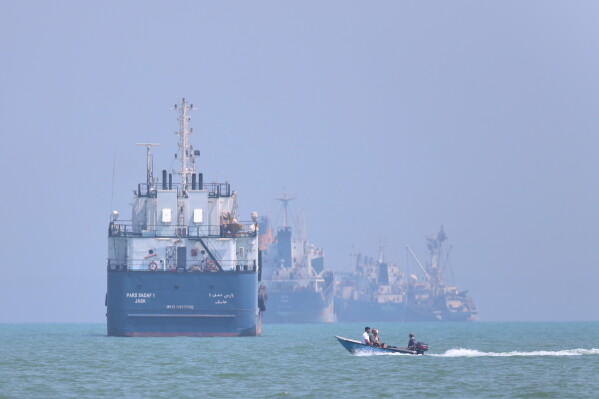
Despite initiating the war aimed at dismantling Iran’s nuclear ambitions, Israel finds itself stymied. Analysts suggest Iran has gained strength, retaining its proxy network and control over critical trade routes, like the Strait of Hormuz.
Concerns persist about the actual damage to Iran’s nuclear and missile programs. The deal’s sanctions relief could infuse Tehran with resources, invoking criticism from Israeli figures like Yair Golan, who argues it benefits the Iranian regime.
 Gen Z Voters and Their Impact on the 2026 Midterm Elections
  Don McCullin’s Final Book: A Pioneering War Photographer’s Legacy
  Rep. Alexandria Ocasio-Cortez Defends Macklemore Amid Tour Controversy
  Influence Concerns Surround California Political Donors
  Michigan Senate Race Sees Influences from Soros-Linked Funding
  Trump Seeks Diplomatic Success at the U.N. Amid Challenges