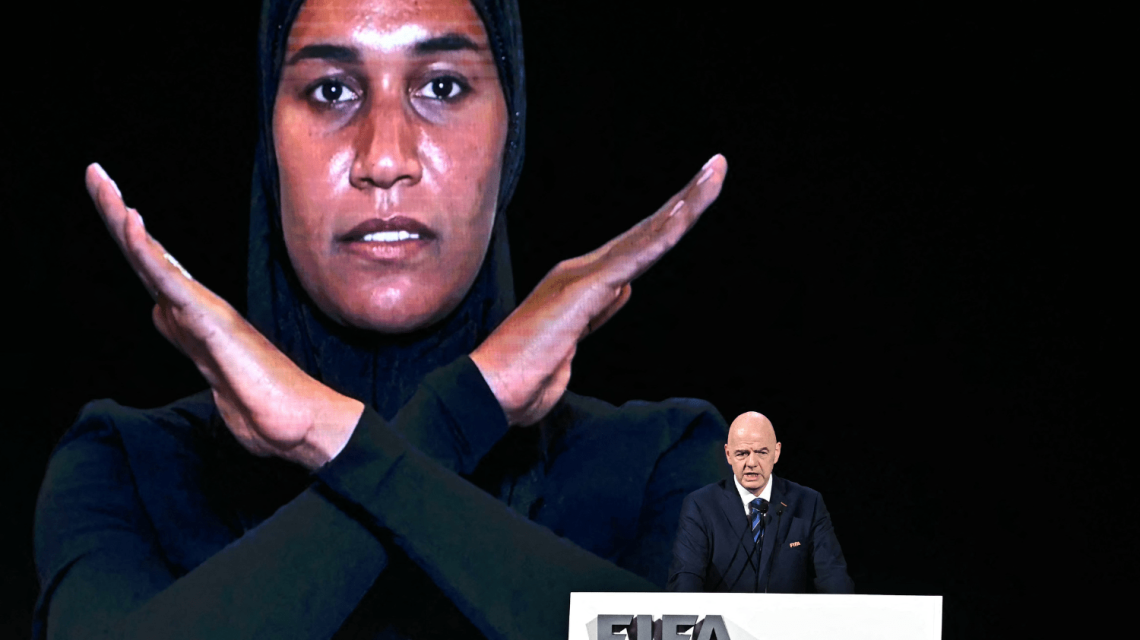
Players at the 2026 World Cup will have a new way to report racist abuse during matches by crossing their arms in an “X”. This gesture will immediately trigger FIFA’s anti-discrimination protocol, potentially halting the game.
The “No Racism” gesture debuted at the 2024 Under-20 Women’s World Cup in Colombia. Now, it’s part of all FIFA competitions. Soccer’s governing body aims to address persistent calls for quicker, more visible responses to racist incidents that have marred major tournaments.
This signal gives players, referees, and officials a standardized method to report discrimination and activate FIFA’s existing anti-racism procedures immediately during a match.
What Happens When a Player Makes the ‘X’ Gesture?
Under FIFA rules, players, referees, or officials can use the gesture when they witness racist or discriminatory behavior. Making the “X” prompts officials to start a three-step anti-discrimination protocol.
The first step is for the referee to stop play and demand a stadium announcement, warning that discriminatory behavior must cease. If this fails, players can leave the field, and the match may be suspended. If the situation doesn’t improve, the match can be abandoned entirely.
FIFA clarifies that the gesture is an addition, not a replacement, to the existing process, offering a clear and visible signal.
How Is This Different From Previous Approaches?
FIFA’s anti-discrimination procedures have been in place for years, often relying on referees to detect abuse or players reporting issues verbally during games.
The new signal aims to eliminate ambiguity. By giving players a unified gesture, FIFA hopes to identify incidents faster and handle them more consistently.
This change comes amid long-standing criticism from players and anti-racism advocates who have argued that previous actions were indecisive.
FIFA sees the gesture as part of a broader effort to enhance anti-racism enforcement ahead of the 2026 World Cup, which will occur in the United States, Canada, and Mexico.
The Racism Incidents Behind the Move
Racist abuse has plagued major international tournaments and high-profile matches in recent years.
A notable case occurred during a Euro 2020 qualifier between England and Bulgaria in 2019, where play halted twice due to racist chants targeting England players. The referee followed UEFA’s protocol, nearly abandoning the match.
At the 2022 men’s World Cup in Qatar, FIFA issued sanctions following discriminatory behavior, including offensive chants by supporters.
Abuse extends beyond stadiums. After the Euro 2020 final, England players Bukayo Saka, Marcus Rashford, and Jadon Sancho faced online racial abuse following their penalty shootout loss to Italy, prompting police investigations and condemnation.
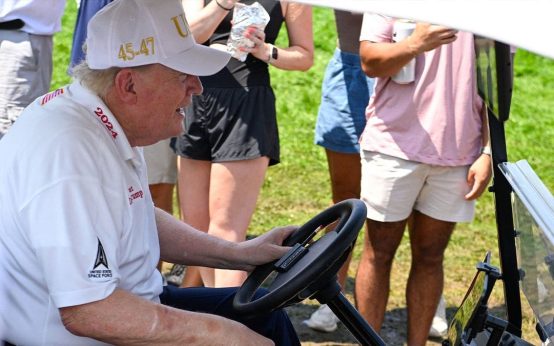 LIV Golf Event at Trump National Golf Club Bedminster
  Dorsey High Alumni Unite to Celebrate Athletic Legacy
 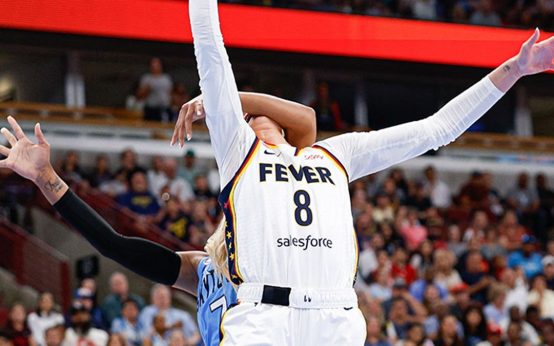 Controversy in WNBA: Caitlin Clark’s Popularity and Officiating Issues
 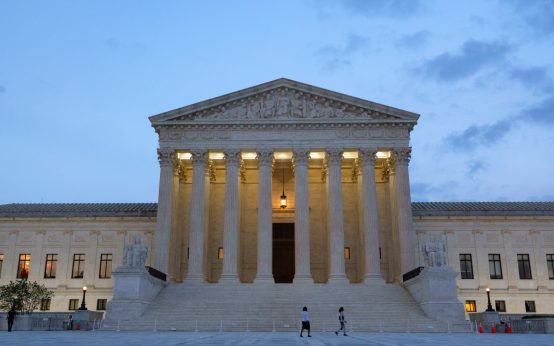 Conservative Activists Aim to Shape Judicial Perspectives on Birthright Citizenship
  WNBA Discusses Transgender Athlete Participation
  Incident in Fever vs. Sky Game Highlights Tensions