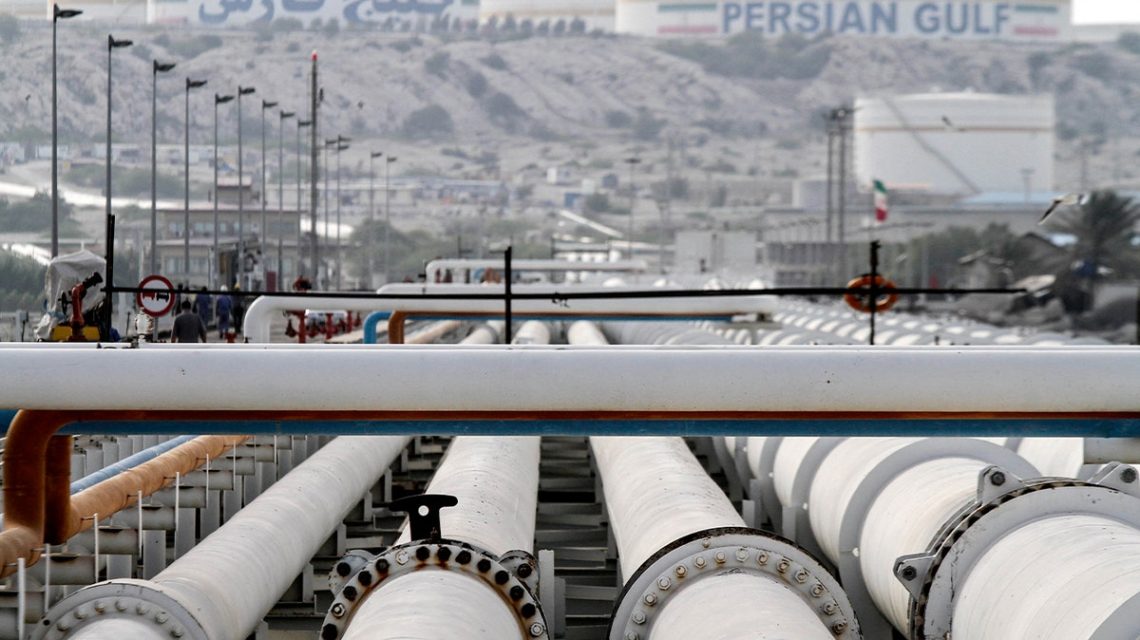
Iran is approaching a financial crossroads due to a U.S. naval blockade that threatens its seaborne crude oil revenues. The effects may impact ordinary citizens more than the targeted military sectors.
Current Oil Inventory and Revenue Impact
Iran’s accessible seaborne oil has diminished to zero as reported by Kpler, an energy intelligence firm. Tehran’s oil income could cease by mid-December, impacting revenue as payments are finalized. However, military funding is not expected to face an immediate crisis. Tehran may prioritize military spending while reducing civilian expenses, leading to inflationary pressures and alternative revenue usage.
“Iran will have little left to trade within weeks,” says energy strategist.
The blockade could strip Iran of a major cash source without promptly affecting military operations. Oil represents about 30% of the government budget. Predictions for exports were about 1.7 million barrels per day at $54 each, though actual figures were lower. Nevertheless, higher prices offered some financial relief.
Domestic Economic Challenges
Despite challenges, Iran’s immediate financial state is about cash flow disruptions rather than a collapse. Inflation and a weakening currency have absorbed some economic strain, ensuring government salaries and preventing shortages. The loss of roughly 30% of budget revenue forces tough decisions. Options include spending cuts, increased borrowing, or larger deficits, possibly affecting societal programs like subsidies and pensions.
Gregory Brew, an analyst, notes likely reduced government spending in the coming year with borrowing filling budget gaps, contributing to inflation.
Military Spending Remains a Priority
Military expenditure may remain intact or potentially increase. Investments include rebuilding facilities and military infrastructure. The armed forces tie directly to oil trade, with the U.S. Treasury stating an allocation of 200,000 barrels daily to the military.
Military organizations sell allocated oil, financing equipment and operations, such as those supporting groups like Hezbollah. Sanction-evasion and smuggling provide the IRGC with financial streams outside state budgets.
Revenue Streams and Alternatives
Iran’s previous floating storage of 135 million barrels provided a temporary support. The U.S. blockade has likely denied Iran at least $25 billion in oil income since its implementation. Payments for already delivered oil create a delay in revenue loss realization.
Though large-scale seaborne exports face challenges, smaller quantities may still transit by land or across the Caspian Sea. Refined and petrochemical products continue using non-seaborne routes, maintaining partial income.
An eventual agreement with Washington might reverse current constraints on oil exports. Without relief from the blockade, financial pressure may build, leading into next year.
Future Economic Pressures
March will prove pivotal as Iran enters its new fiscal year amidst lower oil revenues. Public unrest may follow spending cuts. Options to relax financial stress without burdening citizens remain uncertain as the government updates budget policies.
 Kim Jong Un Visits China, Strengthens DPRK-China Relations
 Elon Musk Defends Starlink Amid Ukraine Restrictions
 Gunmen Attack Church in Jordan, Resulting in Fatalities and Injuries
 Marco Rubio and U.S. Government Push for Change in Cuba
 French Government Deploys Security Forces for Protests
 U.S. Intensifies Efforts Against Latin American Drug Cartels