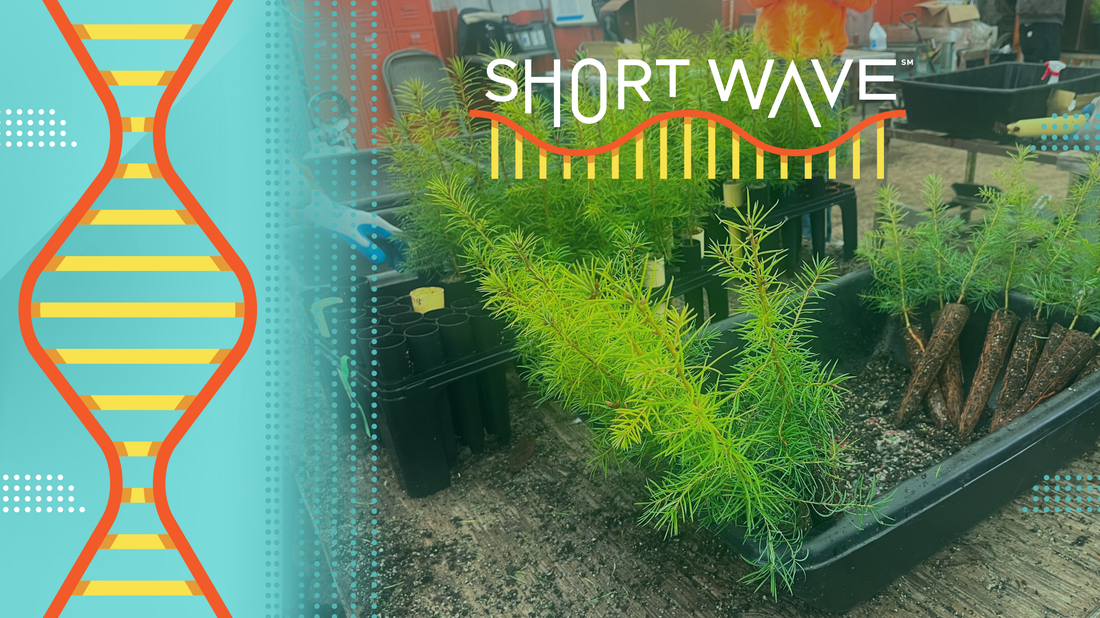
Douglas Fir Seedlings at Dorena Genetic Resource Center
The U.S. Forest Service’s Dorena Genetic Resource Center in Oregon houses Douglas fir seedlings as part of a research project aimed at developing climate-resilient forests.
Importance of Forests
Forests play a vital role in sustaining life on Earth. They absorb carbon dioxide, produce oxygen, regulate temperature, and manage rainwater to prevent flooding. Additionally, forests are essential habitats for a vast array of plant and animal species. They also influence weather patterns.
Challenges Faced by Forests
Various factors threaten forests, such as land conversion for agriculture, road construction, timber harvesting, and increasing wildfires. These issues endanger the trees that make up our forests, highlighting the need for reforestation, the process of planting new forests to replace the lost ones.
USFS’s Role in Reforestation
For the past century, the United States Forest Service has been involved in reforesting efforts and managing existing forests. With climate change posing ongoing threats, scientists advocate developing new strategies to ensure forest survival.
Local Planting Strategies
Traditionally, tree scientists have planted seeds from the same locations they were found to ensure the seeds were adapted to local conditions, as explained by Lisa Winn, a former silviculturist. However, changing climate conditions now prompt questions about whether local seeds remain suitable.
For instance, seedlings may encounter altered moisture levels, unprecedented heatwaves, or severe droughts, marking a future that is unpredictable and potentially perilous.
ENAMES: Predicting the Forest’s Future
The Experimental Network for Assisted Migration and Establishment Silviculture (ENAMES) project uses the Seedlot Selection Tool by USFS to predict future climate scenarios at various forest locations. Researchers use established models to forecast conditions such as temperature, precipitation, and season duration, assessing which seeds might thrive under these conditions.
Foresters plant a mix of seeds reflecting historic, current, and future climate conditions. Tree species include incense cedar, Jeffrey pine, Ponderosa pine, sugar pine, and western larch, with planting sites spread across Oregon and Washington.
“You’re generally moving it from a climate that it was historically adapted to, that it evolved under, and then you’re moving it to a climate that you think is going to exist in the future at a given location,”
– Rob Slesak, USFS researcher and ENAMES lead.
Project Future and Historical Context
ENAMES remains in early stages, but Rob Slesak is optimistic about its progress. USFS has managed similar projects, such as the Douglas-fir Heredity Study, since 1912. Many of those trees remain standing today, suggesting promising longevity for ENAMES trees well into the next century.
For more information, listen to Short Wave on Spotify and Apple Podcasts or subscribe to Short Wave+ for sponsor-free episodes at plus.npr.org/shortwave.
This episode was produced by Jessica Yung, edited by Rebecca Ramirez, with fact-checking by Tyler Jones, and audio engineering by Jimmy Keeley.
 Potential Impact of Tropical Storm Polo on Southern California
  Communities Continuing Recovery from Hurricane Helene Explored through Graphic Novel
 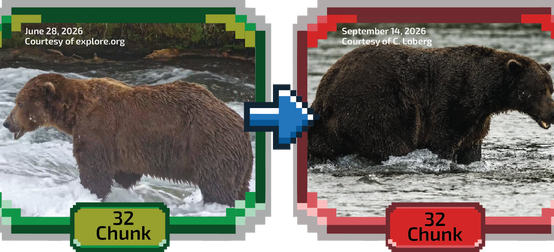 Fat Bear Week 2026 Highlights: Meet the Competitors
 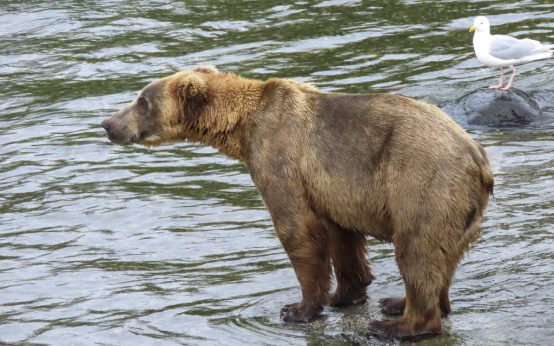 Annual Fat Bear Week Begins at Katmai National Park
  Understanding Hurricane Development
  California Prepares for El Niño-Fueled Storms with Emergency Declaration