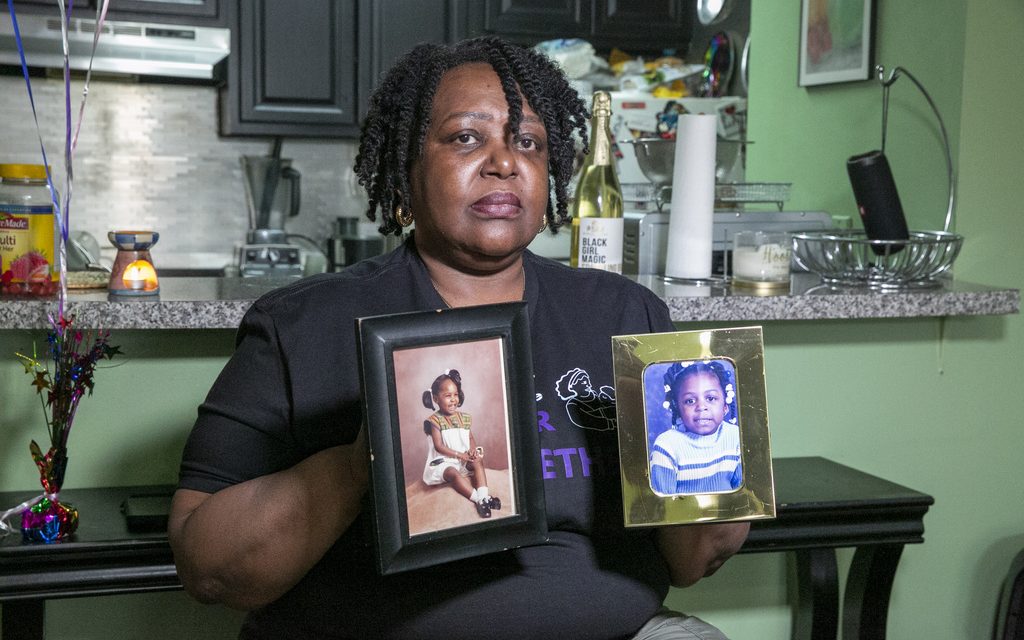
Joyce McMillan displays photos of her children at her Harlem home in New York City. Two decades ago, child protective services removed her daughters due to a detected substance in her system.
For years, federal child welfare policies have developed with outdated views on governmental roles in family struggles. Programs were created, and resources allocated, but funding structures have locked them in place. Over time, data has challenged these established practices, highlighting flaws in the child welfare financing system.
Every year, Child Protective Services investigates over 2 million American families. In 84% of cases, no abuse or neglect is confirmed. Despite this, around 175,000 children enter foster care yearly, even though evidence shows the intervention often causes harm. There’s no proven link between foster care entries and child maltreatment fatalities.
Nate Bustamente experienced family separation firsthand. He entered foster care as a child, and later faced a child welfare case as a parent. Despite efforts to fulfill the imposed requirements, the threat of losing his children loomed. After a second removal, the state aimed to terminate parental rights. With the support of his attorney and a family-time supervisor, Bustamente’s case was heard in court. Ultimately, the judge denied the termination, allowing the family to remain together. Bustamente feels relieved, but notes how many families endure a similar ordeal under a stringent system.
United Family Advocates, a bipartisan coalition of child welfare experts, has shared a framework addressing how federal child welfare financing often makes separation an easier option than it should be. Federal policymakers are now assessing if current funding truly supports child safety and family stability.
The existing funding structure functions as a $10 billion program inclined towards family separation. States require flexibility to invest in community services like housing, food, mental health, and substance use support. These investments should offer resources without needing system entry. Legal representation should also be available to ensure families undergo fair processes in significant decisions about their children.
Policymakers face debates on allocating resources between crisis response systems and preventive infrastructures that help families avoid crises. Bustamente believes community support could have altered his life. He questions how many families need to undergo unnecessary separation and stress. The call is to alter a system built on separation and create a supportive foundation before crises happen.
Joanna Lack serves as the executive director of United Family Advocates.
 EPA Contract Cancellation Sparks Legal Battle
  Press Secretary Criticizes El-Sayed Amid Michigan Senate Race Polls
 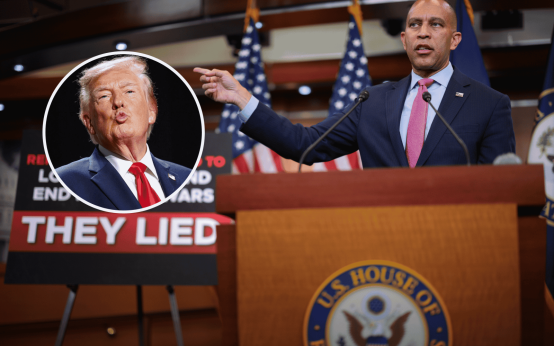 Democrats Weigh Impeachment Strategy Ahead of Midterms
  DSA Influence on State Legislative Elections and Its Impact on the Democratic Party
 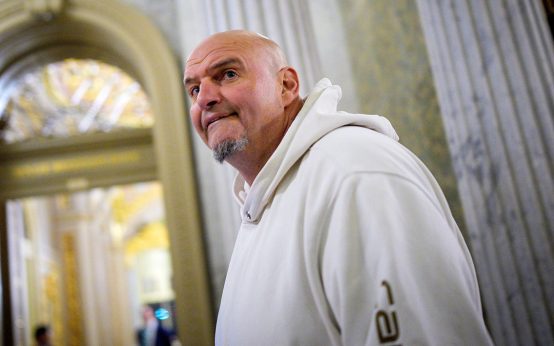 Senator John Fetterman’s Allegiance Raises Speculation
 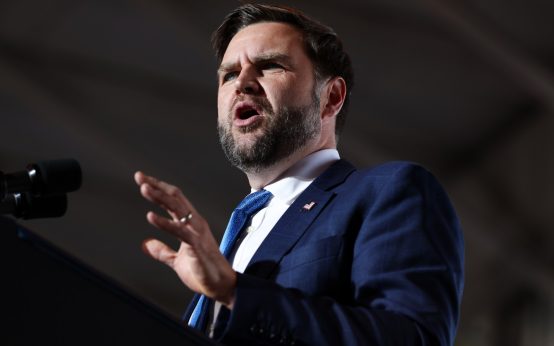 Ohio Midterms Heat Up: Vance Attacks Democrats as Key Races Tighten