More than 400 workers face uncertainty due to the temporary closure of a manufacturing plant in Canada. The American paperboard manufacturer RYAM announced the shutdown of its facility in Témiscaming, Quebec, blaming U.S. tariffs. The plant will cease operations on September 15, affecting 425 employees.
The decision is a result of growing tariffs, making operations economically unviable.
A spokesperson for RYAM emphasized the unsustainable business environment. Despite efforts to adapt, the tariff impact remains overwhelming.
Témiscaming Mayor Alain Gauthier described the tariffs as a ‘nuclear bomb’ to sectors dependent on U.S. markets, equating the situation to an ‘economic war.’
The Trade Tensions Unfold
Trade ties between the U.S. and Canada have worsened as recent negotiations for a new trade deal collapsed. On August 22, the Trump administration imposed significant tariffs on Canadian goods, totaling $27.6 billion. Targeted items include agricultural goods, manufactured products, and consumer goods.
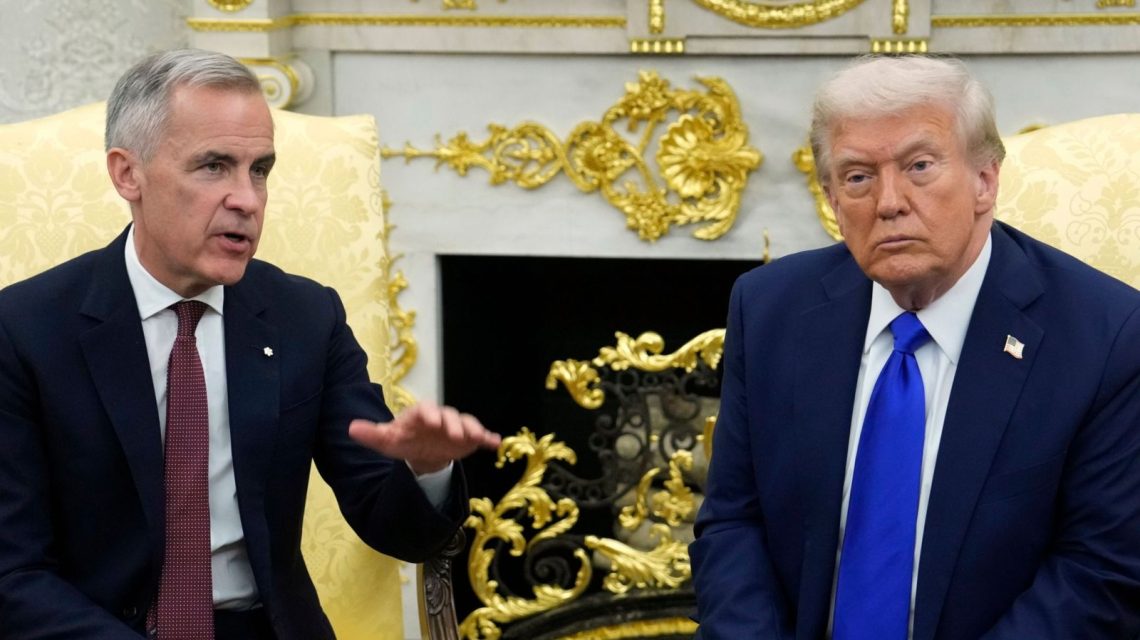
Prime Minister Mark Carney paused negotiations in response, announcing Canada’s plans to match U.S. tariffs dollar for dollar.
Trade War Developments
The conflict intensified after President Donald Trump’s return to the White House in January 2025. The U.S. administration cited discriminatory treatment of American exports by Canada as the reason for new tariffs.
U.S. Trade Representative Jamieson Greer accused Canada of limiting American alcohol imports, giving dairy priority to the European Union, and restricting U.S. vehicle exports.
Canada is accused of retaliation against U.S. trade efforts to protect sensitive national industries.
The White House attributes the breakdown in negotiations to Canada’s stances, while offering market access and tariff reductions.
Canada’s Response
Canadian Prime Minister Carney expressed readiness to strip tariffs on U.S.-produced steel, aluminum, and automobiles if duties were reduced substantially. However, he found Washington’s terms disadvantageous.
Starting September 8, Canada applied tariffs on U.S. imports, covering steel, dairy products, and electronics, among others. The Canadian government introduced a $7.5 billion support package for affected workers and businesses.
Carney acknowledged the impact of retaliatory tariffs on Canadian consumers and businesses but stressed necessity under current conditions.
Political Context
The trade dispute has coincided with political tensions between the U.S. and Canada. President Trump has previously proposed that Canada join the U.S. as its 51st state, an idea rejected by former Prime Minister Justin Trudeau.
Recent actions, like renaming Lake Ontario to Lake America, have elicited strong reactions from Canada.
Canada will not revert to past bilateral relations, Carney affirms.
 Ukraine Missile and Drone Barrage Hits Russia Amidst Elections
  U.S. Strategic Goals Remain Unmet Amid Prolonged Conflict
  New Photos Reveal Damage from Iranian Strikes in the Middle East
  Assassin of Chilean Diplomat Orlando Letelier Faces Deportation 50 Years After Assassination
  Gorillaz and Macklemore Respond to Controversy Over Israel-Palestine Statements
  Investigation into Lion Deaths in Tanzania