
Wayne Smith, a farmer and rancher on the Blackfeet Reservation in Montana, faces increasing challenges due to recent trade tariffs. On a frustrating July day, Smith’s attempts to bale hay were thwarted by equipment failures. His baler broke, and his tractor needed a pointed metal fitting, crucial for operation, that was hard to find due to tariffs.
Smith’s situation reflects broader financial struggles on the reservation. Ranchers, taxi drivers, and campsite owners have suffered financial losses for two years, and the new trade war exacerbates their concerns. Smith’s go-to shop in Canada for parts is now less accessible due to tariffs, which resulted in higher costs for equipment and fewer sales to Canadian customers.
In early 2025, President Donald Trump enacted 25 percent tariffs on steel and aluminum imported from Canada, citing reasons such as illegal drug flow across the northern border and trade imbalances. Although some tariffs were repealed later, key taxes remain. Recently, Trump announced additional 50 percent tariffs on various Canadian goods, leading to an equal response from Canada.
The escalating tariffs standoff complicates trade conditions for Blackfeet residents, 30 percent of whom live below the poverty line. Many members depend on businesses dealing in cross-border trade and tourism.
Additionally, fellow farmer Jonathan St. Goddard faced higher costs for a tractor wheel from Canada. Tourism businesses like the RV and tent campsite managed by Jackie and Steve Conway witness falling reservations. Meanwhile, the Mountain Chiefs consider closing their cab service due to diminished international visitor bookings.
A lawsuit filed by Smith, St. Goddard, the Conways, and the Mountain Chiefs against the tariffs claimed they violated tribal rights. The lawsuit was dismissed due to jurisdiction issues, leaving the community without judicial relief.
Among other issues, the tariffs are financially detrimental, as additional charges now apply to parts bought in Canada. Smith’s Canadian grain buyers reduced their orders because of retaliatory tariffs imposed by Canada.
The White House defends the tariffs as necessary for correcting longstanding trade imbalances. Despite setbacks, Smith and others attempted to cope while taking legal action for justice. As Smith plants the field, resolute in facing challenging circumstances, White House spokesman Kush Desai asserts the tariffs promote prosperity across all American communities, including Native ones.
Despite judicial roadblocks, individuals like State Sen. Susan Webber continued advocating for Blackfeet rights. Though lawsuits offer limited impact, community members conclude that standing up mattered. Wayne Smith found support when his neighbor Randy Haynes, a former Trump supporter, offered a crucial tractor part.
In their daily lives, the Blackfeet remain tenacious and hopeful while resisting adverse effects. Smith’s discovery of Haynes’s disavowal of Trump suggested a small victory amidst challenging times. Although the trade war aggravates financial strain, dialogues between neighbors provide meaningful solace.
 Teen Arrested in Penn State Student’s Murder; Second Suspect at Large
  Carnival Panorama Passenger Jumped Overboard During Final Leg of Cruise
  Nikole Hannah-Jones Reflects on Educational Choices for Her Daughter
 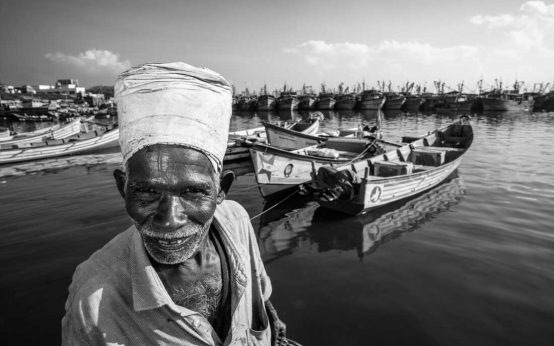 Life and Challenges at Chennai’s Kasimedu Fishing Harbour
  Chicago Bears Eye Potential Move to Indiana: A Look at the Developments
  Amazon Offers Discounts to Employees at Whole Foods