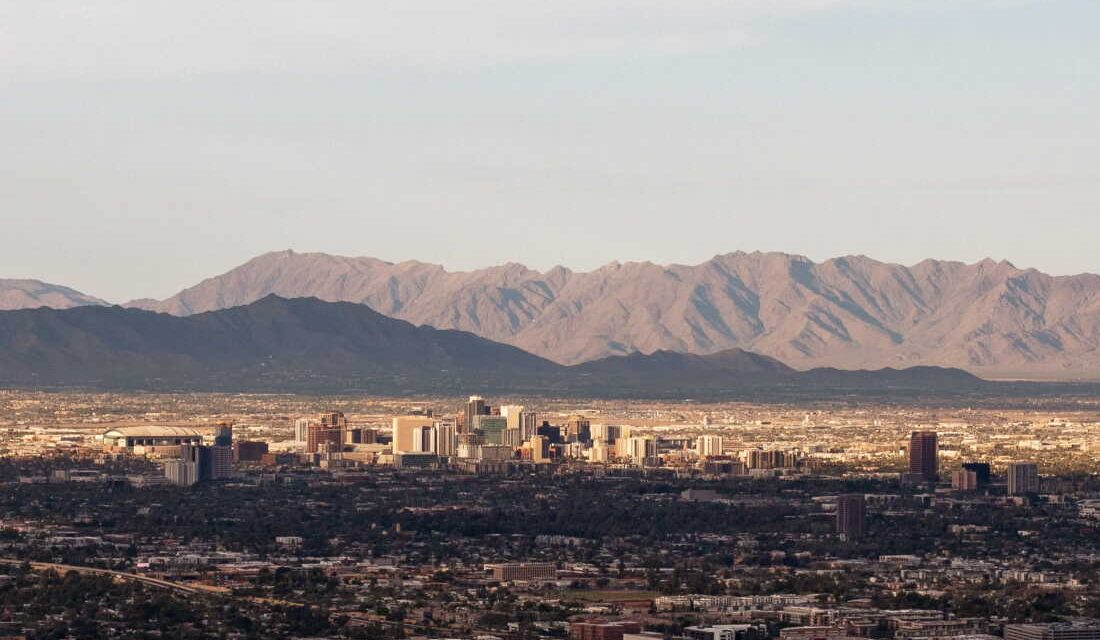
Arizona sits at the center of the nation’s heat crisis. Annually, heat claims the lives of hundreds in the state. Manufactured homes are often the most vulnerable. An NPR investigation reveals a troubling trend: official records grossly miscalculate the death toll from heat across the U.S., estimating thousands die yearly.
Mobile home residents face heightened risks. Research has only recently begun addressing this reality. Patricia Solis from Arizona State University discovered patterns in heat-related deaths while utilizing geographic mapping techniques. Her aim was to understand who faced the highest risks and why.
Mapping Vulnerabilities
In 2018, fresh at Arizona State University, Solis was tasked with tackling the heat-related mortality issue. She coordinated a team of researchers and officials to analyze heat-related death patterns. They discovered significant clusters around mobile home parks, indicating a high risk. In Maricopa County, mobile home residents were found six to eight times more likely to die from heat-related causes.
Heat Risks in Mobile Homes
Manufactured homes pose specific dangers due to construction quality and demographics. Many are in poor condition, with inadequate insulation and outdated wiring, making cooling a challenge. Conditions in mobile homes like thinner walls and leaky windows contribute to high temperatures.
The Human Impact
Instances like that of Sheri Petty highlight the dire consequences. Petty, a Tucson resident, suffered heatstroke after her cooling systems failed during a heatwave. Her tragic story is emblematic of the broader struggle and shows how critical it is to ensure effective solutions for cooling.
Economic and Structural Challenges
Common issues include prohibitive electric bills, opaque billing practices, and challenging home ownership models. Many mobile home residents cannot secure traditional mortgages, hindering improvements and repair efforts. The presence of private equity firms owning land adds another layer of complexity.
Local Efforts and Solutions
Awareness in Arizona is growing. Efforts to allow residents to make modifications such as shade sails and energy upgrades are underway. Tucson and Pima County offer support programs to assist residents financially, though these are often under-resourced.
Education and outreach are vital. Initiatives aimed at spreading awareness about heat risks and resources are currently limited in scale. Experts stress the importance of addressing indoor heat management to save lives.
In the fight against heat, significant action is essential. Scaling up existing programs and fostering a deeper understanding of the indoor climate’s importance can lead to vital protections for vulnerable populations.
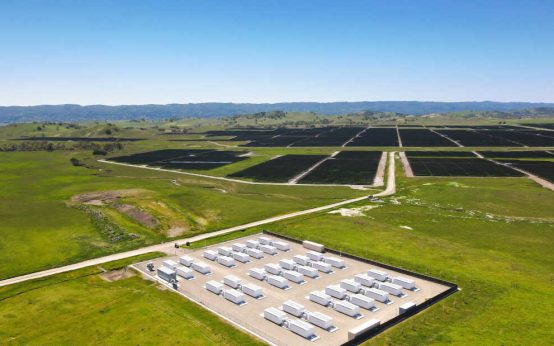 How Battery Innovations Transform Renewable Energy
  Data Centers Stir Controversy in Texas Amid Growth Boom
 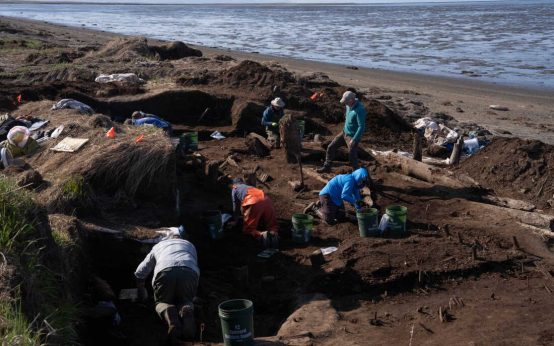 Urgent Archaeological Efforts in Quinhagak Stay Ahead of Erosion
 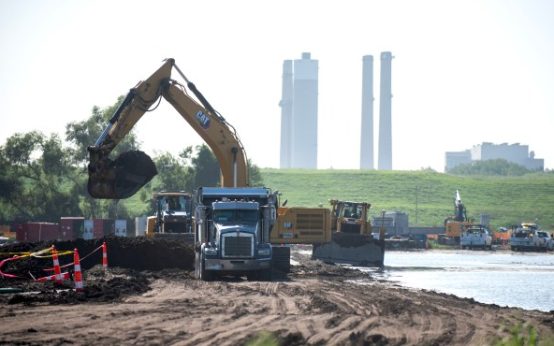 Concerns Rise Over NIPSCO Permit In Jasper County
  Reader Reactions on Grizzlies and Data Centers
  Managing the Crisis of Drying Rivers