Angel Leal Jr., an immigration attorney, expresses frustration over the drastic changes in his life following identity theft. His name, image, and voice have been manipulated using artificial intelligence to deceive immigrants. These scammers exploit fears within the Hispanic community to prey on those seeking to regularize their status.
Leal is disturbed by the widespread impact, not only on him but also on his community. The fraud extends to fake contracts using his firm’s logo and fabricated immigration hearings. Such elaborate deceit concerns both Leal and federal authorities.
The Federal Trade Commission reported over 1 million identity theft scams in the U.S. last year, resulting in losses exceeding $3.5 billion. This sharp increase highlights the growing sophistication and frequency of these frauds.
Widespread Immigration Frauds
The Transactional Records Access Clearinghouse at Syracuse University shows that over 3.3 million immigration cases were pending as of February. The demand for legal services significantly surpasses the limited supply of genuine immigration lawyers. Only 32.8% of immigrants had legal representation during deportation proceedings, according to TRAC.
Many immigrants, fearful due to previous immigration policies, are desperate to secure their status. This desperation makes them easy targets for fraudsters using AI and social media.
Attorney Leal describes how scammers manipulate his online presence to promise quick citizenship and residency without due process. These scams typically begin on social media, lure victims via private messaging, and culminate in fraudulent transactions.
Protecting Against Fraud
Leal has taken significant measures to combat these scams. He closed his firm’s WhatsApp channels to prevent further damage. Despite these efforts, he had to employ a company to identify and report fake profiles.
The financial and emotional toll on Leal is substantial. His firm dedicates time and resources to assist victims of fraud who mistakenly contact them, detracting from their ability to serve genuine clients.
Broader Implications for Attorneys
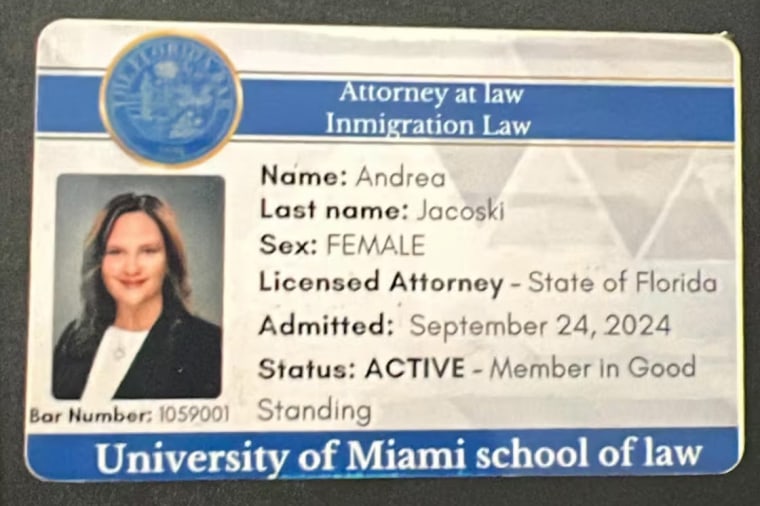
Attorney Andrea Jacoski encountered similar identity theft. She was involved unknowingly in fraudulent schemes using her credentials. The scams extended to others in the legal community, posing considerable challenges.
Jacoski worried about the potential misuse of her bar number across different states given immigration law’s federal nature. She alerted authorities and received support from organizations like the ABA.
A Threat to Institutions
The American Bar Association itself faced similar fraudulent activities. Scammers exploited the ABA’s name to promise immigration services for fees, often via dubious platforms like Zelle or wire transfer.
The ABA adjusted its strategies to counteract these scams, emphasizing the seriousness of the financial and emotional distress caused to victims.
Cases of impersonation also affected individuals like Eric Barragán Ramírez from Catholic Charities. Scammers mimicked his identity on fraudulent websites, targeting accredited representatives.
Long-term Impact on Victims
Experts agree that financial loss, while significant, is not the most critical issue. Mistakes, like missed hearings or improperly filed documents, could lead to deportation or permanent barriers to legal status.
Simpson of ABA highlights the broader implications: “It’s more than money. It’s about time, potential freedom, and the risk of deportation.”
Many victims, due to precarious immigration statuses, hesitate to report scams. This vulnerability fuels the persistence and growth of such fraudulent activities.
Action Against Fraud
While federal agencies work to combat these scams, legal professionals like Leal continue to advocate for victims. He urges the public to verify sources vigilantly and protect themselves from these sophisticated scams.