Bennie Currie’s Vision for Hyde Park
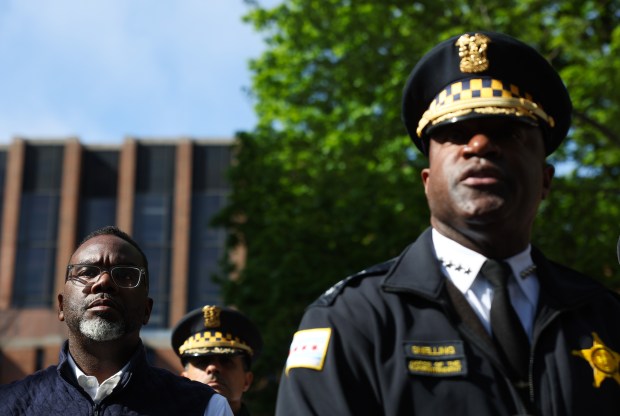
Bennie Currie, a longtime Hyde Park resident, envisions his neighborhood as a welcoming place for young people. Concerned with recent teen meetups advertised online that can lead to violence, he participated in a counter-gathering to prevent chaos. In this effort, Currie and others aimed to provide a positive presence, demonstrating community care rather than claiming control.
Citywide Considerations
Numerous Chicagoans, including Mayor Brandon Johnson and police Superintendent Larry Snelling, are strategizing to address these meetups. These ‘teen trends’ have increased since the COVID-19 pandemic, often occurring in affluent neighborhoods. Beyond addressing the meetups, Chicago seeks to reduce crime through familiar initiatives, such as summer job programs, and by focusing on emerging crime types, like the rise in vehicle theft.
Community Safety Leadership Changes
Chicago is experiencing personnel changes as summer begins. The city’s public safety team and police department are adjusting, with Chief of Patrol Jon Hein retiring. Emmanuel Andre, recently appointed deputy mayor for community safety, stresses creative responses to meetups over arrest-focused approaches.
Meetup and Violence Prevention Efforts
Counters to potential violence ramped up over Memorial Day weekend, the unofficial start of summer. Between Friday evening and Monday afternoon, 26 shootings occurred, including two handled as death investigations. A mass gathering resulted in injuries to police officers on the Near West Side.
Andre emphasized the need for innovative solutions during neighborhood discussions, advocating for strategies to prevent meetups without relying solely on arrests. Superintendent Snelling, addressing the City Club, differentiated typical youth gatherings from chaotic meetups. He advocates for holding teens accountable publicly and by parents.
Mayor Johnson aims to address underlying factors of crime by offering safe spaces and investing in youth. Programs like Chicago Youth Works provide jobs for youth aged 14-24, supported by Family and Support Services with 29,000 opportunities this summer. The ‘My Chi. My Future. Safe Spaces for Youth’ program supports monthly youth-led events.
Preventative Actions by Community Members
Bennie Currie continues his community engagement efforts, rallying nearby parents and adults as goodwill greeters to deter misguided activities. Currie’s organization, CollaBOOration, advocates for non-punitive community involvement.
Before a planned ‘trend’ meetup, Currie mobilized a group, encouraging teens to engage in positive activities and avoid dangers. Currie prefers calling these community interventions ‘convergences’ rather than ‘takeovers.’
In Hyde Park, Currie and other adults followed teens, aiming to engage them positively. Reports of teens patronizing local businesses showed success. Currie intensified preparations for this summer, holding meetings to maintain vigilance against violence.
Julie Less, a Hyde Park resident since the 1970s, emphasizes the importance of entertainment for kids to prevent violence. Less, affiliated with The Blue Gargoyle youth center, cites a decline in third spaces as a key driver of adolescent unrest.
Safety efforts need to cater to older kids, particularly when many youth programs target younger children. Less advocates for positive engagement rather than increased police presence.
Challenges Facing Violence Prevention
While violent crime rates are lower than post-pandemic levels, funding challenges persist. Expired COVID-era funding and federal clawbacks impact community intervention programs, affecting employment and resources.
The highest visibility meetups aren’t the sole concern; violence in less prominent areas remains a challenge. Beat 1114 in the Harrison district sees the most frequent shootings in Chicago, although numbers have decreased from last year.
South Shore residents express fears over meetups in less visible areas beyond Hyde Park. Concerns also include long response times to package theft reports.
Deputy Mayor Andre promotes a collective approach, ensuring resources match needs. He reassures residents they aren’t overlooked amid broader safety concerns.
Continued Community Commitment
Organizations, led by figures such as Samuel Castro from the Institute for Nonviolence, persist with efforts, particularly in Chicago’s West Side. Additional days and extended hours for ‘peacekeepers’ and outreach workers strengthen local ties.
David Kelly from Precious Blood Ministry of Reconciliation provides spaces and events to engage youth positively. Community involvement is vital, with fear of young people warranting constructive engagement.
Kelly emphasizes the importance of community presence and familiarity to reduce youth violence, advocating for quality engagement over isolation.
 Tourists Rescued from Oregon’s Lost Boy Beach
  Potential Impact of Tropical Storm Polo on Southern California
 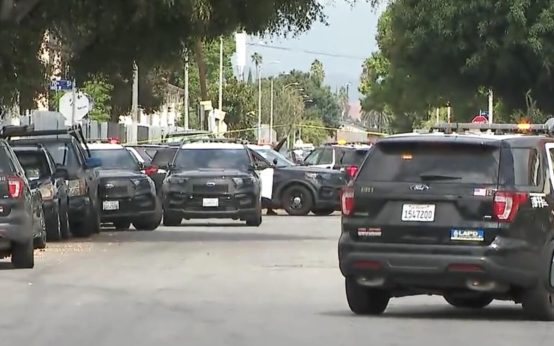 Shooting Incident at South Los Angeles Senior Assisted Living Facility
  Legal Challenges in Pursuing a Wrongful Death Claim Against Utah Valley University
 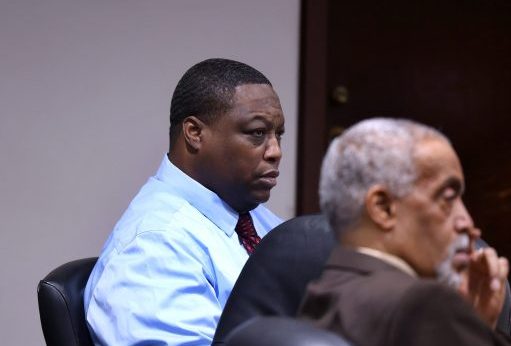 Man Arrested After Fatal Stabbing on Chicago’s South Side
 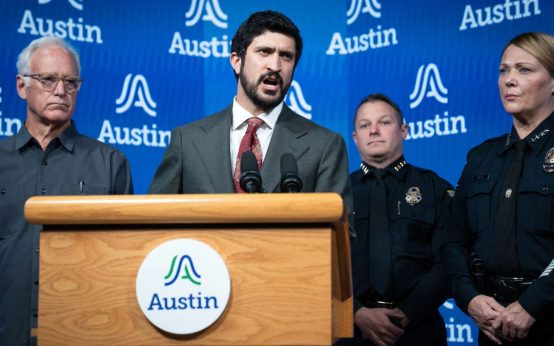 Debate Over ICE Action in Austin Escalates