House Democrats are preparing to launch extensive investigations into the Trump administration if they secure a majority in the upcoming midterm elections. Analysts, like Marc Thiessen, believe these congressional inquiries could profoundly impact the political climate in Washington.
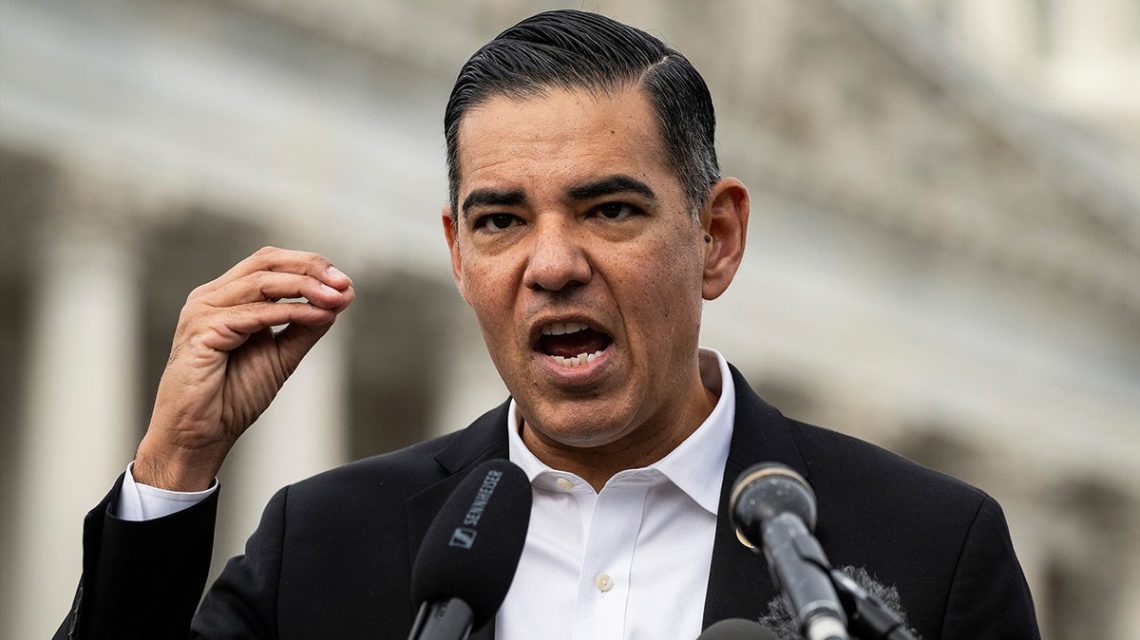
Following significant victories in the midterms, Democrats quickly signaled their intentions to scrutinize the Trump administration. Congressman Robert Garcia, a notable Democrat from California, emphasized the readiness to deploy subpoenas and conduct investigations. Senator Ron Wyden of Oregon echoed this sentiment with a simple one-word post: ‘Subpoenas.’
As election results were reported, the prospects for Republicans and President Donald Trump became increasingly challenging. Representative Delia Ramirez from Illinois expressed eagerness to summon key Trump administration figures, including officials like Noem and Miller, for questioning.
President Trump’s influence in Washington faced challenges after the midterms. Nearly all House Republicans voted to press the Justice Department into releasing files related to Jeffrey Epstein, highlighting the scrutiny of Epstein’s connections to Trump.
The new Congress is expected to focus heavily on investigations once sessions commence in January. Democrats have prepared to use subpoena powers to investigate the Trump administration after spending two years in the minority with limited influence.
Robert Garcia, set to chair the House Oversight Committee, vows to investigate Trump’s business operations, immigration policies, corporate integrity, and the handling of the Epstein files. Garcia mentioned ongoing preparations, indicating that Democrats have been laying groundwork for months.
The investigations will likely extend beyond the Oversight Committee. Democrats on the House Judiciary and Homeland Security committees have been scrutinizing immigration enforcement and other Trump-era policies. The new majority in the Senate may also pursue similar investigations.
War Secretary Pete Hegseth might face particular examination. Democrats had previously proposed impeachment articles against him, accusing him of unauthorized military actions and obstruction. House Minority Leader Hakeem Jeffries has been vocal about pushing for Hegseth’s removal.
Representative Thomas Massie, a Republican, plans to initiate a vote on his own resolution to impeach Hegseth during the lame-duck session, accusing him of violating the War Powers Resolution and other military misconduct.
Congressional committees have formidable powers, including subpoenaing officials and citizens to testify under oath and provide records. Committee chairs can issue demands independently, utilizing this authority within House rules.
Ignoring a subpoena can result in contempt proceedings. Although executive branch officials may claim privilege, compelling compliance might involve protracted legal challenges. Steve Bannon and Peter Navarro, former Trump advisors, were both found guilty of contempt of Congress for defying subpoenas, resulting in prison sentences.
Congressional contempt decisions can be referred to the Justice Department for potential prosecution, posing challenges when seeking information from executive branch officials.
 Mississippi State Auditor Shad White Announces Gubernatorial Bid
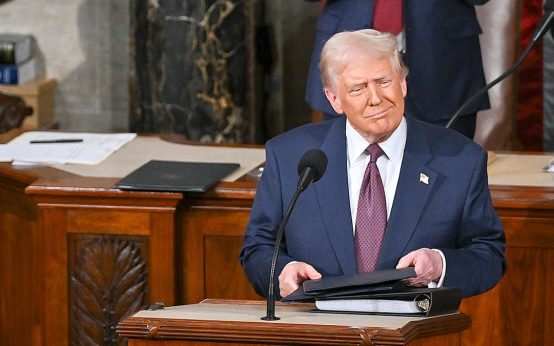 Trump Dismisses Third Impeachment Prospects
 Custody Dispute Involving Rep. Max Miller Delayed
 Attorney General Addresses Post-Midterm Democratic Threats
 Senator Elizabeth Warren and the Future of Crypto Regulation
 Bipartisan Opportunities in Foreign Policy