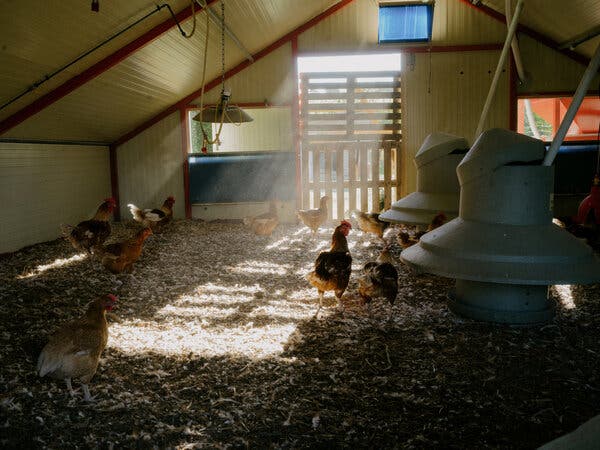
In June, France experienced its hottest period on record, resulting in catastrophic conditions for poultry. On June 23, 1,500 chickens died in a matter of hours at a farm in Laubrières, an area in northwestern France. The birds were due for slaughter in 19 days, but extreme temperatures affected their survival.
Isabelle Renaudier, who manages the family farm, described the heartbreaking scene. The family raises chickens for supermarkets, butchers, and rotisseries. These birds, like many others, struggled to cope with the heat.
Chickens are particularly sensitive to heat. Their inability to sweat, combined with feather coverage, makes them vulnerable. When temperatures soar, chickens pant to cool down; however, this can lead to dehydration and energy loss. Broiler chickens, bred for rapid growth and reaching full size in just five weeks, suffer even more. Their high metabolism creates additional heat, making them even less suited to endure rising temperatures.
Slow-growing chickens that roam outdoors also face risks. Yet, large-scale industry-developed broiler chickens represent a broader challenge. These birds, designed for lean and affordable meat, struggle in increasingly hot climates.
Farmers are considering changes to adapt to these conditions. Sylvia Goisbault, another farmer in the region, plans to adjust her schedule next year. She seeks to avoid having birds ready for slaughter during the summer months.
 EPA Dismantles Greenhouse Gas Rules, Causing Concern
  How Battery Innovations Transform Renewable Energy
  Data Centers Stir Controversy in Texas Amid Growth Boom
  Urgent Archaeological Efforts in Quinhagak Stay Ahead of Erosion
 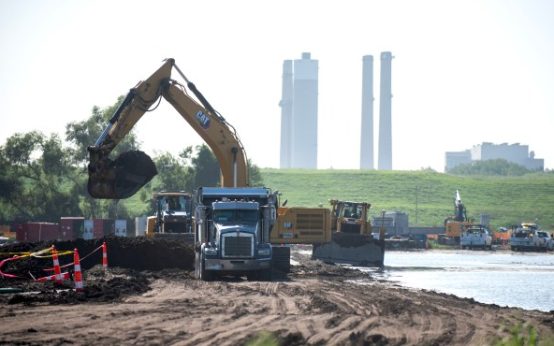 Concerns Rise Over NIPSCO Permit In Jasper County
  Reader Reactions on Grizzlies and Data Centers